Shocking Films That Faced Global Bans Revealed
From graphic horror to religious satire, some films have been deemed too extreme for public viewing. This countdown reveals shocking movies that faced bans worldwide, sparking debates on censorship and artistic freedom.

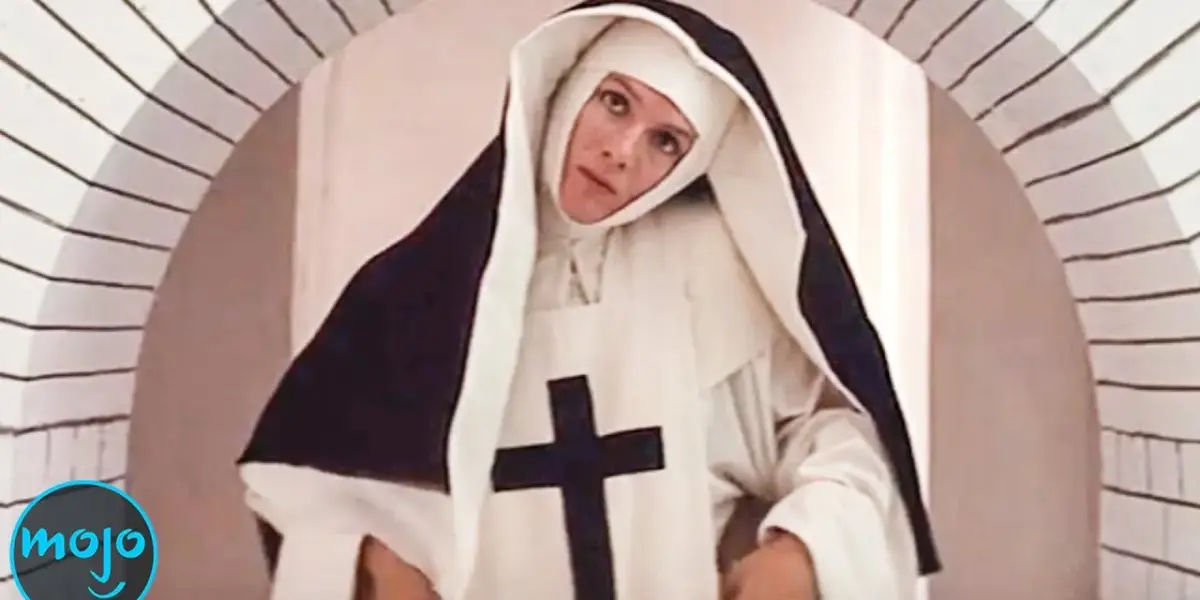
Films Too Extreme to Show: A Look Back at Banned Movies
Some movies push boundaries, and others shatter them. A new video from WatchMojo dives into films so controversial they were banned in countries around the world. These aren’t just forgotten flicks; they’re cinematic lightning rods that sparked outrage and censorship.
The Devils (1971)
Ken Russell’s cult classic, The Devils, remains legendary for its shocking blend of religion and sexuality. The uncut version is a rare find for collectors.
The film faced bans and endless edits since its 1971 release, tackling themes of corruption and seduction. Its powerful imagery and daring subject matter made it a target for censors worldwide.
The New York Ripper (1982)
Italian director Lucio Fulci, known as the ‘Godfather of Gore,’ delivered a brutal vision with The New York Ripper. This 1982 film mixed police drama with slasher horror, set against a bleak 1980s New York.
It was banned in the UK until 2002 due to its graphic violence and unflinching look at crime. The killer’s bizarre duck-like quack adds to its unsettling nature.
Caligula (1979)
Starring Malcolm McDowell and Helen Mirren, Caligula was a controversial co-production involving Italian director Tinto Brass and Penthouse magazine. It combined arthouse sensibilities with explicit adult content.
Authorities confiscated copies upon its release in Italy. Today, some see it as a misunderstood masterpiece, but back then, its adult themes caused a major stir.
I Spit on Your Grave (1978)
The original I Spit on Your Grave from 1978 is infamous for its graphic content. Despite its shocking scenes, many now view it as a powerful feminist statement against sexual violence. The film’s explicit nature led to bans globally, but it also launched Camille Keaton to cult stardom and became a key film in the revenge genre.
Sweet Movie (1974)
Dušan Makavejev’s Sweet Movie is an absurdist comedy that comments on commercialism and politics. It broke many rules of good taste, featuring explicit bodily fluids and disturbing imagery.
Lead actress Carole Laure was so offended she left the project. The film was banned and seized in countries like the UK for its boundary-pushing content.
Deep Throat (1972)
During the ‘porno chic’ era, Deep Throat was a cultural phenomenon. It was banned across the United States despite huge audience demand.
Unlike simpler adult films, it had a narrative and aimed for cinematic quality. This mob-connected venture faced legal issues but also helped open doors for adult film’s brief legitimacy.
The Texas Chainsaw Massacre (1974)
Tobe Hooper’s horror masterpiece, The Texas Chainsaw Massacre, is known more for its terrifying atmosphere than explicit gore. However, its raw intensity led to bans in many countries. The film’s reputation often preceded it, with many questioning if censors even watched the movie before banning it.
Faces of Death (1978)
Faces of Death became a rite of passage for many horror fans in the 1980s. Marketed with the tagline ‘banned in 46 countries,’ this exploitation film blended staged death scenes with real news footage. It blurred the lines between reality and fiction, creating a legendary, albeit disturbing, viewing experience.
The Last House on the Left (1972)
Wes Craven’s early work, The Last House on the Left, was labeled a ‘video nasty’ in the UK during the 1980s. This rough exploitation and revenge film was unavailable in uncut form for decades, existing mainly on the black market. Its graphic depiction of violence and sleaze makes it a challenging watch even today.
A Clockwork Orange (1971)
Stanley Kubrick’s adaptation of A Clockwork Orange was so controversial that the director himself voluntarily banned it in the UK. Copycat crimes inspired by the film’s violent characters led to this decision. It also faced non-voluntary bans in countries like Brazil, Singapore, and South Africa.
The Birth of a Nation (1915)
D.W. Griffith’s 1915 epic, The Birth of a Nation, is one of cinema’s most notorious films.
It faced immediate criticism for its intensely racist portrayal of Black characters and glorification of white supremacy. Protests led to bans in cities like Chicago and states such as Ohio, even by 1915 standards.
The Human Centipede 2 (Full Sequence) (2011)
The Human Centipede 2 explored its disturbing premise with metafiction, commenting on the original film’s impact. However, critics found its violence reprehensible and the filmmaking lacking.
The British Board of Film Classification refused it a rating, effectively banning it until significant cuts were made. Similar issues arose in Australia and New Zealand.
The Death of Stalin (2017)
Armando Iannucci’s political satire, The Death of Stalin, found humor in the Soviet dictator’s demise. While praised in the West, it was banned in Russia.
Institutions there called it inaccurate and antagonistic. Despite the ban, over a million Russians reportedly watched it through illegal piracy.
The Da Vinci Code (2006)
Dan Brown’s novel and its film adaptation, The Da Vinci Code, challenged religious doctrines by suggesting Jesus and Mary Magdalene had a child. The film portrayed the Catholic Church as concealing this truth. It drew condemnation and was banned on blasphemy grounds in countries like Egypt, Pakistan, and Jordan.
Pink Flamingos (1972)
John Waters’ cult film Pink Flamingos is an exercise in extreme bad taste. It features depraved actions as characters compete to be the ‘filthiest person alive.’ Marketed as such, it was deemed offensively revolting and banned in Australia, Canada, and Switzerland. It’s now part of the Criterion Collection, showing art can be found in the grotesque.
The Last Temptation of Christ (1988)
Martin Scorsese’s adaptation of The Last Temptation of Christ faced immediate backlash, continuing the controversy started by the 1955 novel. Depicting Jesus with human struggles and doubts was seen as blasphemous by many. The film led to threats and an arson attack, resulting in bans in countries like Argentina, Israel, and Mexico.
Cannibal Holocaust (1980)
Ruggero Deodato’s Cannibal Holocaust is considered the ‘granddaddy of video nasties.’ Its extreme realism led many to believe it was a snuff film, and the director was charged with homicide. The film’s violent content and real animal killings resulted in global bans, though many have since been lifted.
Borat (2006)
Sacha Baron Cohen’s Borat was a cultural phenomenon, but its satirical content offended many in the Arab world. Officials in Kazakhstan condemned the film, and the government successfully had it banned there. Borat was prohibited in nearly every Arab country for its controversial humor.
A Serbian Film (2010)
A Serbian Film is widely regarded as one of the most unsettling and graphic films ever made. Its extreme content led to temporary or permanent bans in numerous places, including New Zealand and Brazil, where it was the first film banned in over 20 years. Showing the film even led to legal charges for a Spanish festival director.
The Interview (2014)
The political satire The Interview, about a talk show host and producer traveling to North Korea, caused international drama. North Korea took offense to its depiction of their leader, leading to cyber-attacks on Sony Pictures.
Sony controversially canceled its theatrical release in the US, though it later became available via VOD and streaming. It remains banned in North Korea and Russia.
Source: Top 20 Movies So Offensive They Were BANNED (YouTube)

Related Articles

School Board Member Censured After ‘Hot’ Student Remark
Washington County School Board member Keith Irvin was censured after calling a student 'hot' during a live-streamed meeting. He claims his remarks were taken out of context, but the board voted for a second censure. Voters will decide Irvin's and Superintendent Jerry Boyd's future in the August election.

Russia Blocks VPNs in Bid to Control Internet Access
Russia is significantly tightening its grip on internet access by targeting VPN services used by millions to bypass government blocks. Despite protests and criticism from human rights groups, the Kremlin is pushing its own platforms and pressuring tech companies like Apple to remove VPN apps, aiming to control information flow.

Russia Tightens Digital Grip, Threatens Ukraine’s Info Flow
Russia is increasing its control over online information by blocking websites and social media, potentially impacting Ukraine's ability to reach people in occupied territories. While sabotage communications are expected to remain secure, the broader risk is increased isolation and vulnerability to propaganda for civilians.