Trump’s Iran “Victory” Unravels Amidst Shifting Deadlines
Reports suggest a declared ceasefire with Iran was fictional, with ongoing conflict and a closed Strait of Hormuz. Critics argue Donald Trump's approach has failed, weakening the U.S. and resulting in a broken deal.

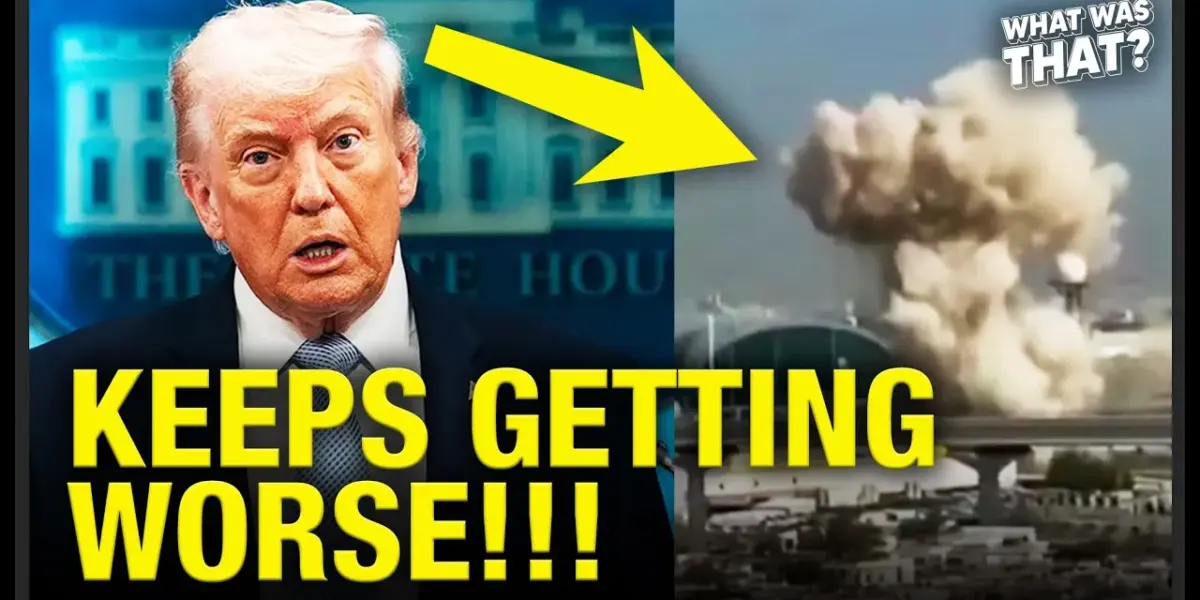
Trump’s Iran “Victory” Unravels Amidst Shifting Deadlines
Reports indicate that a supposed ceasefire with Iran was a complete fiction. While the White House announced a ceasefire, missiles continued to rain down.
Israel was sending rockets back to Iran, and Lebanon saw one of the highest death toll days. This paints a picture where the declared ceasefire did not match the reality on the ground.
Donald Trump’s approach to Iran has been described as a failure, accomplishing nothing concrete. Instead of clear successes, the outcome is a broken deal and a weakened United States.
At this point, the Strait of Hormuz is closed, and Iran has stated that talks are unreasonable under the current conditions. This situation directly contradicts claims of a successful resolution.
The Strait of Hormuz, a critical global energy route, was at the center of the conflict. Roughly 20% of the world’s oil and gas flows through this narrow waterway.
Trump’s strategy reportedly involved forcing Iran to open it on his terms or face severe consequences. This aggressive stance on such a vital global chokepoint is a risky move that past presidents have avoided.
Adding to the confusion, Trump’s administration has been accused of lying to the public. Claims of American troops being put in harm’s way are being questioned, especially with reports of 13 U.S. soldiers killed in what’s called a “pointless war.” The rhetoric used, comparing the conflict to a “Christian crusade against Islam,” further complicates the narrative.
Trump’s administration has also been accused of using the conflict as a distraction. Some suggest that the focus on Iran was a way to divert attention from Trump’s name appearing many times in the Epstein files. The idea is that the threat of war can overshadow other scandals.
The timeline of threats and deadlines from Trump’s administration has been inconsistent. On March 21st, Iran was given 48 hours to open the Strait or face strikes. Just before that deadline, the strikes were reportedly pushed back after “productive conversations.” More deadlines were set and extended, with claims of talks going well, even as the situation remained tense.
Shifting Goalposts and Empty Threats
One of the main criticisms is the constant shifting of deadlines and the language used. Trump reportedly gave Iran a 48-hour ultimatum on April 4th, only to promise attacks on power plants and bridges the very next day.
This occurred on Easter Sunday, with the president signing off with “Praise be to Allah, President Donald J. Trump.” The rhetoric escalated to threats of committing war crimes, with statements about “a whole civilization will die tonight.”
This approach contrasts sharply with Trump’s campaign promises of peace and stopping wars. The evolution from an anti-war stance to one that threatens mass destruction has been called a “total flip.” The rhetoric used, such as bringing Iran “back to the stone ages,” has drawn strong criticism, especially when compared to the actions of past presidents during times of conflict.
Critics argue that these threats are not a sign of strength but rather a sign of desperation. The administration’s claims of success are often met with skepticism, especially when the actual terms of any deal are examined. The narrative that Trump is a master negotiator is challenged when the outcomes appear to favor the other side.
Iran’s Response and Allegations of Deception
Reports suggest Iran has been mocking Trump’s actions, even creating videos of him waving a white flag. Some political commentators, including those typically aligned with Trump, have called the situation a “total US defeat.” This sentiment highlights a significant disconnect between the administration’s public statements and the perceived reality of the situation.
The actual deal on the table, according to reports, does not align with the administration’s claims of victory. Iran reportedly sent a 10-point plan that would allow them to control the Strait of Hormuz and set prices for passage.
This plan also allegedly includes no shutdown of Iran’s nuclear program and continued support for proxy forces, while sanctions would be lifted. This is seen as a major concession by the U.S.
The cost of this conflict is also being tallied. Taxpayer money, lives of U.S. service members, and Iranian casualties are all part of the toll. Damage to U.S. bases, strained relationships with allies like NATO, and a general loss of trust in U.S. foreign policy are cited as negative outcomes.
Why This Matters
The situation surrounding Iran and the Strait of Hormuz is crucial for global economic stability. Any disruption to the flow of oil and gas through this waterway can lead to significant price increases worldwide. The way this conflict is handled impacts not only the involved nations but also the economic well-being of many countries.
The rhetoric and actions surrounding international conflicts have a direct impact on global perceptions of the United States. When threats of war crimes or genocide are made, it can damage diplomatic relations and erode trust. It also raises serious questions about the temperament and judgment of leaders in critical positions.
The handling of this situation also reflects on the effectiveness of U.S. foreign policy and its ability to achieve lasting peace. The repeated shifting of deadlines and the contrast between campaign promises and actions can lead to cynicism and a lack of confidence in leadership.
Implications and Future Outlook
The perceived outcome of this confrontation with Iran could set a precedent for future U.S. foreign policy. If the administration’s narrative of a successful resolution holds, it might encourage similar aggressive tactics. However, if the criticism about a failed deal and increased risks gains traction, it could lead to a re-evaluation of such strategies.
The ongoing tensions in the Strait of Hormuz mean that the situation remains volatile. The potential for miscalculation or escalation is ever-present. The long-term consequences of the actions taken, including the lifting of sanctions and the continuation of Iran’s nuclear program, will unfold over time.
The incident also highlights the challenges of navigating complex geopolitical situations. The use of social media and the rapid spread of information, or misinformation, play a significant role in shaping public opinion and international responses. The administration’s attempts to control the narrative through social media and to label critical reporting as “fake news” are part of this evolving dynamic.
Historical Context
The U.S. relationship with Iran has a long and complicated history, marked by periods of tension and conflict. The Iran nuclear deal, known as the JCPOA, was an attempt to constrain Iran’s nuclear program through diplomacy. Trump’s decision to withdraw from this deal in 2018 was a significant policy shift that altered the dynamics between the two countries.
Past administrations have sought to manage the Strait of Hormuz through naval presence and diplomatic means, recognizing its strategic importance. The current situation, with its heightened rhetoric and shifting deadlines, represents a departure from some of these established approaches.
The accusations of planning war crimes and threatening entire populations are particularly concerning when viewed against the backdrop of historical atrocities. Such language, even if intended as negotiation tactics, carries immense weight and can have lasting repercussions on international relations and the perception of American values.
The involvement of intermediaries like Pakistan in diplomatic efforts also points to the complex web of relationships in the region. The suggestion that the White House may have ghostwritten messages for foreign leaders highlights the intricate and sometimes opaque nature of international diplomacy.
As of the latest reports, the situation remains fluid. The administration continues to insist on a successful outcome, while critics point to a series of concessions and increased risks. The coming weeks will likely reveal more about the true impact of these events and whether the declared “deal” represents a genuine step towards peace or a temporary pause in escalating tensions.
Source: Trump WAR LIES EXPLODE as SHOCK Details Emerge (YouTube)

Related Articles


Trump’s War Messaging Sparks ‘Apprentice’ Comparisons
Critics are comparing former President Donald Trump's messaging on potential military action against Iran to a reality TV show. This approach has drawn criticism for trivializing the gravity of war, while some argue it's a deliberate media warfare strategy.

Pentagon Hid Truth About Deadly Kuwait Base Attack?
Survivors of a deadly Iranian attack on a U.S. base in Kuwait claim the Pentagon misled the public about their unit's preparedness. Wounded soldiers say they were left dangerously exposed, contradicting official accounts. This raises serious questions about military transparency and preparedness in volatile regions.
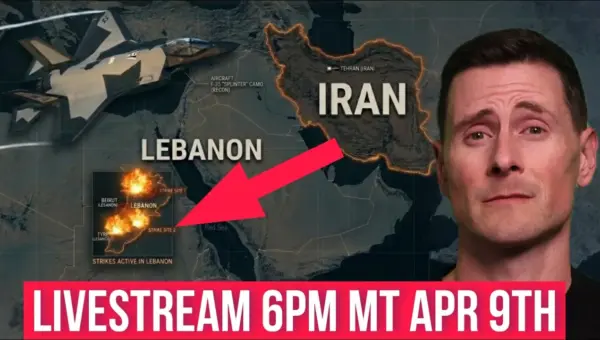
Pilot Tests New Tech for Live Shows
A fighter pilot is testing new broadcasting software, Restream, to enhance live streams discussing geopolitical events. The pilot worked through technical issues with audio and video across platforms like X and Twitch. Viewer feedback was crucial in refining graphics, chat integration, and ad functionality.