Cuban Exiles Fear Trump’s ‘Take Control’ Threat
Cuban exiles are expressing deep concern over former President Donald Trump's recent remarks about potentially "taking control" of Cuba. The comments come as the island nation faces severe shortages of electricity and fuel, drastically impacting daily life for its citizens. Many fear renewed U.S. intervention could worsen the humanitarian crisis.

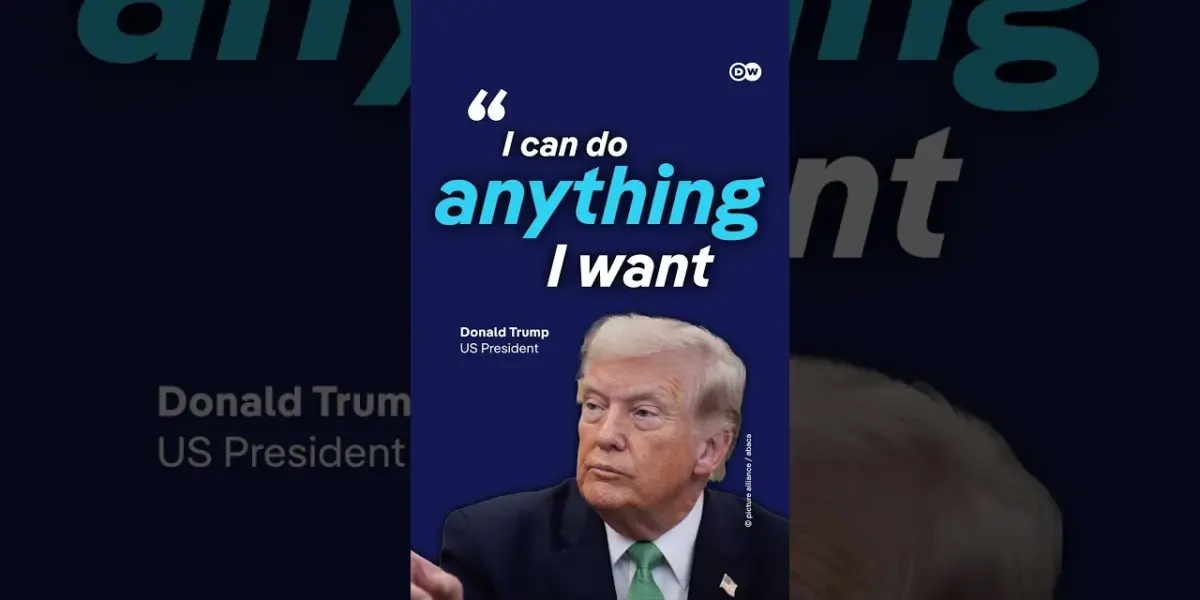
Cuban Exiles Voice Alarm Over Trump’s ‘Take Control’ Remarks
Former President Donald Trump’s recent statements suggesting he might “take control” of Cuba have sent waves of concern through Cuban exile communities. These remarks, made during a campaign event, have ignited fears of renewed American intervention and heightened economic pressure on the island nation. Many exiles, who have long advocated for democratic change in Cuba, are now worried about the potential consequences of such aggressive rhetoric on the lives of their families and friends still living under the current Cuban government.
The concerns are amplified by the dire conditions already facing ordinary Cubans. Residents are experiencing severe shortages of basic necessities, including electricity and fuel.
These shortages disrupt daily life, making even simple tasks like cooking or bathing a challenge at any hour. The lack of essential services extends to critical areas, with reports of people being sent home from hospitals due to a lack of resources.
Crippling Shortages Grip Cuba Amidst Political Tensions
Cuba is currently grappling with a severe energy crisis, leaving many citizens without power for extended periods. Families are forced to adapt their routines to unpredictable blackouts, trying to complete essential tasks whenever electricity is available. This constant uncertainty creates immense stress and hardship for the population, impacting their ability to work, study, and maintain a normal life.
The fuel scarcity is so profound that it has even affected funeral services. One harrowing account described a situation where a body could not be transported home for a wake because there was no gasoline for the hearse. This stark example illustrates the breakdown of essential services and the deep impact of the ongoing shortages on every facet of Cuban society, from daily living to the most somber of occasions.
Exile Community Reacts to Trump’s Rhetoric
For many Cuban exiles, Trump’s talk of “taking control” evokes painful memories and deep-seated anxieties. Ren Limonte Brett, who studied German and worked as an interpreter, expressed his dismay. He found the idea of American takeover arrogant and unacceptable, stating that Cubans should not be expected to simply accept such a fate.
Brett also voiced disappointment with the silence from countries that were once allies or recipients of Cuban aid. He noted that many nations, including China, Russia, and various Latin American and African countries, have remained quiet.
This silence is particularly galling given Cuba’s past altruistic support for some of these nations, including its involvement in conflicts where Cubans lost their lives, such as in Angola. The lack of a supportive voice from these former partners leaves many feeling isolated and unheard.
Broader Implications and International Silence
The current situation in Cuba highlights the complex interplay between domestic hardship, international relations, and political rhetoric. The severe shortages are not just an economic issue; they are deeply intertwined with Cuba’s geopolitical standing and the policies enacted by external powers. The United States, through its long-standing embargo and specific sanctions, has a significant influence on the island’s economic condition.
Trump’s comments suggest a potential escalation of this pressure, moving beyond economic sanctions to direct interventionist language. This approach is viewed with deep suspicion by many, including those who oppose the current Cuban government.
They fear that such actions could further destabilize the country, worsen the humanitarian crisis, and undermine any hopes for organic, internal reform. The international community’s muted response further complicates the situation, leaving Cubans feeling abandoned by former allies.
Looking Ahead: Calls for Reform and Uncertainty
Despite the external pressures and internal struggles, there are ongoing discussions within Cuba about the need for reforms. However, the path forward remains uncertain, with the current crisis and the rhetoric from international figures like Trump creating a volatile environment. The desire for change is palpable, but the means and the support for such change are subjects of intense debate and concern among Cubans both on the island and in the diaspora.
The coming weeks and months will be crucial in determining how these tensions play out. The focus will likely remain on the ongoing shortages and the impact of U.S. Policy, alongside the reactions from the international community. Any shifts in U.S. Policy or significant developments within Cuba could have far-reaching consequences for the island’s future and its relationship with the world.
Source: Cuban exiles alarmed by Trump's threat to 'take control' of Cuba | DW News (YouTube)

Related Articles


EU Rejects Trump’s Iran War Demands, Cites Illegality
European leaders have firmly rejected calls to join the United States in a war against Iran, citing illegality and lack of justification. The EU's stance directly challenges President Trump, who has urged NATO allies to provide naval support. The conflict's economic fallout is being felt across Europe, with rising energy prices impacting member states.

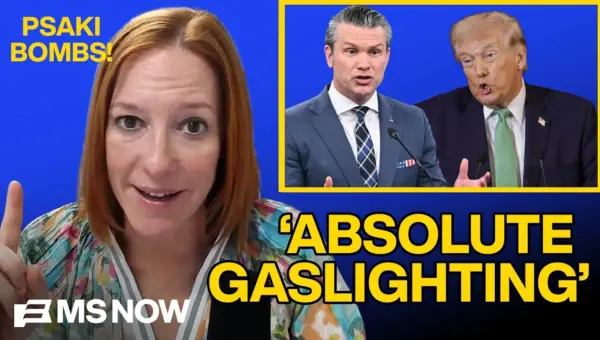
Trump’s Iran Claims Spark Outrage as Gas Prices Soar
Jen Psaki has accused Donald Trump of gaslighting the public on Iran policy and economic issues, stating Americans are aware of their financial struggles. Meanwhile, a controversial nominee favored by Trump for Homeland Security has suggested bringing back dueling for Senate disputes, and Texas primaries are marked by intense, "dirty" campaign ads.
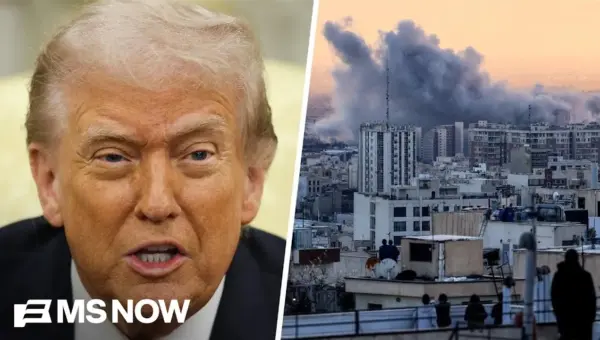
Dem Rep. Slams ‘Out of Hand’ Iran War, Questions US Leadership
Democratic Congressman Jason Crow has voiced alarm over the escalating war in Iran, calling it "way out of hand" and citing a lack of clear planning from the Trump administration. He expressed frustration with intelligence officials' inability to answer key questions about military actions and the nation's true level of control. Crow also raised concerns about domestic "creeping authoritarianism" and the use of government power against political opponents.