Middle East Stability Faces New Risk as Iran Escalates Tensions
Tensions are rising in the Middle East as Iran's neighbors signal a shift away from friendly relations due to recent missile launches. This could impact regional stability and the crucial Strait of Hormuz.


Middle East Stability Faces New Risk as Iran Escalates Tensions
Geopolitical shifts are rapidly altering the Middle East’s economic outlook, particularly concerning the flow of talent and resources in hubs like Dubai. Recent events suggest a growing unease among Iran’s neighbors, potentially impacting regional stability and key trade routes.
For the first time in recent memory, countries bordering Iran have publicly stated they can no longer engage in friendly relations. This sentiment has solidified over the past three days, marking a significant change in regional diplomacy. The primary driver appears to be Iran’s recent actions, which have been perceived as direct attacks on its neighbors.
Iran has been launching missiles toward its neighboring countries. Whether these actions were planned or accidental, they are being viewed as intentional acts of aggression. This perception is forcing Iran’s neighbors to reconsider their relationship with the nation.
These neighboring countries are now likely to provide financial backing for security measures. Their support will focus on maintaining the stability and safety of the Strait of Hormuz. This vital waterway is critical for global oil transportation.
Market Impact
The heightened tensions in the Middle East could have significant implications for global energy markets. The Strait of Hormuz is a crucial chokepoint for oil shipments, with roughly 20% of global oil consumption passing through it daily. Any disruption, or even the perceived threat of one, can lead to increased oil prices.
Investors closely watch geopolitical developments in the region for their impact on energy prices and related stocks. Companies involved in oil exploration, production, and transportation are particularly sensitive to these events. A more unstable region could also affect investment flows into developing economies that rely on Middle Eastern trade and resources.
What Investors Should Know
The narrative surrounding the Middle East has shifted dramatically in just a few days. The willingness of Iran’s neighbors to fund security in the Strait of Hormuz suggests a proactive approach to mitigating risks. This could provide a degree of reassurance to markets concerned about supply disruptions.
However, the underlying cause of the increased tensions remains Iran’s missile launches. This ongoing conflict poses a persistent risk to regional stability. Investors should monitor statements from regional powers and any developments regarding security operations in the Strait of Hormuz.
The economic stability of hubs like Dubai, which rely on open trade routes and a secure environment, is directly linked to events in the wider region. Any prolonged instability could deter foreign investment and impact business confidence. The commitment of neighboring countries to fund policing efforts is a positive signal, but the situation remains fluid.
The situation highlights the complex interplay between geopolitics and financial markets. Understanding these dynamics is key for investors looking to navigate potential volatility. The focus will likely remain on the security of the Strait of Hormuz and the economic consequences of any disruptions.
The coming days will be crucial in determining the extent of regional cooperation on security. Updates on funding and policing efforts for the Strait of Hormuz will provide further insight into the commitment of Iran’s neighbors to regional stability.
Source: Kevin O'Leary: This just doesn't MAKE SENSE #shorts (YouTube)

Related Articles

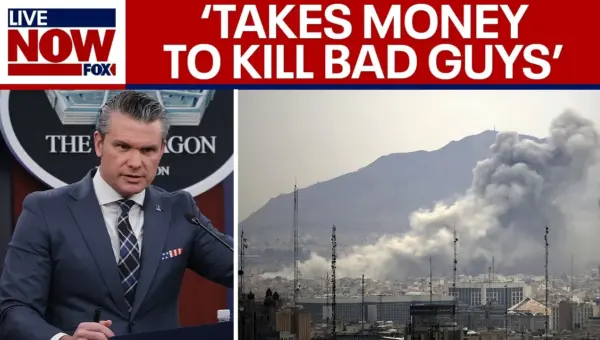
Pentagon Demands $200 Billion for Iran War, Troop Buildup Looms
The Pentagon has formally requested an additional $200 billion to fund its operations in Iran, a sum that dwarfs previous wartime spending. This massive request comes as U.S. military officials discuss potentially sending thousands more troops to the region, raising concerns about a prolonged ground conflict.


Oil Surges Past $115 as Iran Conflict Hits Energy Hubs
Oil prices have surged past $115 per barrel as direct attacks on critical energy infrastructure in the Middle East escalate. European gas prices have nearly tripled, impacting electricity costs and global inflation. This spreading conflict threatens economic growth as central banks face pressure to raise interest rates.


Bitcoin Plunges Amid Geopolitical Fears, Oil Surges
Bitcoin and major stock indices are experiencing sharp declines amid escalating geopolitical tensions and concerns over rising inflation. While the energy sector is surging, cryptocurrencies are showing significant weakness, with analysts warning of potential further downside for Bitcoin. Market participants are closely watching global events and central bank policy for direction.