Ukraine Jails Ex-Official for Aiding Russian Forces
Former Ukrainian emergency service worker Nelya Chychota has been jailed for collaborating with Russian forces. Accused of spreading pro-Russian information and aiding the enemy, she denied the charges. The conviction highlights Ukraine's efforts to prosecute collaborators.

Ukraine Jails Ex-Official for Aiding Russian Forces
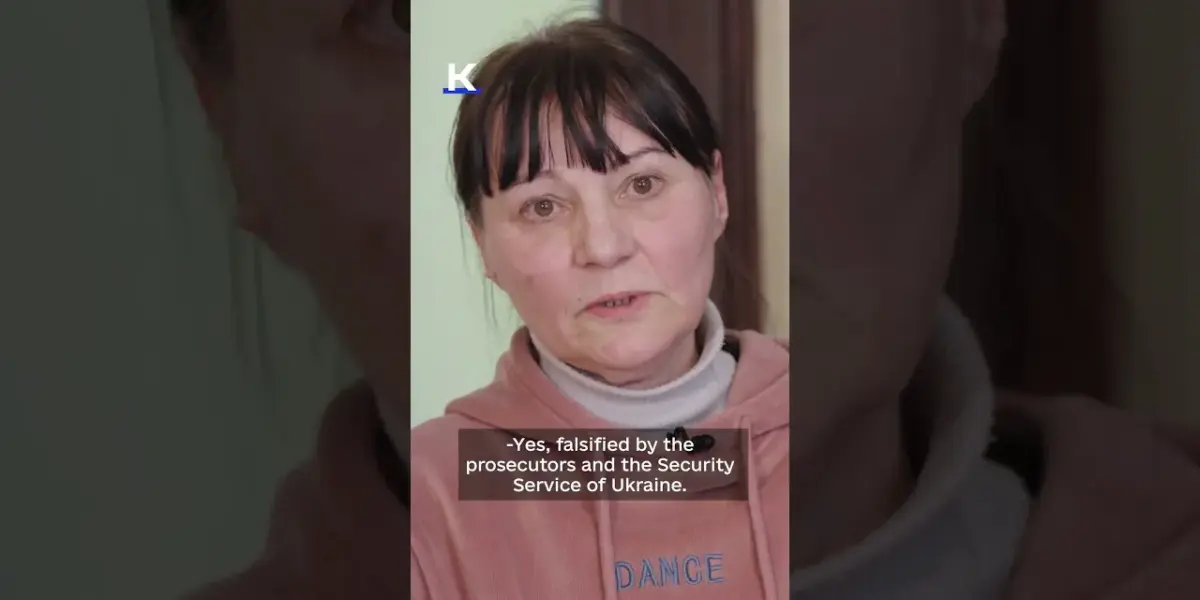
Ukrainian authorities have imprisoned a former emergency service worker, identified as Nelya Chychota, on charges of collaborating with Russian forces. Chychota, originally from the mining town of Hirske in the Luhansk region, had previously received a state award for her service within Ukraine’s State Emergency Service. Her past also includes service in the Ukrainian army and a decade spent living in Russia.
The charges against Chychota stem from her alleged actions during the Russian occupation of parts of Ukraine. Court documents indicate she is accused of spreading pro-Russian information and passing data to Russian personnel. These actions are seen by Ukrainian prosecutors as aiding an enemy state during wartime.
Allegations of Collaboration
Chychota’s case highlights the difficult choices and loyalties faced by individuals in occupied territories. Prosecutors presented evidence suggesting she used her position to gather and transmit information beneficial to Russian forces. This included details about Ukrainian military movements and infrastructure.
During her trial, Chychota reportedly denied the charges, claiming the evidence against her was falsified by Ukrainian prosecutors and security services. She argued that her actions were misinterpreted and that she did not intend to harm Ukraine. However, the court did not find her defense convincing.
The Court’s Decision
The court found Chychota guilty of collaboration and sentenced her to a prison term. The specific sentence length was not detailed in the available information. The judge cited the evidence presented by the prosecution, which included communications and witness testimonies, as sufficient to prove her guilt.
The ruling underscores Ukraine’s commitment to prosecuting individuals accused of aiding the Russian invasion. This legal action is part of a broader effort to hold accountable those who have sided with the occupying forces, particularly those who held positions of trust within Ukrainian institutions.
Strategic Implications
Cases like Chychota’s have significant implications for Ukraine’s internal security and national unity. They demonstrate the complex challenges Ukraine faces in dealing with alleged collaborators, especially in regions that experienced occupation. The legal process aims to deter future acts of treason and reinforce loyalty to the Ukrainian state.
These trials send a message to both domestic and international audiences about Ukraine’s resolve to defend its sovereignty. By prosecuting collaborators, Ukraine asserts its legal authority over its internationally recognized borders. It also signals the risks associated with cooperating with an invading force.
Historical Parallels
The prosecution of individuals accused of collaboration during wartime is not new. Throughout history, nations at war have dealt with citizens who aided enemy forces. These situations often involve difficult legal and ethical questions about loyalty, coercion, and individual responsibility in times of conflict.
Following World War II, many countries prosecuted individuals accused of collaborating with occupying Nazi forces. These trials often focused on actions that directly aided the enemy, such as espionage or propaganda. The Ukrainian legal approach appears to follow similar principles, focusing on concrete acts of assistance to the invading military.
Looking Ahead
The ongoing legal proceedings against alleged collaborators continue to shape Ukraine’s post-conflict landscape. These cases are crucial for establishing justice and accountability for actions taken during the invasion. Ukraine’s justice system continues to process numerous cases related to wartime crimes and collaboration.
Source: Inside a Ukrainian prison for women who sided with Russia (YouTube)

Related Articles

Justice for Lumumba? Belgian Diplomat Faces Trial for Congo Hero’s Death
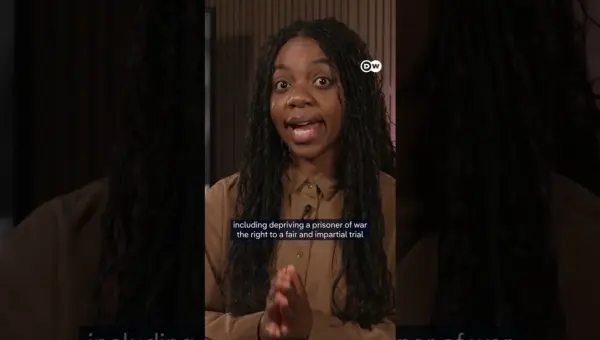
A Belgian diplomat, Etienne Davignon, will stand trial over the 1960 assassination of Patrice Lumumba, Congo's first prime minister. The move is seen as a crucial step towards truth and justice for Lumumba's family, more than 60 years after the colonial-era killing. The trial could be the first criminal prosecution of its kind against a former colonial power.
UK Pledges 120,000 Drones to Ukraine in Major Aid Package
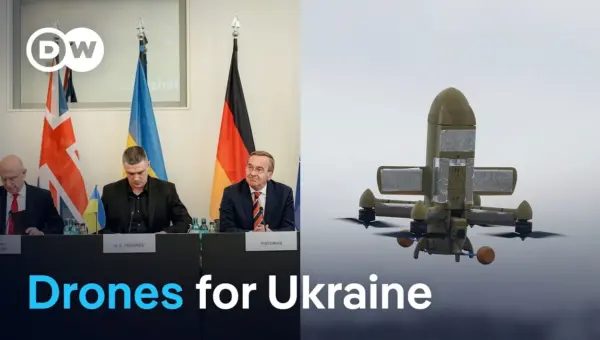
Britain has pledged 120,000 drones to Ukraine, marking its largest aid package of its kind, during a meeting of the Ukraine Defense Contact Group in Berlin. The meeting highlighted both strong international solidarity and ongoing challenges in aid delivery, as Germany also boosts its own defense capabilities.


Russia’s War Costs Strain Putin’s Elite Bargain
Russia's prolonged war in Ukraine is straining President Putin's grip on power. Declining oil revenues and escalating military costs are forcing internal power shifts, with intelligence services reportedly gaining influence. This financial pressure is creating significant discontent among the elite and risking broader instability within the Kremlin.