Hegseth’s Briefings Expose Deep Incompetence
Reports indicate Pete Hegseth struggles in classified briefings, unable to answer detailed questions beyond reading scripts. This raises serious concerns about competence in handling sensitive national security information. The situation highlights the need for proven expertise over public profile in critical government roles.

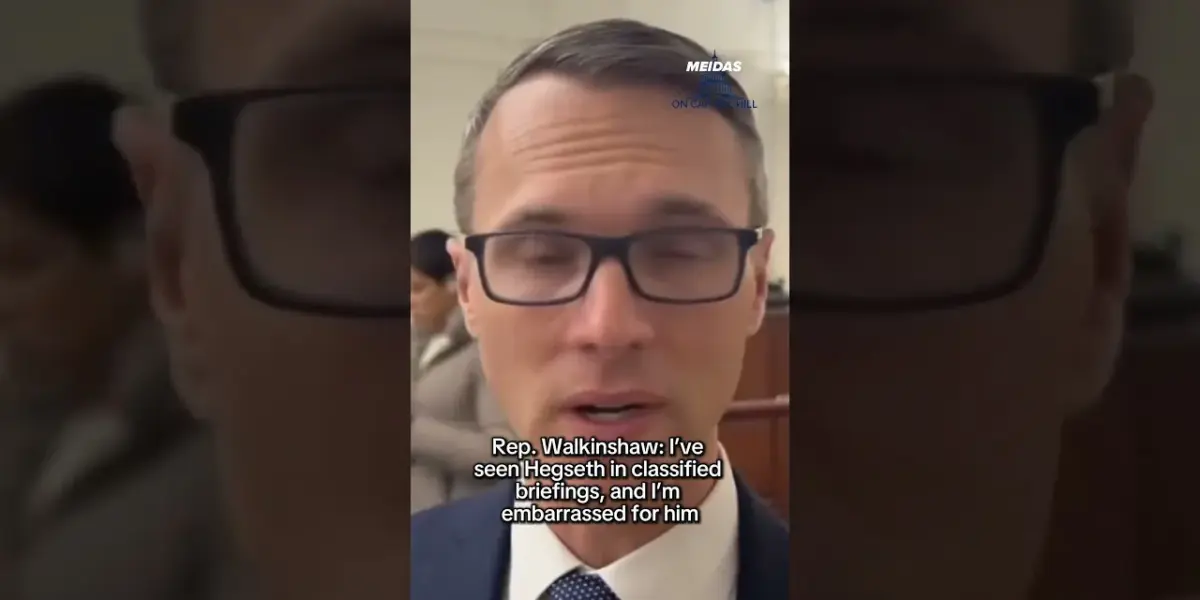
Hegseth’s Briefings Expose Deep Incompetence
Reports suggest that Pete Hegseth, a figure often seen in public forums, is struggling significantly when it comes to classified briefings. This isn’t just about public speaking; it’s about handling sensitive information and strategic discussions that require a deep understanding of complex issues. The concerns raised indicate a serious disconnect between his public persona and his ability to perform in high-stakes, secure environments.
According to a congressman, Hegseth appears unable to go beyond reading prepared statements during these briefings. This inability to deviate from a script raises questions about his grasp of the material. It suggests a lack of genuine understanding, making him seem ill-equipped for the demands of the role.
Beyond the Script: A Struggle with Substance
The core of the criticism centers on Hegseth’s difficulty in answering detailed questions. This points to a potential gap in his knowledge or analytical skills. When asked about strategy or tactical operations, he reportedly appears lost, indicating he is “in way the hell over his head.” This suggests a fundamental mismatch between the requirements of the briefings and his capabilities.
This situation is particularly concerning given the nature of classified briefings. These sessions are designed for individuals who can process intricate details, understand strategic objectives, and respond thoughtfully to nuanced inquiries. The alleged inability to do so, beyond reciting pre-written points, undermines the purpose of such meetings and raises doubts about the judgment of those who place individuals with such limitations in these roles.
Why This Matters
The effectiveness of individuals in roles involving classified information is crucial for national security and informed decision-making. When someone is perceived as unable to grasp or articulate complex strategies, it can lead to flawed policies and missed opportunities. The public trust is also at stake; citizens expect their representatives and appointed officials to be competent and well-informed, especially when dealing with sensitive national matters.
This situation highlights a broader concern about the vetting and qualification process for individuals in positions of trust. It’s not enough to have a public profile; substantive knowledge and the ability to think critically under pressure are essential. The embarrassment suggested by the congressman implies a level of unpreparedness that could have real-world consequences.
Historical Context and Background
Throughout history, the handling of classified information has been a cornerstone of effective governance and national defense. From the codebreakers of World War II to modern intelligence analysis, the ability to understand and act upon sensitive data has been paramount. Individuals placed in such roles are typically expected to possess a certain level of expertise and analytical rigor.
The challenges described in these briefings echo past instances where individuals in high-level positions have faced scrutiny for their understanding of critical issues. Such situations often lead to public debate about competence, transparency, and accountability within government. The current concerns about Hegseth’s performance fit into this ongoing discussion about ensuring that those entrusted with sensitive information are truly qualified to handle it.
Implications, Trends, and Future Outlook
The implications of such performance issues extend beyond the individual. They can affect the morale of teams working on complex projects and influence the direction of policy. If strategic discussions are hampered by a lack of understanding from key participants, the overall effectiveness of governmental operations can suffer.
This situation also points to a potential trend of public figures being placed in roles that may exceed their qualifications, perhaps due to political considerations rather than proven expertise. As these issues come to light, there may be increased pressure for more rigorous qualification standards and greater transparency in the selection process for sensitive positions. The future may see a greater emphasis on demonstrable skills and knowledge over mere public visibility.
Moving forward, the focus will likely remain on the actual performance and understanding displayed in these critical briefings. The ability to answer detailed questions and articulate strategic thinking will be the true measure of effectiveness. The congressman’s comments serve as a clear reminder of the importance of genuine competence in matters of national significance.
Source: Congressman: Hegseth is Humiliating in Classified Briefings 👀 (YouTube)

Related Articles


Psaki Slams Hegseth’s ‘No Quarter’ Remarks as Illegal
Jen Psaki strongly criticized Defense Secretary Pete Hegseth's call for "no quarter, no mercy" for U.S. enemies. Psaki stated that such remarks could violate international law, which prohibits denying quarter to surrendering combatants. The comments raise concerns about the rhetoric used in national security and its adherence to global norms.


Putin’s Internet Shutdown: Paranoia or Precaution?
Russia's recent internet restrictions fuel speculation about President Putin's paranoia, potentially driven by fears of a coup and the weaponization of digital information by adversaries. Actions like buffer zones and dismissals suggest a leader under pressure.


Senator Tillis Demands Clarity on US Goals in Iran Conflict
Senator Thom Tillis is demanding more details from the White House about U.S. goals in the Iran conflict, citing a lack of information for senators and rising gas prices. He stressed that Congress needs specifics before approving significant funding requests.