Iran Challenges Dollar Dominance in Oil Trade
Iran is reportedly considering demanding Chinese yuan for oil shipments through the Strait of Hormuz, a move that would directly challenge the US dollar's nearly 50-year dominance in global oil trade. This potential shift reflects a broader global trend of countries reducing their dependency on the dollar due to sanctions and seeking alternative currencies for major transactions.


Iran Reportedly Considers Ditching Dollar for Oil Payments
Iran is reportedly considering a significant move that could challenge the US dollar’s long-held dominance in global oil trade. The country may soon only allow oil tankers to pass through the Strait of Hormuz if their cargo is paid for in Chinese yuan. This potential policy shift, if enacted, would represent a direct blow to the petrodollar system, which has underpinned American financial power for nearly five decades.
Understanding the Petrodollar System
The petrodollar system began in the 1970s through an agreement between the United States and Saudi Arabia. This deal established that all global oil transactions would be priced and settled in US dollars.
This arrangement created enormous worldwide demand for dollars, as countries needed to hold dollars to purchase oil. For many years, this system worked effectively.
During the period from 2002 to 2008, when oil prices soared to nearly $150 per barrel, the United States was a major importer of oil. Oil-exporting nations then reinvested their substantial profits by purchasing US government bonds. This inflow of capital helped the US finance its own government spending and debt.
Global Shift Away from Dollar Dependency
However, the global financial landscape is changing. More countries are actively seeking alternatives to the dollar, leading to a gradual weakening of the petrodollar’s influence.
A key factor driving this change has been the impact of US sanctions. These sanctions have demonstrated to nations how quickly they can be cut off from dollar-based financial systems.
Consequently, many governments now view over-reliance on the dollar as a significant financial risk. This concern is reflected in global currency reserves.
The share of US dollars held in reserve by countries has fallen from 71% in 1999 to approximately 57% in 2025. This trend indicates a broader move towards diversifying financial holdings and reducing dollar dependency.
China’s Role and the Rise of Alternatives
China has been actively promoting its own petrodollar alternative. The country has been working to provide heavily sanctioned oil exporters, such as Russia, with a viable way to continue trading oil without using the US dollar. Estimates suggest that roughly 20% of the world’s crude oil is now traded using other currencies like the euro or the Japanese yen.
“What we’re seeing is Iran frustrated with the big picture, which is a world in which it has, you know, a significant share of of global oil production, but it is very weak when it comes to the financial layer.”
Experts observe a pattern in US foreign policy actions. Gaining influence over nations with significant oil reserves, such as Venezuela, is seen as part of a strategy to protect the petrodollar and the global power it grants the US. While the dollar is unlikely to disappear from oil markets anytime soon, its dominance is clearly eroding.
Iran’s Move Could Accelerate the Shift
Iran’s potential decision to demand payment in yuan for oil shipments passing through the Strait of Hormuz could significantly speed up this ongoing shift away from dollar dominance. This move aims to weaken the United States’ firm control over the financial aspects of global energy markets. While the dollar remains the primary currency for oil trading, this erosion, particularly among sanctioned nations, is becoming more pronounced.
What’s Next?
The international community will be closely watching Iran’s final decision regarding oil payments. Any official confirmation or implementation of this policy could trigger further diversification in global oil trade and potentially reshape financial relationships worldwide. The long-term implications for the US dollar’s global standing remain a key point of observation for economists and policymakers.
Source: Is Iran Ending the Petrodollar Era? | DW News (YouTube)

Related Articles

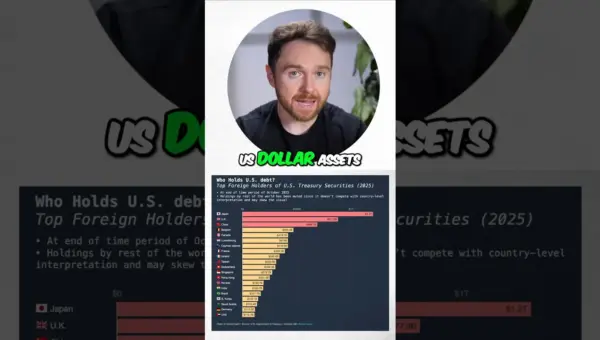
Foreigners Own $70 Trillion in US Assets; What Now?
Foreigners now hold $70 trillion in U.S. assets, including $9.4 trillion in Treasuries. Recent sales by foreign central banks signal potential shifts in global capital flows and rising U.S. borrowing costs. Investors should watch these trends closely.
China Pushes Yuan, Threatens Dollar in Strait of Hormuz Stand-off
Iran's demand for oil payments in Chinese Yuan at the Strait of Hormuz challenges the U.S. dollar's dominance. This move, coupled with China's broader economic vulnerabilities and broken promises on issues like fentanyl, signals potential global economic shifts and increased market volatility.

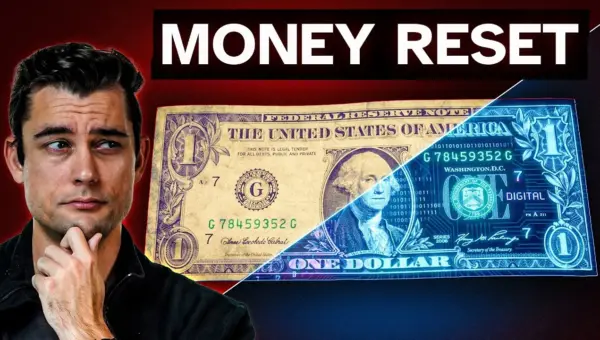
IMF Signals Global Finance Reset Amidst Economic Turmoil
The International Monetary Fund (IMF) is signaling a major shift in global finance with its upcoming "Policies Amid a Reset of the International Trade and Financial Systems" session. This event highlights growing concerns over geopolitical instability and energy shocks, prompting a move towards programmable money and central bank digital currencies (CBDCs). Meanwhile, alternative payment systems are emerging, challenging the dominance of the U.S. dollar.