Kirk Shooting Suspect’s Lawyers Question Bullet Evidence
Attorneys for Tyler Robinson, accused in the shooting of Charlie Kirk, are requesting a six-month delay in proceedings to review extensive digital evidence. The defense also highlighted an ATF report unable to link a bullet fragment from the autopsy to Robinson's alleged rifle.

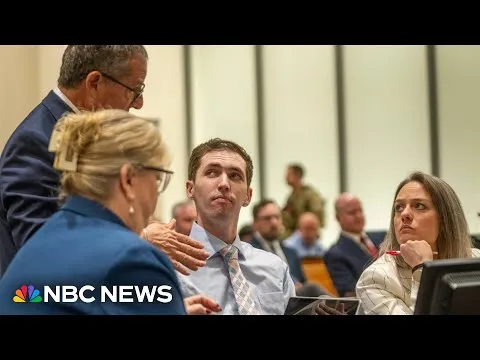
Defense Seeks Delay in Charlie Kirk Shooting Case
Attorneys for the man accused of shooting Charlie Kirk are asking a judge to postpone a key hearing scheduled for May. The legal team for Tyler Robinson claims they need an additional six months to thoroughly review the vast amount of digital evidence in the case. They also raised a significant new point in their filing: the Bureau of Alcohol, Tobacco, Firearms and Explosives (ATF) could not definitively link a bullet fragment found during the autopsy to the rifle allegedly used by Robinson.
Massive Digital Evidence Presents Review Challenge
The shooting of Charlie Kirk and its aftermath were widely captured by witnesses. Many people at the scene used their phones to record videos and take pictures.
The FBI has gathered all of this material, which is now being provided to Robinson’s defense team. This collection includes approximately 600 hours of video, 300 hours of audio, and over 600,000 individual files.
Robinson’s lawyers estimate that it will take about 60 days just to go through this enormous amount of data. They need to understand exactly what evidence the prosecution has and what might be missing. This review is crucial for building an effective defense.
Questions Raised About Bullet Fragment Match
A recent filing from Robinson’s defense team highlighted a section of an ATF summary report they have obtained. This report states that the ATF was unable to connect the bullet recovered during the autopsy to the rifle allegedly used by Mr. Robinson. This does not necessarily mean the ATF believes Robinson is innocent or that the wrong person is suspected.
However, it does suggest potential issues with the evidence. The bullet fragment recovered from Charlie Kirk might have been too small, or it may not have contained enough unique markings.
These factors could prevent investigators from making a positive identification. The defense team also noted that they have not yet received the underlying evidence that supports the ATF’s summary report.
Additional Ballistics Tests Underway
The FBI is conducting other tests on the bullet itself. These tests aim to gather more information and potentially overcome the challenges in matching the fragment to a specific firearm. The outcome of these ongoing investigations could significantly impact the prosecution’s case.
Case Progress and Camera Debate
A decision from the judge regarding the defense’s request for a delay is expected in the coming weeks. The legal proceedings are moving forward on multiple fronts. The defense is working to secure all evidence from the state of Utah.
Separately, there is an ongoing debate about allowing cameras in the courtroom. Some are concerned that allowing cameras during this highly publicized trial could turn the proceedings into a spectacle. The judge will need to consider these arguments when making decisions about court access and the trial schedule.
The defense’s focus on the bullet fragment evidence suggests a strategy to challenge key pieces of the prosecution’s case. The outcome of the judge’s decision on the delay and the ongoing evidence review will shape the next steps in this high-profile case.
Source: Attorneys for Charlie Kirk shooting suspect question bullet fragment evidence in case (YouTube)

Related Articles

NFL Faces Antitrust Probe Amid Viewer Cost Crisis
The DOJ is investigating the NFL for making football too expensive and confusing to watch, potentially costing fans nearly $1,000 per season. Meanwhile, Sean 'Diddy' Combs' legal team appeals his sentence, arguing the judge improperly considered acquitted charges. Separately, a letter from murder suspect Tyler Robinson is under scrutiny, with some questioning the prosecution's 'perfect' evidence.

Youth’s Faith Surge Fuels Conservative Cultural Resurgence
A significant cultural shift is underway among America's youth, moving them towards conservative values and a renewed interest in faith. This trend, symbolized by figures like Charlie Kirk, challenges progressive norms and suggests a potential realignment of cultural and political power.

Faith Fuels Conservative Youth Movement
Charlie Kirk's legacy lives on through his organization's continued outreach to young people. His approach of respecting youth experiences and weaving faith into public discourse has inspired a growing conservative movement. This trend highlights the increasing role of faith in shaping the values and beliefs of the next generation.