Congresswoman Titus Demands Swalwell Exit Amid Serious Allegations
Congresswoman Dina Titus has called for Eric Swalwell to resign from Congress and drop his California gubernatorial bid due to serious allegations. Titus also voiced concerns about the administration's foreign policy and the need for congressional oversight in military actions.

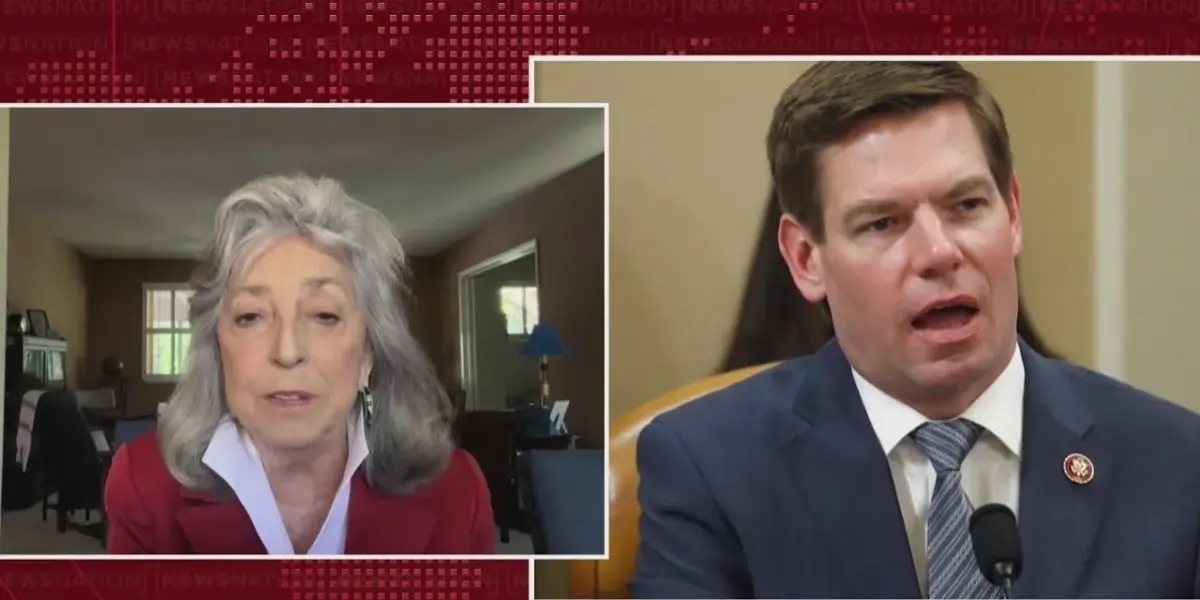
Congresswoman Titus Demands Swalwell Exit Amid Serious Allegations
Democratic Congresswoman Dina Titus of Nevada has voiced strong opinions regarding allegations against fellow Democrat Eric Swalwell. Titus stated that if the accusations are true, Swalwell’s behavior is unacceptable and disqualifies him from public service. She believes he should step down from Congress and withdraw from his California gubernatorial race.
Titus emphasized the seriousness of the accusations. She made it clear that such conduct has no place in public life. This strong stance comes as Swalwell faces these allegations, prompting calls for accountability from within his own party.
Concerns Over War Powers and Foreign Policy
The interview also touched upon broader foreign policy issues, including tensions in the Strait of Hormuz. Titus expressed skepticism about President Trump’s claims of knowing the exact location of mines. She noted that Iran still controls the area and seems intent on charging tariffs for passage through the waterway.
Titus supports efforts in Congress to pass War Powers Resolutions. She believes these resolutions are crucial for reining in presidential power. The Constitution gives Congress the power to declare war, and she feels the President often ignores this principle.
Questioning the Current Conflict
When discussing the current conflict, Titus highlighted several points of concern. She stated that the United States lacks clear goals and allies in the engagement. The lack of a defined path to success also troubles her, especially considering the loss of lives and rising gas prices.
She believes a statement or effort to halt the conflict is necessary. Titus fears the current situation could easily escalate back into full-blown war, especially after any potential cease-fire. This sentiment reflects a growing unease about the administration’s foreign policy decisions.
Political Strategy and Public Attention
The conversation shifted to President Trump’s political strategy. Titus suggested that the President might be using current events to distract from other issues. She noted that he hopes public attention will shift elsewhere during his upcoming recess.
Titus also commented on the President’s base of support. She observed that his supporters tend to remain loyal regardless of contrary evidence. This loyalty makes it difficult to sway public opinion against his policies, even when questions arise about their effectiveness.
Economic Concerns and Presidential Visits
The discussion briefly touched on President Trump’s upcoming visit to Nevada. Titus mentioned the President’s focus on his tax bill, specifically the no-tax-on-tips provision. However, she hopes to discuss her own bill, which would allow gamblers to deduct 100% of their losses.
She expressed doubt about the President’s accessibility to press during his visit. Titus suggested that the President might avoid tough questions, particularly those related to his campaign promises about ending foreign wars. She hopes fair questions will be asked.
Why This Matters
Congresswoman Titus’s direct call for Eric Swalwell to resign highlights a significant internal party conflict. It brings serious allegations of misconduct to the forefront of political discussion. The demand for accountability from a fellow party member signals a potential shift in how such accusations are handled within the Democratic Party.
Titus’s critique of the administration’s foreign policy raises important questions about transparency and strategy. Her emphasis on constitutional roles in matters of war and her concerns about the lack of clear objectives in foreign conflicts are critical points for public debate.
Implications and Future Outlook
The allegations against Swalwell could have a substantial impact on his gubernatorial campaign and his standing in Congress. If he does not step down, it may create a rift within the California Democratic Party and potentially influence voter sentiment.
On the foreign policy front, Titus’s views reflect a segment of Congress concerned about executive overreach and the justification for military actions. The push for War Powers Resolutions indicates a desire for greater congressional oversight in matters of national security and international conflict.
Historical Context
The debate over the President’s war powers is not new. Throughout U.S. history, there have been ongoing discussions and tensions between the executive and legislative branches regarding the authority to engage in military conflicts. Congress has historically used War Powers Resolutions to assert its constitutional role, though their effectiveness in limiting presidential action has varied.
The specific context of tensions in the Strait of Hormuz also has historical roots. This region has been a flashpoint for international conflict and concern over global oil supply routes for decades. Any escalation there carries significant geopolitical and economic implications for the entire world.
Looking Ahead
The coming weeks will likely see further developments regarding the allegations against Eric Swalwell. His response and the reactions from other political figures will be closely watched.
The situation in the Strait of Hormuz and the administration’s diplomatic and military responses will continue to be a major focus for Congress and international observers.
Source: Rep. Dina Titus says Eric Swalwell should suspend California governor bid | NewsNation Live (YouTube)

Related Articles

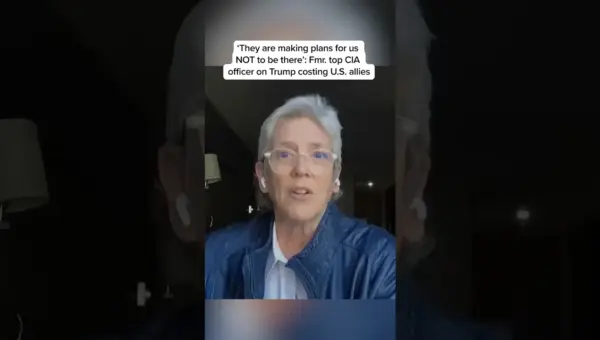
Ex-CIA Official: Trump’s Iran Actions Hurt U.S. Alliances
Former intelligence official Sue Gordon believes Donald Trump's past actions concerning Iran have significantly damaged the United States' standing with its global allies. She stated that such unilateral decisions erode trust, making the U.S. appear unreliable. Rebuilding these crucial relationships will require consistent and predictable foreign policy moving forward.
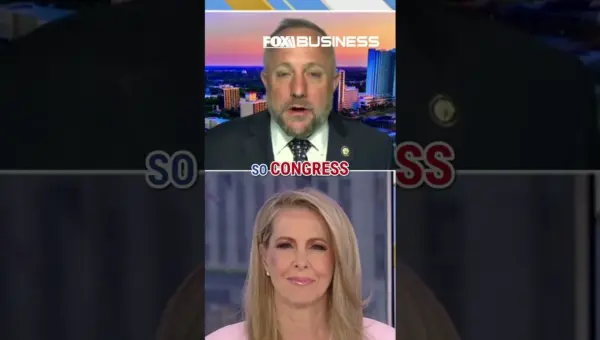
GOP Rep Slams Democrats Over Iran War Powers Vote Tactics
House Republicans blocked a Democratic attempt to vote on limiting U.S. military action in Iran. Democrats are seeking Republican support for a war powers resolution. A GOP Congressman criticized the move as politically motivated interference with presidential authority.
Trump’s Iran “Victory” Unravels Amidst Shifting Deadlines
Reports suggest a declared ceasefire with Iran was fictional, with ongoing conflict and a closed Strait of Hormuz. Critics argue Donald Trump's approach has failed, weakening the U.S. and resulting in a broken deal.