Ex-CIA Official: Trump’s Iran Actions Hurt U.S. Alliances
Former intelligence official Sue Gordon believes Donald Trump's past actions concerning Iran have significantly damaged the United States' standing with its global allies. She stated that such unilateral decisions erode trust, making the U.S. appear unreliable. Rebuilding these crucial relationships will require consistent and predictable foreign policy moving forward.

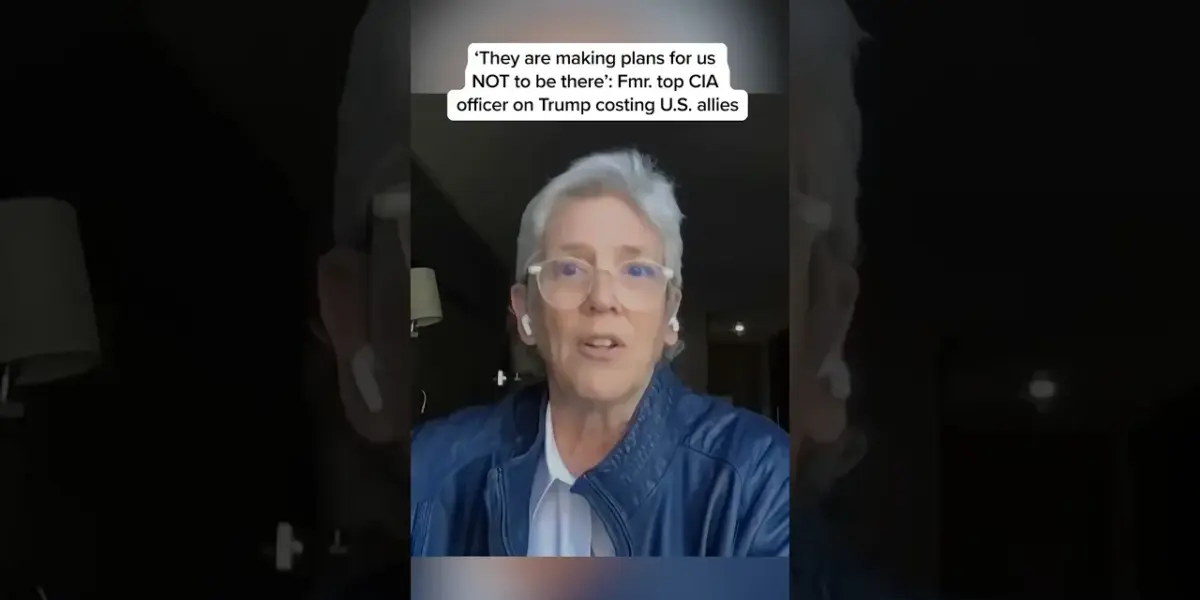
Trump’s Iran Actions Damaged Global Trust, Says Ex-Intel Chief
Former intelligence official Sue Gordon stated that Donald Trump’s actions regarding Iran have significantly damaged the United States’ relationships with its allies. Gordon, who previously served as the Principal Deputy Director of National Intelligence, spoke with Nicolle Wallace on MSNBC about the lasting impact of Trump’s foreign policy decisions. She believes these decisions have made the U.S. less reliable on the global stage, costing it valuable trust and cooperation from other nations.
Gordon explained that when allies see the U.S. acting unilaterally or inconsistently, it makes them question future partnerships. This uncertainty can lead allies to seek other arrangements or reduce their reliance on American support.
The former intelligence officer highlighted that building and maintaining trust with allies takes years of consistent effort. Conversely, it can be destroyed very quickly by perceived unreliability or sudden policy shifts.
Cost of Unilateral Decisions
The core of Gordon’s concern lies in Trump’s approach to international agreements and alliances. She suggested that Trump’s administration often acted without consulting key partners, leading to surprise and mistrust.
This lack of collaboration was particularly evident in decisions related to Iran, where allies who were also concerned about Iran’s behavior felt sidelined. When allies are not brought into the decision-making process, they feel excluded and less invested in the outcome.
Gordon used the analogy of a partnership: if one partner consistently makes major decisions without discussing them, the other partner will eventually stop trusting their judgment. This erosion of trust makes future cooperation much more difficult.
She emphasized that the U.S. has a long history of working with allies to address global challenges. Abandoning this collaborative approach, even for perceived short-term gains, carries significant long-term costs for American influence and security.
Impact on U.S. Standing
The former intelligence director pointed out that the U.S. has been working for decades to build a network of alliances that enhance its security and economic interests. Trump’s policies, according to Gordon, have put this network at risk.
Allies may now be less willing to share intelligence, coordinate military actions, or support U.S. diplomatic initiatives. This isolation weakens America’s ability to lead and respond effectively to international crises.
Gordon feels that the perception of the U.S. as an unpredictable partner is a direct result of these actions. Other countries may start to plan for a future where the U.S. is not a consistent or dependable ally.
This strategic shift by allies could leave the U.S. in a more vulnerable position globally. Rebuilding that trust, she warned, will be a difficult and lengthy process requiring consistent, predictable foreign policy.
The Iran Context
While the transcript doesn’t detail specific Iran actions, Gordon’s comments imply a critique of decisions made during Trump’s presidency concerning Iran. This could refer to the U.S. withdrawal from the Joint Comprehensive Plan of Action (JCPOA), also known as the Iran nuclear deal, in 2018.
At the time, European allies like France, Germany, and the United Kingdom, who were signatories to the deal, expressed strong disagreement with the U.S. decision. They believed the deal was the best way to prevent Iran from developing nuclear weapons.
Trump’s administration argued that the JCPOA was insufficient and that a new, broader deal was needed. However, the unilateral withdrawal and subsequent imposition of sanctions were seen by many allies as undermining diplomatic efforts and international consensus.
This move created a rift between the U.S. and its key European partners, affecting broader foreign policy coordination. Gordon’s remarks suggest that this rift has had lasting negative consequences for U.S. global influence.
Looking Ahead
Gordon’s assessment paints a concerning picture for the future of U.S. foreign relations. The erosion of trust with allies is not easily repaired and can have tangible consequences for national security and diplomatic effectiveness. Future administrations will face the challenge of demonstrating renewed commitment to alliances and consistent foreign policy principles.
The ongoing geopolitical climate demands strong, reliable partnerships. The ability of the U.S. to effectively address global challenges, from security threats to economic stability, depends heavily on the trust and cooperation of its allies.
Rebuilding this trust will require sustained effort and a return to predictable, collaborative diplomacy. The coming years will show whether these relationships can be fully restored.
Source: 'They are making plans for us NOT to be there': Fmr. top CIA officer on Trump costing U.S. allies (YouTube)

Related Articles

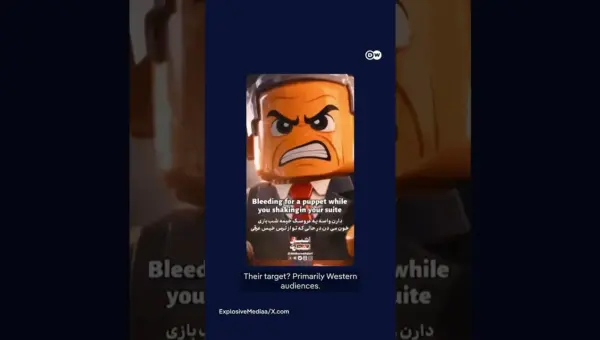
Iran’s AI Videos Mock US, Sparking Online Propaganda War
Iran is leveraging AI-generated videos, including Lego-style animations, to mock the US and influence Western audiences amidst ongoing global conflict. These clips, produced with remarkable speed by groups like Explosive Media, highlight a new era of online warfare where accessible AI tools empower activists to create impactful propaganda at an unprecedented scale. The rapid, real-time response capability of these AI videos marks a significant shift in how nations engage in the information battlefield.
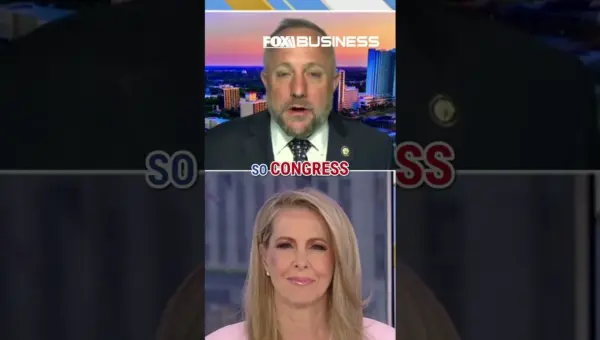
GOP Rep Slams Democrats Over Iran War Powers Vote Tactics
House Republicans blocked a Democratic attempt to vote on limiting U.S. military action in Iran. Democrats are seeking Republican support for a war powers resolution. A GOP Congressman criticized the move as politically motivated interference with presidential authority.
Trump’s Iran “Victory” Unravels Amidst Shifting Deadlines
Reports suggest a declared ceasefire with Iran was fictional, with ongoing conflict and a closed Strait of Hormuz. Critics argue Donald Trump's approach has failed, weakening the U.S. and resulting in a broken deal.