Iran’s Bold Move Exposes US Weakness in Persian Gulf
A Chinese tanker's easy passage through a U.S. blockade and a U.S. aircraft carrier's lengthy detour raise questions about American influence in the Persian Gulf. As global alliances shift, the effectiveness of U.S. foreign policy is under scrutiny.

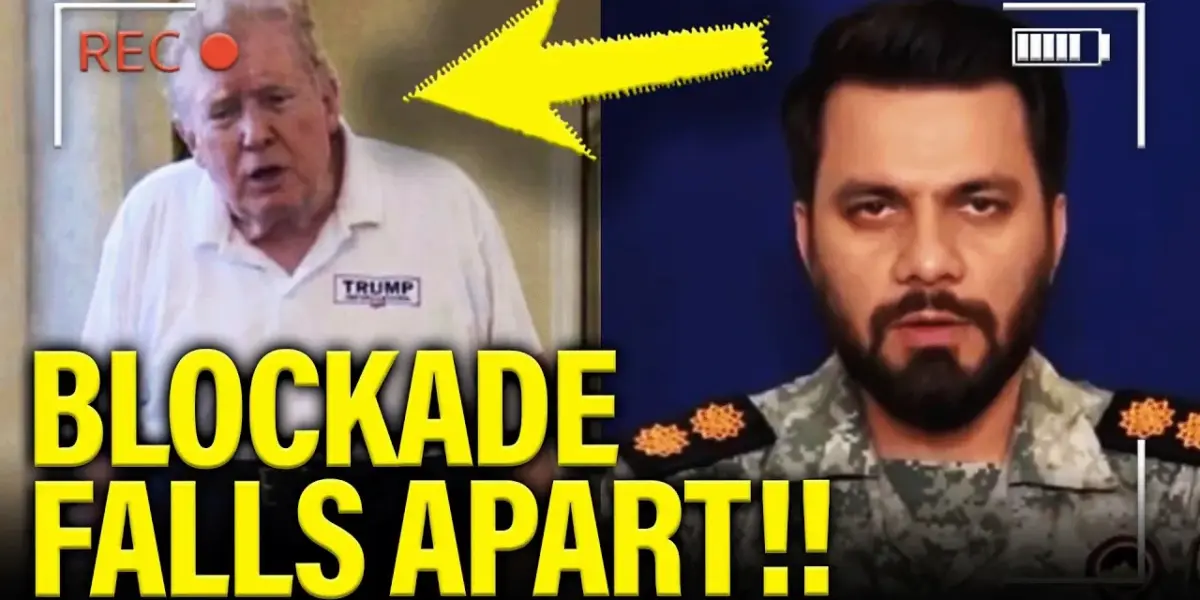
Iran’s Bold Move Exposes US Weakness in Persian Gulf
A recent incident involving a Chinese oil tanker, the Rich Stari, easily passing through the Strait of Hormuz despite a U.S.-imposed blockade, has sparked significant debate about the effectiveness of American foreign policy in the region. Reports from Al Jazeera and The Times of Israel highlighted the tanker’s unhindered transit, suggesting the blockade may be faltering. This event occurs as China has warned the United States against interfering with its trade and energy agreements with Iran.
A Shifting Naval Strategy
Adding to the complexity, the U.S. aircraft carrier USS George H.W. Bush is taking a significantly longer route around Africa to reach the Persian Gulf, bypassing the Red Sea and the Bab el-Mandeb strait. This detour, as noted by observers, avoids areas controlled by Houthi rebels, who are reportedly supported by Iran. The decision to avoid these waters raises questions about the U.S. military’s confidence in protecting vital shipping lanes. If a major aircraft carrier group feels compelled to avoid a strait due to potential threats, it sends a clear message about regional security to commercial vessels.
Nuclear Talks and Shifting Demands
The situation is further complicated by ongoing diplomatic efforts. Reports suggest that Iran has offered to suspend uranium enrichment for five years, while the U.S. has pushed for a 20-year ban. While both sides appear to accept that Iran may enrich uranium at some point in the future, the disagreement lies in the timeline. This stands in contrast to earlier, more aggressive stances from the Trump administration, which had previously called for Iran to abandon its nuclear program entirely.
Historical Context: Nuclear Diplomacy
This negotiation over uranium enrichment echoes past diplomatic challenges. For instance, the debate over North Korea’s nuclear program under previous administrations also involved prolonged negotiations and shifting demands. The core issue often becomes not whether a nation will possess certain capabilities, but under what conditions and timelines they will be allowed to develop them, and what concessions are made in return.
Global Alliances and a New World Order?
Beyond the immediate military and diplomatic exchanges, there are signs of shifting global alliances. Leaders from key Arab nations, formerly aligned with the U.S., are reportedly strengthening ties with China. Meetings between Chinese President Xi Jinping and leaders from Abu Dhabi and Spain suggest a growing desire for a more multipolar world order. China, for its part, is advocating for a stronger strategic partnership with the Arab world, emphasizing unity and coordination amidst global changes.
Economic Pressures and Retaliation
The U.S. response to perceived Iranian actions has also been framed as “economic terrorism” by some U.S. officials, with a proposed counter-strategy of blocking Iranian ships. This approach highlights the significant economic leverage involved in the dispute. However, the effectiveness of such measures depends on their consistent application and the broader geopolitical context. The transcript notes that even within the U.S., there is internal debate and differing opinions on these strategies, as seen in interviews with figures like J.D. Vance.
Public Perception and Media Narratives
The narrative surrounding these events is also a key battleground. The transcript suggests that Iran is actively using social media and cultural platforms to mock U.S. policies and leadership. Memes and satirical videos circulating online portray a perception of American weakness and a faltering blockade. Simultaneously, there is criticism of U.S. media outlets for what is perceived as biased reporting or an inaccurate portrayal of the situation on the ground. The transcript points to a disconnect between official statements and the reality of events, with some suggesting that Iran is not as militarily defeated as claimed.
Why This Matters
This complex interplay of military posturing, diplomatic negotiations, shifting global alliances, and public perception is critical for understanding the current geopolitical landscape. The perceived effectiveness of the U.S. naval blockade, the success of Iran’s defiance, and the growing influence of China all have significant implications for global trade, energy security, and international relations. The situation highlights the challenges of maintaining influence in a multipolar world and the need for adaptable foreign policy strategies.
Implications and Future Outlook
The events described suggest a potential weakening of U.S. dominance in the Persian Gulf and a corresponding rise in China’s influence. The U.S. may need to reassess its strategies for deterring adversaries and maintaining stability in critical shipping lanes. For Iran, successfully navigating international pressure while maintaining its regional presence could embolden its position. The ongoing nuclear talks, regardless of their immediate outcome, will continue to shape regional security dynamics. The future outlook points towards continued tension and negotiation, with a complex web of economic, military, and diplomatic factors at play.
Source: Trump PANICS as IRAN BLOCKADE COLLAPSES!!! (YouTube)

Related Articles


US Oil Sanctions on Iran Spark Global Price Fears
New U.S. sanctions on Iran are drawing sharp criticism from China and sparking fears of higher global oil prices. While intended to pressure Iran, analysts suggest the measures could inadvertently disrupt supply and increase costs worldwide. The situation unfolds amidst ongoing ceasefire talks and broader geopolitical tensions.

Trump Cleans House Amidst Growing Chaos
President Trump's recent cabinet shake-ups reveal a pattern of prioritizing loyalty over competence. With a depleted talent pool and a leader who shuns advice, the administration faces increasing chaos and uncertainty, impacting both domestic policy and global stability.


Iran-Made Drones Fuel Ukraine War, Stirring Kyiv Resident
A Kyiv resident with Iranian roots describes the emotional toll of seeing Iranian-made drones used by Russia in Ukraine. He shares his deep connection to Ukraine and the difficult personal conflict the war has created.