Russia’s Duma Fears Revolution Amidst War Woes
Russian Duma deputies are reportedly growing fearful of revolution as the war in Ukraine intensifies and its consequences spill onto Russian soil. President Putin's rhetoric, contrasting with the reality of explosions and economic hardship, is fueling public anger and internal dissent.

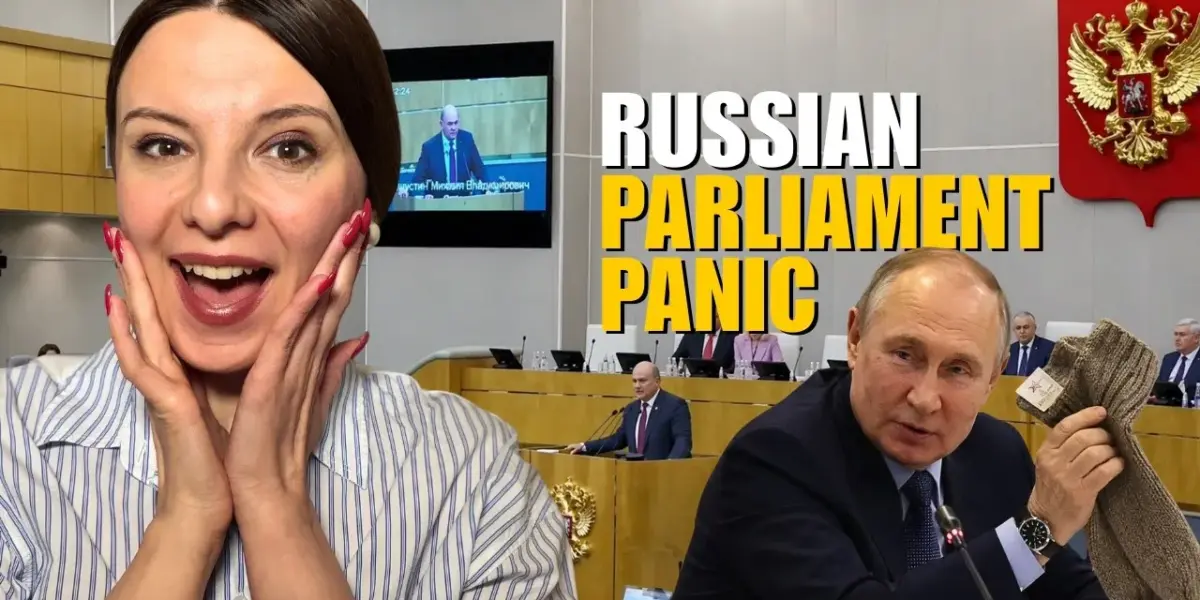
Duma Deputies Express Growing Unease Over Putin’s Grip
Political tensions are rising within Russia’s parliament, the Duma, as more deputies reportedly grow hesitant to remain aligned with President Vladimir Putin’s administration. This internal dissent signals a potential crack in the ruling structure, driven by widespread dissatisfaction with the ongoing conflict in Ukraine and its domestic consequences.
The leader of the Russian Communist Party, Gennady Zyuganov, recently issued a stark warning about an impending revolution. His speech, which drew mockery online for its unusual nature coming from a Communist leader, invoked the specter of the 1917 revolution, suggesting a potential repeat in 2026. This historical parallel highlights deep-seated anxieties about societal unrest brewing within Russia.
Putin’s Rhetoric Sparks Anger, Nervousness
President Putin’s recent public addresses, particularly his interactions with journalists, have reportedly fueled anger and nervousness among various political figures. Instead of addressing critical issues affecting millions of Russians, his speeches have veered into what many perceive as nonsensical comparisons and diversions.
In one notable address, Putin drew parallels between the current situation in 2026 and 1941, the year the Soviet Union entered World War II. This comparison comes as a clear reminder that the war in Ukraine, initially framed as a measure to protect Russia’s borders and create a buffer zone, appears to be pushing that buffer zone onto Russian territory itself. The disconnect between Putin’s rhetoric about national unity and grandmothers knitting socks for soldiers, and the reality of widespread poverty, internet shutdowns, and the war’s presence on their doorstep, is increasingly evident to ordinary Russians.
Explosions on Russian Soil Underscore War’s Reality
Recent explosions targeting key oil export terminals in Russia have brought the war’s reality directly to the nation’s doorstep. Vivid imagery of fires, explosions, and smoke, even described as ‘oil rain,’ has circulated widely, leaving Russians to confront the tangible impact of the conflict on their own territory.
These events are particularly significant as they occur in regions like Tuapse, a vital hub for Russian oil exports. The visible destruction and disruption at these energy facilities serve as a potent symbol of the war’s reach, countering official narratives and fostering a sense of vulnerability among the population. It underscores how the conflict is no longer a distant event but a present danger impacting Russian infrastructure.
Ukraine’s Strength Contrasts With Perceived Russian Decline
From Ukraine’s perspective, the nation is reportedly growing stronger daily, while President Putin is perceived as becoming increasingly erratic. This dynamic fuels questions about the potential for internal revolution within Russia, driven by a populace grappling with escalating problems.
The Communist Party leader’s warning about revolution echoes a sentiment of deep dissatisfaction. The Kremlin’s apparent inability to effectively comment on or address attacks on Russian military sites deep inside Russian territory, alongside the destruction of oil facilities, is reportedly frightening not only ordinary citizens but also Duma deputies. These officials may fear facing the backlash of a population that has witnessed the war escalate onto their own soil.
Historical Parallels and Russian Protest Culture
The historical context of Russian protests is crucial to understanding the current fears. Unlike the democratic protests seen in many Western nations, Russian demonstrations have historically tended to turn violent, a pattern exemplified by the events of 1917. This legacy contributes to the anxiety surrounding any potential widespread public dissent.
The current situation is characterized by a stark contrast between the official narrative and the lived experiences of many Russians. While Putin speaks of national unity and historical resilience, the population faces economic hardship and the direct consequences of war. This growing disconnect appears to be fueling a dangerous internal dynamic that could challenge the stability of the current regime.
Strategic Implications: A Shifting Battlefield and Internal Pressure
The reported attacks on Russian oil infrastructure, such as the terminals in Primorsk and Tuapse, carry significant strategic weight. These facilities are critical for Russia’s oil exports, a major source of national revenue. Disrupting these operations can impact Russia’s ability to fund its war effort and maintain its economic stability.
The fact that these attacks are occurring deep within Russian territory signifies a shift in the conflict’s dynamics. It demonstrates Ukraine’s growing capability to project power beyond the immediate front lines, forcing Russia to divert resources to defend its own territory. This development challenges the initial Russian objective of creating a buffer zone and instead suggests such a zone is forming on Russian soil.
Public Perception and the ‘Buffering Zone’ Narrative
Russians are increasingly aware that the ‘buffering zone’ Putin speaks of is being created on their own territory, not as a shield, but as a consequence of the war. The initial justifications for the ‘special military operation’ are now being questioned as the conflict’s effects become undeniable at home.
While the Russian government may attempt to control information, the widespread use of VPNs allows many citizens to access external news and perspectives. This access enables them to see the contrast between official pronouncements and the reality of explosions, economic strain, and the war’s impact on daily life. The frustration over internet restrictions and rising prices, coupled with the visible destruction, creates a fertile ground for discontent.
Ukraine’s Resilience and Russia’s Internal Challenges
Ukraine continues to develop its own weapons systems, including the reported mass production of ‘Flamingo’ missiles and ballistic missiles. This growing indigenous defense capability reduces reliance on external aid and enhances Ukraine’s ability to strike targets within Russia, potentially reaching critical infrastructure and government centers.
The internal challenges facing Russia are complex. Beyond the military setbacks and infrastructure attacks, there is a growing sense of disconnect between the leadership and the populace. The government’s inability to provide clear explanations or solutions for mounting problems, while focusing on historical narratives, is perceived as a sign of weakness and a lack of understanding of the people’s concerns.
The Specter of ‘Bunt’ and Public Discontent
The term ‘bunt’ is used to describe a form of unrest that is more aggressive and less ideological than a revolution, driven primarily by hunger and anger. This is the type of discontent reportedly brewing within Russia, fueled by the lack of clear communication and reassurance from the leadership.
As ordinary Russians observe fires, explosions, and rising prices without adequate explanation or apparent solutions from their leaders, the pressure intensifies. The contrast with Ukraine, where there is reportedly an open dialogue about problems and a shared understanding of the situation, further highlights the perceived disconnect within Russia. The upcoming conscription also adds to the widespread anxiety and dissatisfaction.
Conclusion: A Nation at a Crossroads
The combination of battlefield pressures, economic strains, and a perceived lack of governmental transparency is creating a volatile situation within Russia. The Duma’s reported fears of revolution, coupled with the public’s growing awareness of the war’s impact at home, suggest a nation at a critical juncture.
The coming months will likely reveal whether these internal pressures translate into significant political change or societal upheaval. The focus remains on Ukraine’s continued efforts to demilitarize Russia and the Russian populace’s response to the escalating realities of the conflict.
Source: PUTIN TALKS ABOUT SOCKS: RUSSIAN PARLIAMENT FEARS REVOLUTION Vlog 1387: War in Ukraine (YouTube)

Related Articles

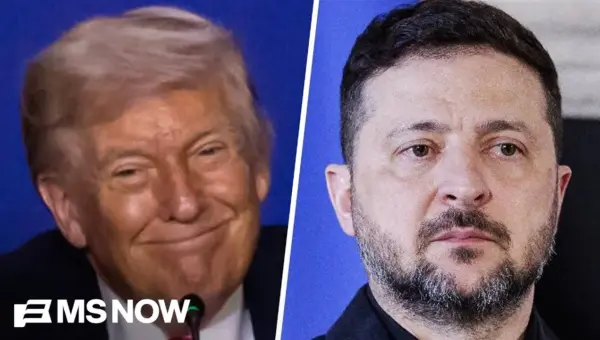
Ukraine Eyes ‘Donnyland’ Rename to Win Trump’s Support
Some Ukrainian officials are reportedly considering renaming a portion of the Donbas region 'Donnyland' in an effort to win favor and aid from former U.S. President Donald Trump. This unconventional strategy is inspired by past instances where naming conventions or gifts appeared to influence Trump's decisions. The move highlights Ukraine's urgent need for support in its ongoing conflict with Russia.

Trump’s Iran Deal: A War Risk for Obama’s Outcome?
President Trump sought a tougher Iran deal than Obama's, but recent events suggest he may end up with a similar outcome. The breakdown in communication and Iran's perception of US aggression complicate negotiations.
Russia Tests NATO Resolve with Baltic Air Show
Russia has conducted provocative military flights over the Baltic Sea, prompting NATO to scramble jets. This action is seen as a political maneuver to project strength amid internal struggles and battlefield setbacks in Ukraine. The move highlights Russia's reliance on information warfare and hybrid tactics as its conventional military faces significant challenges.