Germany Aims for Europe’s Strongest Army Amid Global Threats
Germany is set to build Europe's strongest conventional army, increasing its forces to 260,000 active soldiers and 200,000 reservists. This move, driven by threats from Russia and potential shifts in U.S. European commitments, prioritizes advanced capabilities like drones and cyber defense. The new strategy aims to bolster Germany's role in NATO and ensure European security.

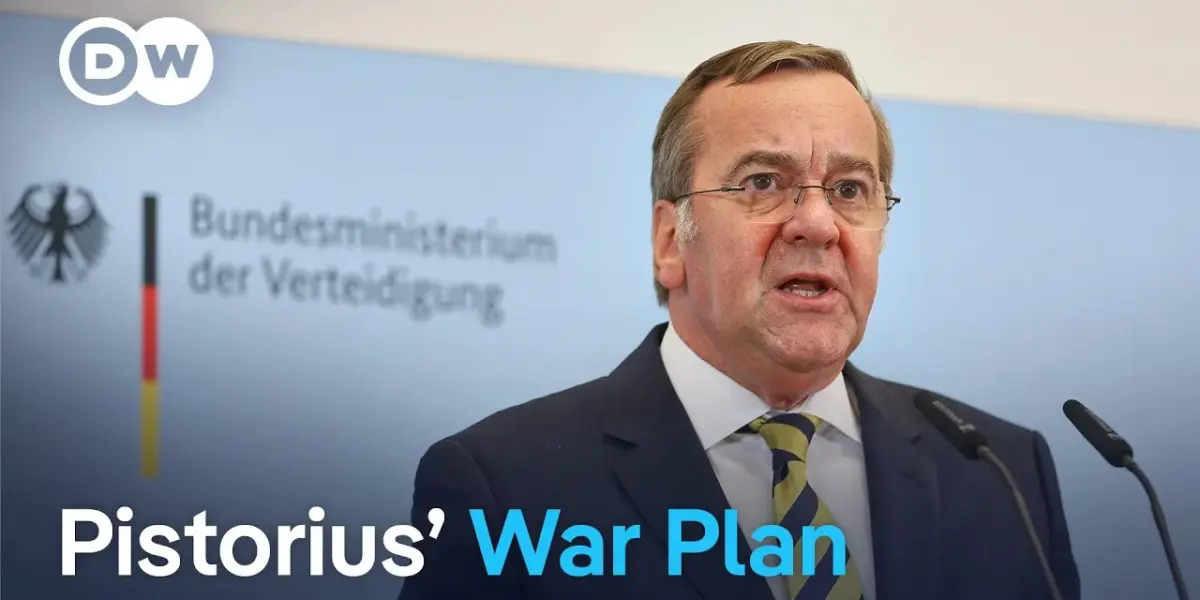
Germany Plans Europe’s Strongest Army
Germany’s defense minister, Boris Pistorius, has announced ambitious plans to build what he calls the strongest conventional army in Europe. This national military strategy, presented for the first time with other defense officials, aims to boost Germany’s defense capabilities in response to a more dangerous world. The invasion of Ukraine by Russia is a major factor driving these changes.
Minister Pistorius stated that the Kremlin is actively creating conditions for potential attacks on NATO states. These threats include hybrid operations like sabotage, cyberattacks, and disinformation campaigns.
New Military Strategy Unveiled
While some details remain classified, the strategy outlines significant goals for the German armed forces, known as the Bundeswehr. A key objective is a substantial increase in personnel, aiming for a total of 460,000 operational personnel. This number includes both active service members and reservists.
The plan also acknowledges the growing impact of automation and artificial intelligence on military planning. Questions about the exact number of soldiers needed and their required qualifications are being addressed.
Expanding the Force
The plan involves a significant expansion of the Bundeswehr. The force is set to grow from its current size of 185,000 soldiers to 260,000 active personnel. Germany aims to build a massive reserve force of 200,000 troops.
This combined effort would result in a total of 460,000 deployable soldiers. This expansion represents a build-up not seen in decades.
Shifting Focus to Impact
Germany’s new military strategy marks a shift from simply counting military assets, like tanks, to focusing on operational impact and effectiveness. The Bundeswehr will prioritize capabilities such as long-range precision strikes, advanced air and missile defense systems, drones, and cyber warfare.
The strategy also includes measures to cut bureaucratic red tape and modernize the army’s internal processes. For example, all internal rules will now have a one-year review period, and any rule found to be unhelpful will be removed.
Addressing the Russian Threat
The new military strategy is heavily influenced by the perceived threat from Russia. Mentioning Russia explicitly as a justification for rearmament has been a point of discussion. The German government aims to deter Russia by demonstrating strength.
They are preparing for a scenario where Russia could potentially attack NATO territory, not just Ukraine, by 2029. Germany wants to send a clear message to Moscow that any such aggression would be met with a strong response.
Germany’s Role in NATO
Germany intends to provide core land forces for NATO and Europe. The country plans to invest heavily in air defense capabilities.
This aligns with a broader approach, referred to as a “one theater approach,” which links Europe, the Middle East, and the Indo-Pacific. The goal is to become more agile and capable of responding coherently to global threats and challenges.
A Historic Military Strategy
This document is the first-ever formal military strategy for the Bundeswehr. While Germany has had broader security guidelines and individual policy papers before, Defense Minister Pistorius emphasized the necessity of a dedicated military strategy in the current historical phase.
The full-scale invasion of Ukraine by Russia four years ago has fundamentally changed political thinking in Berlin. Old assumptions have been shattered, and there is now a clear demand for a long-term blueprint for rebuilding the armed forces.
Shifting Alliances and Responsibilities
The timing of this announcement is significant, as the United States is looking to reduce its commitment in Europe. Germany and its European partners are considering how they can compensate for this potential reduction in U.S. involvement.
While classified documents discuss various scenarios, including the possibility of the U.S. potentially becoming an adversary, it is clear that Berlin recognizes the need to shoulder more of Europe’s defense responsibilities. This strategic shift aims to ensure European security even with reduced U.S. engagement.
What’s Next?
Germany’s commitment to building a stronger military signals a significant shift in its defense policy. The focus now is on implementing the outlined strategy, which includes increasing troop numbers, enhancing technological capabilities, and streamlining military processes. The coming years will be crucial in observing how Germany successfully rebuilds its armed forces and fulfills its role as a leading defense power within Europe and NATO.
Source: How does Germany intend to build Europe’s strongest army? | DW News (YouTube)

Related Articles

Europe Boosts Defense, UK Sends Drones to Ukraine
Europe is significantly increasing its defense spending and readiness, with the UK sending drones to Ukraine. Meanwhile, Pope Francis continues to call for peace amid global conflicts, drawing criticism from Donald Trump. U.S.-Iran nuclear negotiations are ongoing, with both sides making tentative proposals.
Ukraine Strikes Oil Sector, Disrupts Russian Artillery
Ukraine is striking Russia's oil sector, causing significant financial losses, and targeting ammunition trucks to disrupt artillery fire. Meanwhile, Russia faces economic strain and potential internal unrest. European nations are discussing developing their own anti-ballistic missile system.
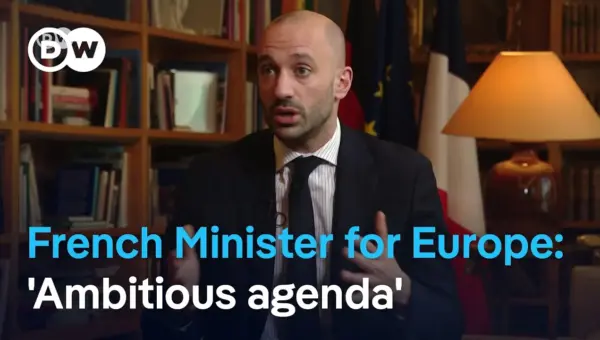
France Urges Ambitious EU Agenda Amid Global Challenges
France is advocating for a more unified and ambitious European Union, urging stronger defense capabilities and a unified voice in global affairs. Minister Delegate Jean-Baptiste Barra Hadad highlighted the need for increased cooperation between France and Germany to address geopolitical challenges, including Russia's aggression and trade pressures. He also stressed that EU enlargement is a geopolitical necessity, provided it remains demanding and merit-based.