Fox News Spins Falsehoods as Trump’s Iran Deal Collapses
Donald Trump's Iran deal efforts reportedly collapsed, leading to conflicting narratives from media outlets. While some promoted a strong negotiation, others claim the deal failed due to Trump's actions, with Fox News accused of spreading false information about a coup in Iran to mask the outcome.

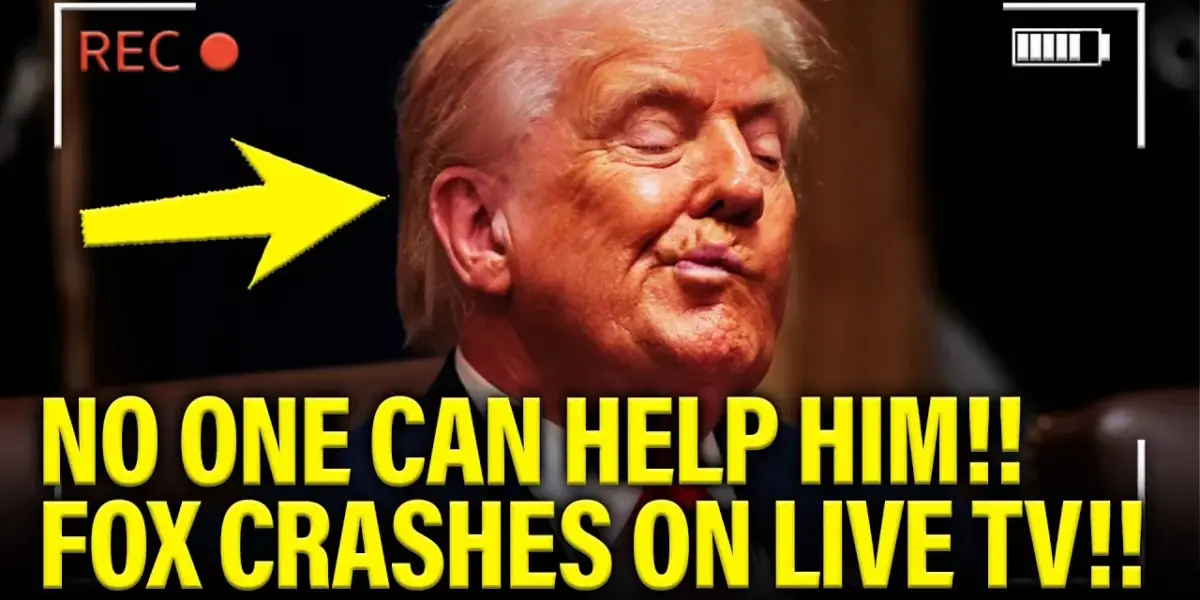
Fox News Spins Falsehoods as Trump’s Iran Deal Collapses
Donald Trump’s attempt to secure a deal with Iran ahead of a ceasefire deadline appears to have fallen apart. Trump initially issued a strong warning to Iran, threatening to destroy their infrastructure if a negotiation deal wasn’t reached in Islamabad, Pakistan, before the ceasefire expired. Iran responded by stating they would not negotiate under threat and demanded the removal of a naval blockade in the Persian Gulf.
Trump refused to meet Iran’s demands, leading Iran to refuse to attend the talks. Pakistan, acting as an intermediary, informed Trump that Iran would not show up while the blockade and threats continued.
Trump was then faced with a choice: escalate the conflict, extend the ceasefire, or concede. He chose to extend the ceasefire indefinitely, claiming it was because of disarray and a lack of leadership in Iran, and that the U.S. was waiting for Iran’s counter-proposal.
Iran’s Stated Position Contrasts With Trump’s Claims
Iran, however, stated they had already presented a unified plan: the 10-point framework that Trump had previously agreed to before the ceasefire began. Iran’s foreign minister later posted that blockading Iranian ports was an act of war and a violation of the ceasefire. Iran’s media outlets echoed this, calling the blockade continued hostility and stating they would end it by force if necessary.
According to reports, top generals, admirals, and NATO leaders viewed Trump’s actions as erratic and making diplomacy difficult. Despite Trump’s claims of a successful negotiation strategy, Iran’s leadership indicated that Trump’s ceasefire extension meant nothing and that the losing side could not dictate terms. They saw the extension as a ploy to buy time for a surprise strike.
Fox News’s Narrative Shift Amidst Deal Failure
Fox News, which had previously promoted Trump as a strong negotiator playing “4D chess,” found itself in a difficult position. As the deal collapsed, the network reportedly struggled to explain the outcome to its viewers. The Midas Touch Network, in contrast, focused on what they called objective facts, reporting that Trump was improvising and misrepresenting the situation.
In an apparent effort to deflect from the failed negotiation, Fox News host Jesse Waters presented a segment that the Midas Touch Network described as entirely fictitious. Waters claimed a coup was underway in Iran, that the Ayatollah was gay, and that the Iranian Revolutionary Guard had taken him and other leaders hostage, thus preventing negotiations. This narrative was presented as the reason for the failed talks, shifting blame away from Trump’s actions.
Fact-Checking the Fox News Claims
The Midas Touch Network strongly refuted Waters’ claims, stating that no coup had occurred and that the assertions about generals blocking peace talks or holding negotiators hostage were false. They pointed to reports from established news organizations like the Wall Street Journal and the New York Times, which indicated that international military leaders found Trump’s approach to be erratic.
The network also highlighted past instances where Fox News faced scrutiny for spreading misinformation, referencing the Dominion lawsuit where the network had to pay a large settlement. They suggested that the approach taken by some Fox hosts, including the fabricated coup story, aimed to manipulate their audience by presenting untrue narratives.
Geopolitical Implications and China’s Role
The analysis also touched upon broader geopolitical implications. The narrative presented by Waters suggested that Trump’s actions had weakened China, North Korea, and Russia, and that Chinese leader Xi Jinping was losing allies. However, the Midas Touch Network argued the opposite, stating that China was perceived as a more stable actor and was benefiting from U.S. missteps.
They suggested that China was quietly supporting Iran and that other countries viewed China more favorably than the United States. The report concluded by citing an exchange where Iran’s media company sarcastically commented on Trump’s strategy, suggesting that by backing down, he had paradoxically put America in a stronger bargaining position, a sentiment echoed by Ron Philipsky, editor-in-chief of the Midas Touch Network.
Why This Matters
This situation highlights the critical role of media in shaping public perception during international crises. When a major news outlet like Fox News presents a narrative that is later disputed by verifiable reports and the statements of involved parties, it can obscure the reality of diplomatic failures and potentially mislead the public about the reasons behind international tensions. The discrepancy between Trump’s stated reasons for extending the ceasefire and Iran’s public statements raises serious questions about transparency and the accuracy of information being disseminated.
Trends and Future Outlook
The incident highlights a growing trend of media outlets promoting distinct, often conflicting, narratives about foreign policy events. This can lead to a polarized understanding of complex international relations, making it harder for citizens to form informed opinions. The reliance on alleged internal coup scenarios or exaggerated geopolitical victories, as described in the Fox News segment, suggests a strategy to maintain viewer engagement through sensationalism rather than objective reporting.
The future outlook suggests a continued struggle for accurate information, especially in highly charged political environments. The effectiveness of fabricated narratives, as alleged by the Midas Touch Network, depends on the audience’s trust in the source and their willingness to accept claims that contradict verifiable facts. The long-term impact of such reporting on public trust and foreign policy understanding remains a significant concern.
Historical Context
The use of media to shape public opinion during international conflicts is not new. Throughout history, governments and media outlets have employed various tactics, from propaganda to selective reporting, to garner support for their policies or to demonize adversaries. The current situation, however, is amplified by the speed and reach of digital media, allowing for the rapid dissemination of narratives, whether factual or not.
The context of U.S.-Iran relations is also important. Decades of complex interactions, including sanctions, diplomatic standoffs, and military tensions, have created a backdrop where any negotiation or escalation is closely watched. The specific details of the ceasefire, the 10-point framework, and the naval blockade are crucial elements that, when obscured by conflicting narratives, can prevent a clear understanding of the conflict’s dynamics.
Conclusion
As of the latest reports, Iran’s official stance indicates no willingness to negotiate under the current conditions, directly contradicting the narrative of imminent progress presented by some media outlets. The events surrounding the expired ceasefire and the subsequent media coverage demonstrate a significant divergence between official statements and the interpretation offered by certain news organizations, leaving the public to navigate a complex and often misleading information environment.
Source: Trump LOSES CONTROL of WAR as FOX Can’t HELP!!! (YouTube)

Related Articles


Iran Attacks Ships, Virginia Redistricting Sparks Political Firestorm
Iran has launched new attacks on ships in the Strait of Hormuz, disrupting peace talks with the U.S. Meanwhile, Virginia voters approved a redistricting plan that could shift the balance of power in Congress. Tense hearings on Capitol Hill saw President Trump's Federal Reserve nominee questioned, and Health Secretary Robert F. Kennedy Jr. faced scrutiny over vaccines.


Trump Allies Fear His Backfire Effect on Redistricting
Virginia voters narrowly approved a Democrat-backed redistricting plan, potentially shifting House seats significantly. Allies of Donald Trump reportedly fear his attempts to counter this move will backfire, making things worse for the Republican party. This win is part of broader Democratic successes despite claims of unpopularity, as polls show voters often prefer Democrats even when unhappy with both parties.

Trump’s Iran Stance: Bold Strategy or Tactical Retreat?
The debate over Donald Trump's handling of Iran centers on whether his extension of a ceasefire was a strategic masterstroke or a sign of weakness. Supporters argue he's playing a long game, leveraging Iran's economic woes for a better deal. Critics contend this approach forfeits crucial leverage, allowing Iran to delay indefinitely.