Geraldo Rivera’s Bold Claims on Politics and Pop Culture
Veteran journalist Geraldo Rivera weighs in on cultural divides highlighted by a Turning Point USA event, critiques political interview strategies, and debates the use of federal forces in cities. His sharp takes offer a look at current political and cultural tensions.

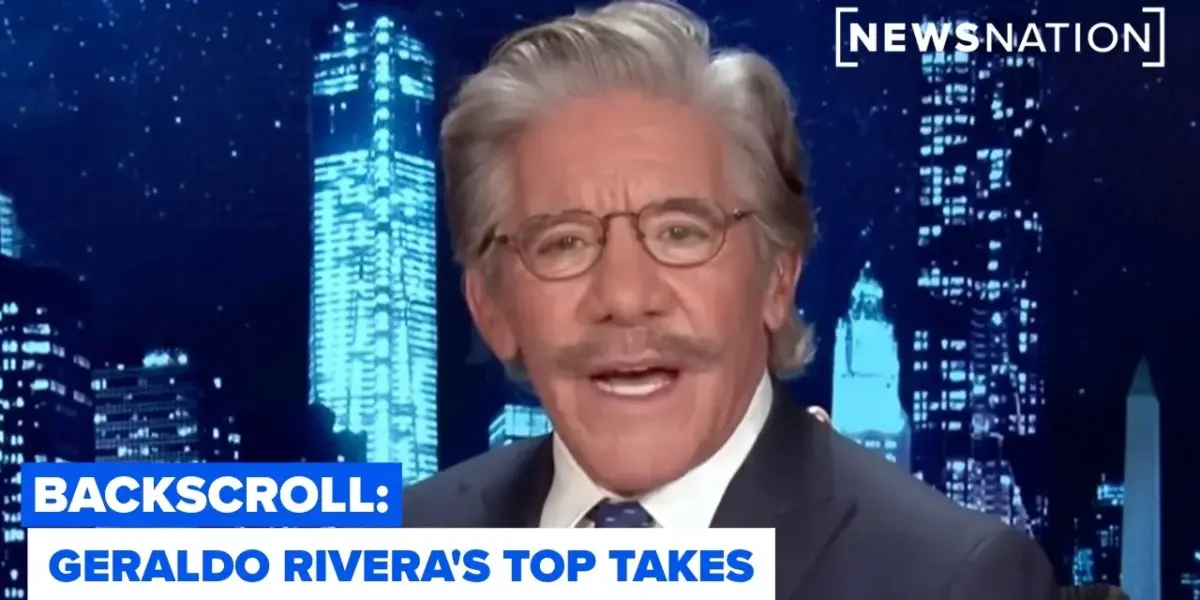
Geraldo Rivera’s Bold Claims on Politics and Pop Culture
Geraldo Rivera, a veteran journalist known for his sharp takes, recently shared his opinions on several hot topics, including a Turning Point USA event, political interviews, and military deployment. His comments offer a glimpse into his views on cultural divides, political strategy, and public safety.
The Turning Point USA Halftime Show Debate
Rivera discussed the attention drawn by Turning Point USA’s (TPUSA) “All-American Halftime Show,” comparing it to past alternative Super Bowl performances. He noted that the event, featuring Kid Rock, was seen by some as a reaction to the popularity of artists like Bad Bunny, who represent a different cultural perspective. Rivera suggested that the large audience, potentially reaching 25 million viewers, indicates a significant advertising revenue stream that will likely lead to more such alternatives in the future.
While acknowledging the business aspect, Rivera emphasized his concern from a political standpoint. He questioned the purpose and statement behind TPUSA’s event, suggesting it created division. He defended Bad Bunny as a terrific performer with global appeal, questioning why TPUSA chose to challenge this particular artist.
Andrew Kolb, a TPUSA spokesperson, countered that they were not trying to pick a fight or sow division but were responding to a demand for an alternative. He mentioned that comments from TPUSA founder Charlie Kirk dating back to 2012 showed a previous skepticism towards Spanish-language music on major stages.
Critique of a High-Profile Political Interview
Rivera also offered a pointed critique of a major political interview, likely referring to Vice President Kamala Harris’s appearance on Fox News. He expressed bewilderment at the perceived lack of preparation for questions on immigration, a topic he called obvious and predictable.
Rivera felt the interviewee missed an opportunity to address the issue effectively, especially when faced with the Republican strategy of highlighting victims of crimes committed by undocumented immigrants. He cited the father of Lincoln Riley, a victim, who felt his daughter’s name was being used politically.
Rivera advised the interviewee’s team to stop being a “doormat” on immigration, calling it the Democrats’ biggest weakness. He suggested that Donald Trump’s potential success could largely be due to this issue.
Sean Spicer, also commenting on the interview, largely agreed, stating that the interviewee failed to impress or change perceptions, even among a potentially curious Fox News audience. He pointed to other instances, like an answer on The View about Biden’s performance, as missed opportunities.
Debate on Military Deployment in U.S. Cities
A significant portion of the discussion revolved around the deployment of federal law enforcement and military personnel in American cities, particularly Washington D.C. Rivera argued that the Metropolitan Police Department in D.C. Had embraced the emergency deployment, with some feeling it was overdue.
He described D.C. As having been a “cesspool” for a long time, reminiscent of a neglected airport. While generally agreeing that the military shouldn’t be used for law enforcement, he differentiated between them and the National Guard, seeing the latter as citizen soldiers meant to calm and project presence.
Brian, another participant, strongly disagreed, emphasizing that American troops are not trained for domestic law enforcement and questioning the accountability of the commander-in-chief. He cited instances where the Trump administration allegedly sought to use force against protesters. He pointed to police officers as the appropriate personnel for maintaining order.
Rivera countered by highlighting the high homicide rates in D.C. And other cities, arguing that when “100 dead people” are a reality, extraordinary measures might be necessary. He questioned whether citizens would prefer seeing a military guard or facing potential violence.
Review of Presidential Actions and Cultural Institutions
The conversation also touched upon former President Donald Trump’s involvement with cultural institutions like the Kennedy Center Honors and the Smithsonian. Brian suggested that Trump’s focus on these events was a distraction from more pressing issues like healthcare and inflation, calling it an “optics of opulence.” He felt Trump was more interested in self-aggrandizement than substantive policy.
Rivera, however, saw potential benefit in Trump’s involvement, arguing that he had won the election and had the right to put his imprint on American life. He suggested that Trump might be trying to open these institutions to a broader segment of the population, including those who feel left out by traditional honorees. He framed the opposition as part of a “failure of the woke left,” implying that critics were resistant to Trump’s influence and his supporters.
Analysis of a Vice Presidential Debate
In a final segment, Rivera offered his take on a vice presidential debate, identifying J.D. Vance as the winner over Tim Walz. Rivera explained that Vance succeeded by not fitting the negative stereotype often portrayed by the media.
He felt Vance demonstrated an ability to moderate his tone and appear statesmanlike, making him a more compelling candidate for the role of Vice President. He suggested Vance propelled himself forward, much like past debaters who defied expectations.
Rivera noted that while Walz was sincere and strong on issues like January 6th and abortion, he appeared like a “substitute teacher” against Vance. Vance, in contrast, emerged “unscathed,” showing he could appeal to a broader audience beyond the typical MAGA base. Rivera concluded that Vance proved himself capable of filling a significant national role, even if he personally disagreed with many of Vance’s policies.
Why This Matters
Geraldo Rivera’s commentary highlights several key tensions in contemporary American society. His views on the TPUSA event and Bad Bunny highlight the ongoing cultural debates, particularly concerning representation and identity.
The critique of the political interview and the discussion on immigration reveal the high stakes of political communication and the challenges facing the current administration in addressing a critical issue. The debate over military deployment in cities speaks to anxieties about public safety versus civil liberties, and the role of federal power.
Rivera’s analysis of Trump’s engagement with cultural institutions and his assessment of the vice presidential debate point to the shifting political landscape and the strategies employed by different factions. His willingness to challenge conventional narratives and offer strong opinions, even on subjects where he might personally disagree with the outcome, makes his commentary a significant, albeit sometimes controversial, part of the public discourse.
Implications and Future Outlook
The rise of alternative media events like TPUSA’s halftime show suggests a growing appetite for content that caters to specific political and cultural viewpoints, potentially fragmenting the audience and advertising market. The effectiveness of political messaging, especially on contentious issues like immigration, will continue to be a crucial factor in electoral outcomes. The debate over federal intervention in cities reflects a broader societal struggle to balance security concerns with constitutional rights.
As political figures navigate these complex issues, their ability to communicate clearly and credibly, as Rivera argued was lacking in one interview, will be paramount. The upcoming political cycles will likely see continued emphasis on cultural signaling and debates over national identity, alongside persistent concerns about public safety and economic stability. Rivera’s own departure from Fox News after 23 years also signals potential shifts in media personalities and their platforms, suggesting that even seasoned commentators are adapting to a changing media environment.
Historical Context
Rivera’s career spans decades, from his early days as an investigative reporter to his current role as a correspondent. His commentary often draws on this extensive experience, referencing past political events and cultural moments.
His views on immigration, for instance, are informed by years of reporting on the issue. Similarly, his analysis of political debates reflects a long-standing understanding of how candidates position themselves for national office.
The discussion about using the military in cities has historical parallels, particularly concerning the National Guard’s role in civil unrest. The debate over cultural representation, seen in the Bad Bunny example, has roots in broader conversations about diversity and inclusion that have evolved over decades. Rivera’s willingness to engage with these topics, even when they are divisive, connects his current commentary to a long tradition of journalistic inquiry and public debate.
Source: Geraldo's top takes: Fox exit, Bad Bunny, ICE shooting | Backscroll (YouTube)

Related Articles
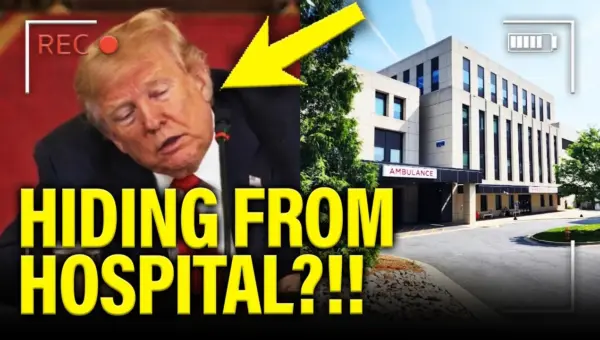
Trump’s Missing Physical Sparks Health Speculation
Donald Trump's annual physical exam for 2026 is missing or being hidden, sparking concerns. This follows a history of confusing statements about his health. Even right-wing media are now questioning his mental and physical state.
Trump’s Health Concerns Mount Amid Missed Physical
Concerns are mounting over Donald Trump's health as he appears to have missed his annual physical. His recent behavior, described as erratic and showing signs of cognitive decline, has drawn sharp criticism from various media outlets, fueling speculation about his fitness for leadership.
GOP Pushes $70B Border Funding, Sidelines Democrats
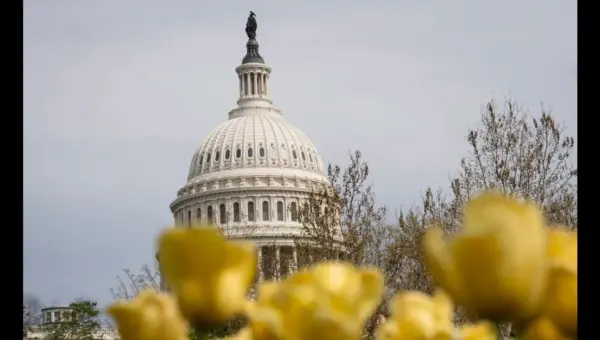
Senate Republicans are pushing forward with a $70 billion budget plan for ICE and Border Patrol, using a special process to bypass Democrats. This move highlights deep divisions over immigration policy and funding. The bill's passage could reshape how these agencies are funded and operate.