Trump’s Health Concerns Mount Amid Missed Physical
Concerns are mounting over Donald Trump's health as he appears to have missed his annual physical. His recent behavior, described as erratic and showing signs of cognitive decline, has drawn sharp criticism from various media outlets, fueling speculation about his fitness for leadership.

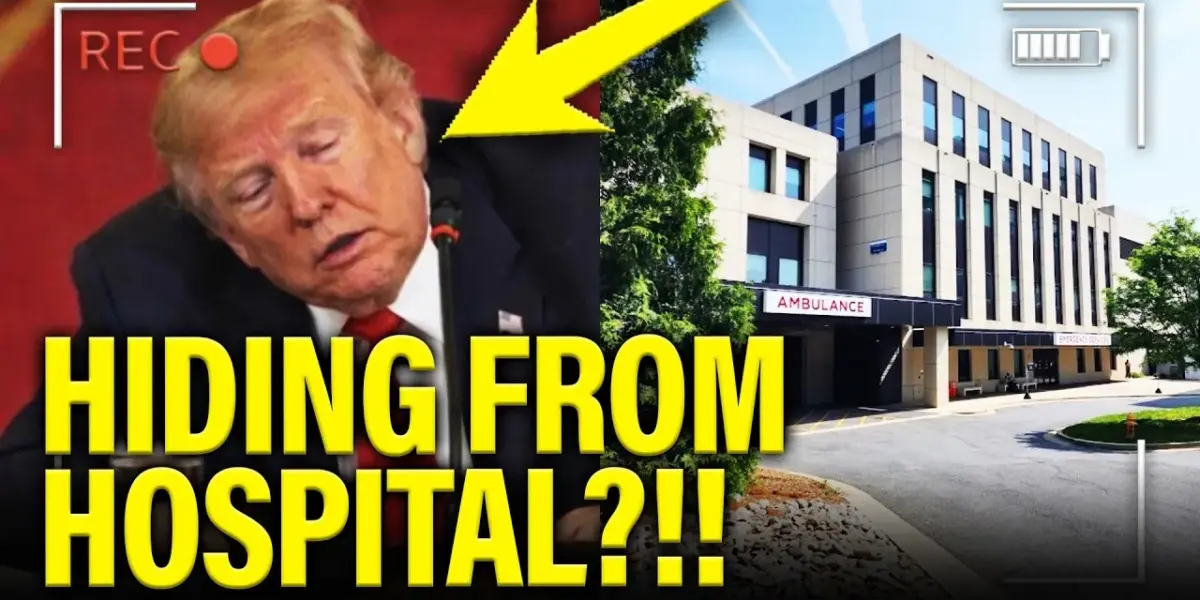
Trump’s Health Concerns Mount Amid Missed Physical
Donald Trump appears to have skipped his annual physical this year, raising questions about his health. His last known physical was in April 2025. This comes as his behavior over the past 12 hours has drawn sharp criticism, even from right-wing media outlets that have labeled him as erratic.
In October 2025, Trump claimed to have had a semiannual physical, stating he undergoes these exams every six months. Regardless of the frequency, his annual physical was due in April 2026.
White House traditions usually involve announcing the date of such physicals at Walter Reed and releasing the results. However, no such announcement has been made, and Trump, who often discusses his cognitive exams, has remained silent on this one.
Growing Alarm in Media
Commentators like Tom Joseph have described Trump as being “on his last legs,” using terms such as “slurring,” “weak,” “insane,” and “carcass-like.” These descriptions paint a picture of physical deterioration. The Washington Examiner, a conservative publication, ran a headline stating, “Donald Trump is losing his mind.” This sentiment highlights a growing concern about his mental and physical state.
The Examiner’s opinion piece suggested that if any other leader exhibited similar behavior, such as making erratic statements in the early hours or threatening global stability, the reaction would be severe. The article noted that a 79-year-old man, long associated with chaos, now seems consumed by it. His episodes are reportedly becoming more frequent, with fewer good days in between, suggesting a loss of self-control that is apparent to those around him.
The tragedy is no longer Trump’s. It is now America’s.
He is insane. He has lost his mind.
Erratic Behavior and Public Statements
Trump’s recent actions have fueled these concerns. He posted AI-generated images of himself as Jesus and attacked the Pope.
He also released videos of himself reading Bible verses, appearing to slur his words and struggling to get through sentences. This behavior has been described as odd and strange by observers.
Adding to the confusion, Trump called CNBC to discuss how he would have won the Vietnam War quickly if he had been president, despite having received five draft deferments for the war. He also claimed he could have taken over Venezuela in 45 minutes. These statements, made on a business network, have been widely questioned and mocked.
Expert and Public Opinion
Comedians and political commentators have weighed in on Trump’s perceived cognitive decline. George Lopez used an analogy about a restaurant worker with cognitive decline not being allowed near sharp knives, questioning why someone with similar issues would be in a leadership position. George Galloway suggested Trump is experiencing rapid cognitive decline, possibly dementia, combined with “low cunning,” which he finds a dangerous mix.
Illinois Governor JB Pritzker has also spoken about Trump’s declining health, believing he has serious dementia. He observed that Trump often seems unsure of what he is saying, makes contradictory statements, and struggles to think things through. This pattern of behavior, according to Pritzker, suggests a significant cognitive issue.
Paranoid Delusions and Fabricated Claims
Trump has also been posting numerous claims online that appear to be fabricated. He shared theories about the Director of National Intelligence stating Democrats changed impeachment standards for him, calling it “treason.” He also posted a supposed email exchange suggesting CIA officials plotted to overthrow the US government and that “51 spies” were caught plotting a coup, with claims of burying Hunter Biden’s laptop to protect Joe Biden.
These posts have been called “utterly deranged” and “delusional.” Another posting suggested Trump has been preparing for a war with Iran for over 40 years. He also wrote about conversations he supposedly had, where men with tears in their eyes told him he was the most handsome and urged him to “obliterate them.” These invented dialogues have also drawn ridicule.
Family History and Medical Observations
Dr. Vin Gupta of the Midas Health Network pointed out that Trump has a family history of age-related dementia, noting that his father, Fred Trump, experienced cognitive decline. Gupta observed similarities between Trump’s current signs and what his father went through, a view echoed by Mary Trump and other family members. While not having direct access to Trump’s medical data, Gupta stated that these observations are what everyone is seeing, and that scrutiny of the President’s health is fair.
The continued absence of an announced physical and the ongoing concerns about Trump’s behavior suggest that his health will remain a significant topic of public discussion and media attention. Observers are watching closely for any updates regarding his scheduled medical examinations.
Why This Matters
The health and cognitive state of a national leader are paramount to the stability and decision-making of a country. When a leader’s physical and mental fitness are in question, it can impact everything from foreign policy to domestic affairs. Concerns about Donald Trump’s health, amplified by his missed annual physical and public statements, raise serious questions about his ability to effectively lead and make sound judgments during critical times.
This situation is particularly important because it involves a former and potentially future president. The public has a right to know about the health of their leaders, especially when those leaders hold or seek positions of significant power. The lack of transparency surrounding his physical exam, coupled with increasingly erratic public behavior, creates an environment of uncertainty and distrust, which can have far-reaching consequences for national security and public confidence.
Implications, Trends, and Future Outlook
The trend observed here is a growing public and media scrutiny of political leaders’ health, especially concerning cognitive function. This scrutiny is amplified by social media, where every statement and action can be instantly analyzed and debated. The unusual behavior and missed appointments, if they continue, could set a precedent for how future leaders’ health is discussed and reported on.
Looking ahead, the focus will likely remain on any official statements from Trump’s team regarding his physical and any further public appearances. The political implications are significant, as questions about fitness can influence voter perception and campaign strategies. The public’s demand for transparency regarding leaders’ health is likely to increase, pushing for more open communication from presidential candidates and officeholders.
Historical Context and Background
Historically, the health of presidents has often been a subject of public interest, but also sometimes kept private. For example, Woodrow Wilson’s debilitating stroke was largely concealed from the public during his second term.
More recently, the health of presidents like Ronald Reagan and John F. Kennedy was also a topic of discussion, but with varying degrees of transparency.
The current situation with Donald Trump differs in that his public persona and frequent social media use mean that any perceived change in his condition is immediately visible and widely discussed. The emphasis on cognitive tests by candidates and presidents themselves has also raised public awareness and expectations regarding mental acuity in leadership. The lack of a scheduled and announced physical this year stands out against this backdrop of heightened awareness and scrutiny.
Source: Trump MISSES Hospital Visit as HEALTH CRASHES?!! (YouTube)

Related Articles
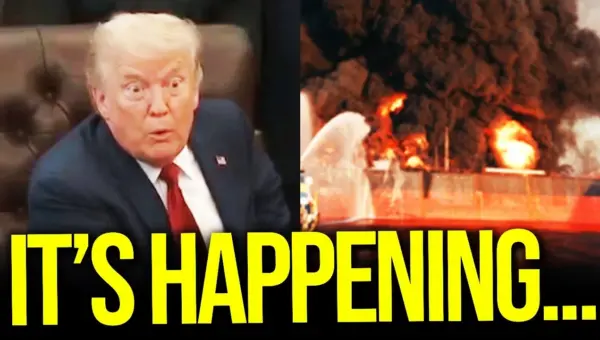
Iran Attacks Ships: Trump’s Ceasefire Humiliates US
Iran's recent attacks on commercial vessels in the Strait of Hormuz have intensified regional tensions, sparking criticism of the U.S. leadership's handling of the situation. The decision to extend a ceasefire is being viewed as a humiliating misstep that has emboldened Iran.
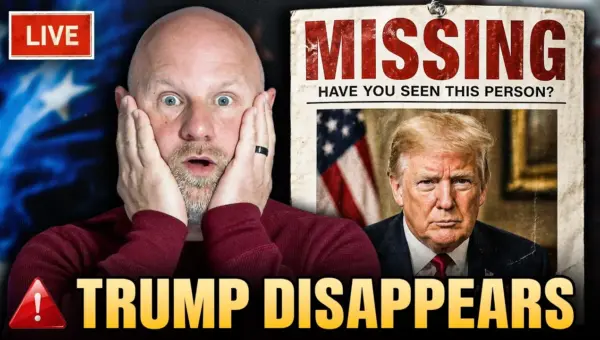
Trump’s Health Vanishes Amidst Political Turmoil
Recent Democratic victories in Virginia highlight a shifting political landscape. Meanwhile, Donald Trump's repeated disappearances from public view have intensified concerns about his health. Legal challenges, including a civil lawsuit over January 6th, add to the pressure.
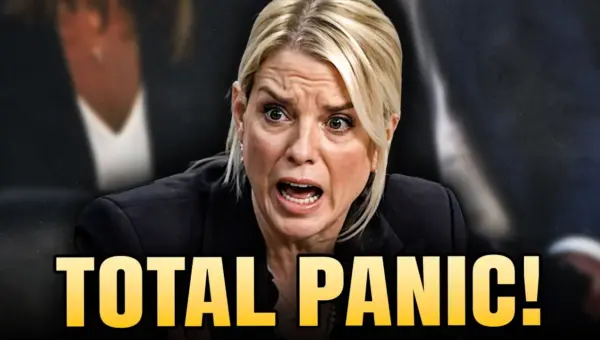
DOJ Staffers Fear Trump’s Next Attorney General Pick
DOJ staffers are reportedly in a state of panic following Pam Bondi's dismissal as Attorney General, with no replacement named. Fear is mounting over potential politically motivated prosecutions under a new leader, potentially jeopardizing lawyers' careers and legal ethics.