Russia Warns Europe Amid Joint Nuclear Drills
Russia expresses concern over joint French-Polish nuclear exercises, adopting a more restrained tone in its nuclear rhetoric. President Putin remains committed to the conflict in Ukraine, while officials question US support for Europe amid growing European militarization. Reports highlight increasing Russian military casualties through extensive cemetery footage, contrasting with official narratives.

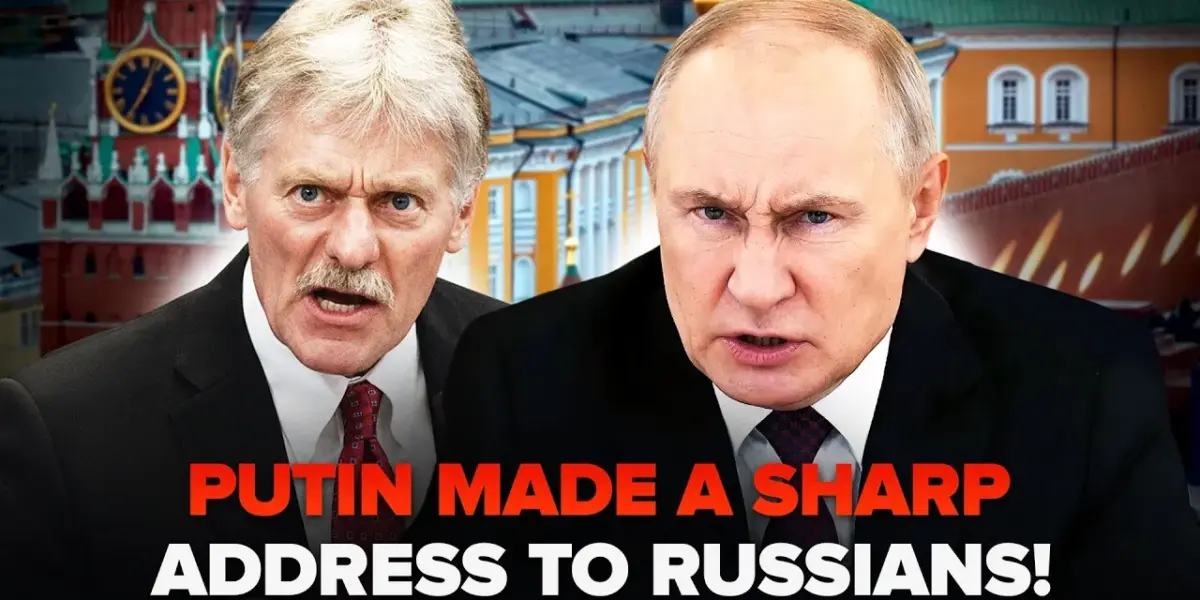
Russia Warns Europe Amid Joint Nuclear Drills
Russia has reacted with caution and concern to joint nuclear exercises announced by France and Poland. The Kremlin’s public statements on the matter have become noticeably more restrained compared to previous instances of nuclear rhetoric. This shift suggests a calculated response to evolving geopolitical tensions in Europe.
President Vladimir Putin continues to insist that the conflict in Ukraine must proceed, disregarding opposing viewpoints and factual evidence. Meanwhile, Kremlin spokesperson Dmitry Peskov has adopted a more measured tone when discussing events in Europe. This change in communication highlights a potential adjustment in Russia’s strategic messaging.
European Military Aspirations Raise Concerns
The joint nuclear exercises between France and Poland are seen by Moscow as a sign of Europe’s increasing militarization and interest in nuclear capabilities. Russian officials argue that such actions do not promote stability or predictability on the continent. This perspective underscores Russia’s view of these exercises as a destabilizing factor in European security.
In the Russian State Duma, lawmaker Kartapolov stated that the exercises heighten tensions. He described the situation as already complex, with European politicians, including French President Macron and Polish Prime Minister Tusk, allegedly pushing for escalation. Russia views these developments as a failure of European leadership to consider the well-being of their citizens.
Russia’s Response Capabilities
Russian officials have suggested that while Poland may not possess its own nuclear weapons, they could potentially utilize French assets. There is skepticism about whether actual nuclear munitions would be used in such drills, with speculation that mock or training warheads might be employed. However, Russia maintains it possesses the capability to respond effectively to any perceived threat.
Former Russian President Dmitry Medvedev, known for his strong rhetoric on nuclear issues, also commented on the exercises. He traditionally raises questions about NATO’s Article 5 mutual defense clause in the context of potential conflict with Russia. Medvedev views France and Poland as key proponents of conflict with Russia, labeling them as examples of militarism and Russophobia.
US Support for Europe Questioned
The article suggests that the United States may not provide robust support to Europe in a conflict with Russia. This is attributed not only to potential US resource constraints or political factors like former President Trump’s stance but also to a perceived lack of strategic need for Europe by Washington. Europe is described as a dependent ally that has benefited from US support but is now seen as weak.
The article points to the Middle East conflict and Europe’s own internal challenges, such as struggling economies and migration issues, as indicators of its weakness. Therefore, European nations are advised to realistically assess their own military strength, including production capacity and infrastructure, before expecting significant US involvement in a confrontation with Russia. The idea of a new EU military bloc is mentioned, but its effectiveness is implicitly questioned without US backing.
Putin’s Domestic Engagements and Rhetoric
President Putin’s public schedule included a meeting with heads of municipalities on Russia’s Day of Local Self-Government. This event, presented as a direct engagement with citizens facing daily issues, is framed as an opportunity for the president to understand ground-level realities. However, the article casts doubt on the authenticity of such meetings, suggesting they may be staged due to strict security measures.
Meanwhile, other Russian officials continue to employ strong rhetoric. Duma speaker Volodin reiterated claims that global conflicts originate from the United Kingdom, accusing it of historical atrocities and present-day interference in other states. These statements aim to shape public opinion and assign blame for international tensions.
Focus on Battlefield Realities and Casualties
The article contrasts official rhetoric with observable realities on the ground in Russia, particularly concerning military casualties. It highlights an increase in published videos showing extensive cemeteries filled with newly buried soldiers. Locations like Krasny Ask and Pargolovo in the Leningrad region are cited as examples of rapidly expanding burial sites.
These visuals are presented as evidence of the significant human cost of the conflict. The imagery of vast numbers of graves and prepared burial plots is a stark counterpoint to official narratives. The emotional impact of these scenes is conveyed through descriptions of shock and sorrow from those observing them.
Putin’s Continued Commitment to Conflict
Despite acknowledging substantial troop losses and economic strain, Putin maintains Russia’s commitment to continuing the conflict using what are described as “terrorist methods.” He asserts the ongoing creation of a “security zone” in adjacent territories until threats to border regions are eliminated. This stance suggests a long-term strategic objective focused on perceived security needs.
The government’s efforts to assist residents in affected regions, such as the Kursk region, are acknowledged as a duty. The article concludes by thanking viewers for their support of Ukraine and reiterating the belief in eventual victory.
Source: 😱Putin made an urgent address about war! Kremlin issued an ultimatum. Peskov went off the rails (YouTube)

Related Articles

Vlogger’s Plea Sparks Kremlin Panic, Unites Russian Women
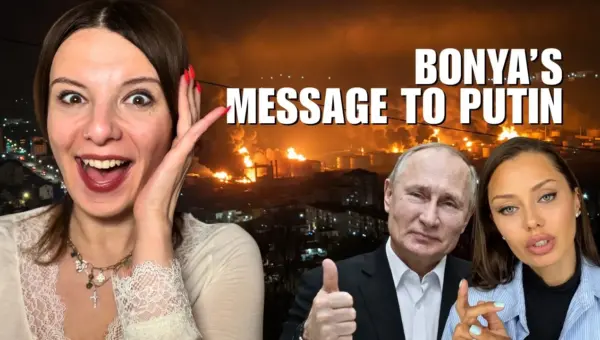
A beauty vlogger's online plea for internet access during emergencies has unexpectedly shaken the Russian government. Victoria Bonya's viral video prompted reactions from Kremlin officials and communist leaders, highlighting public discontent. The incident reveals cracks in Russia's propaganda machine and a growing assertiveness among Russian women.


Internet Blackout Tanks Putin’s Approval Ratings
New approval ratings show a significant drop for Vladimir Putin, tied to widespread internet disruptions in Russia. The data indicates public frustration over loss of online access is greater than concerns about the war in Ukraine. This digital blackout presents a unique challenge to the Kremlin.
Bulgaria’s Pro-Russian Leader Eyes EU Role Amid Instability
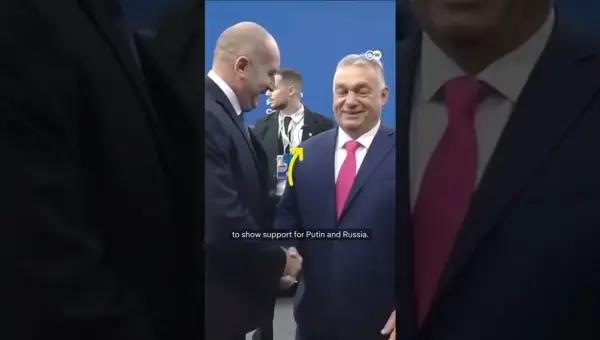
Bulgaria's recent election has brought a pro-Russian politician to the brink of becoming prime minister, sparking concerns within the European Union. Despite past criticisms of the EU and a desire to renew ties with Moscow, analysts suggest a rhetorical shift rather than a fundamental policy change is likely. The nation's long-standing political instability and corruption issues add complexity to its future role in Brussels.