Treasury Secretary Testifies on Budget Cuts, Tax Policy
Treasury Secretary Scott Bessent testified before the Senate on the fiscal year 2027 budget request, which proposes an 11.7% reduction in funding. The budget emphasizes efficiency and targeted investments, while also supporting the Working Families Tax Cuts Act and the implementation of digital asset regulations. Senators raised concerns about IRS funding cuts, rising inflation, and contractor accountability.

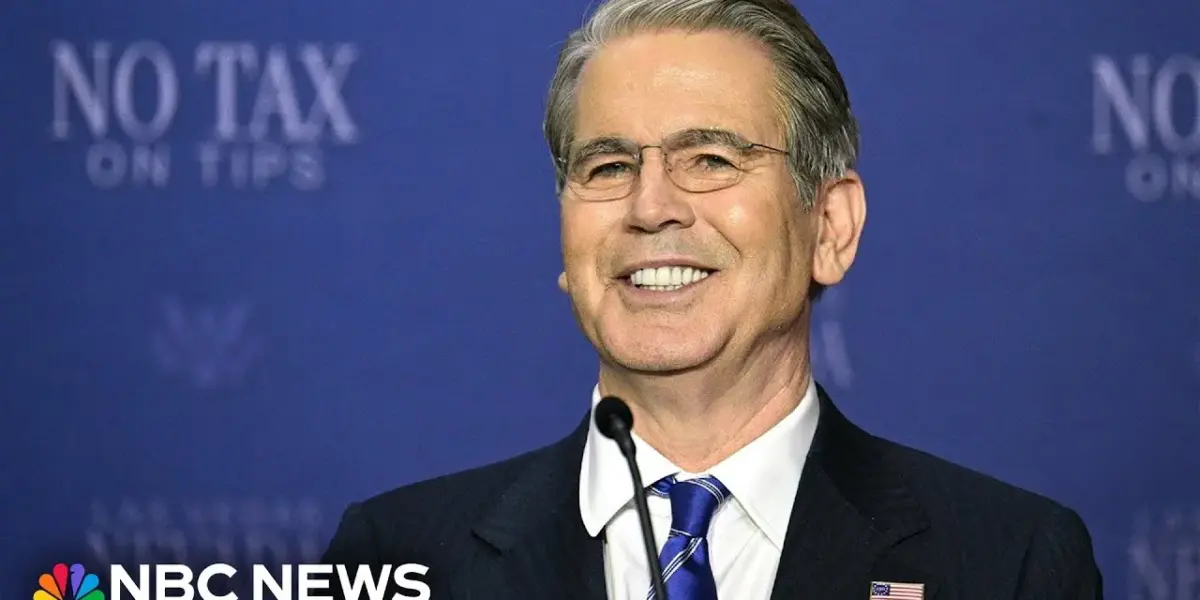
Treasury Secretary Scott Bessent Presents FY2027 Budget Request
Treasury Secretary Scott Bessent appeared before the Senate Legislative Branch Subcommittee on Wednesday to discuss the Department of the Treasury’s fiscal year 2027 budget request. The proposed budget includes a significant reduction of 11.7%, or $1.5 billion, compared to the previous fiscal year. Bessent stated this cut reflects an understanding of limited resources and involves making careful choices among competing priorities to support the administration’s economic agenda.
The budget aims to balance responsible management of taxpayer money with strengthening America’s economic standing. Bessent highlighted that the request addresses difficult financial questions and focuses on improving efficiency and making targeted investments for maximum impact, rather than simply asking for more funds. He emphasized a commitment to saving taxpayers money and creating a leaner, more efficient government without harming the department’s core mission.
Working Families Tax Cuts Act and IRS Modernization
The hearing also touched upon the Working Families Tax Cuts Act, passed last year, which aims to provide tax relief to American workers. Recent data from the IRS shows that tax refunds are higher this year, putting more money back into people’s pockets.
The Act includes adjustments for income like tips and overtime, along with expanded deductions for seniors and working families. These changes require the Treasury and IRS to update systems and provide new guidance to taxpayers.
Bessent noted that the budget request supports the implementation of these policy reforms, providing the Treasury with the necessary tools for efficient execution. He also mentioned improvements in IRS operations, with a focus on customer service and digital-first experiences leading to lower call volumes. The budget supports continued modernization of IRS operations through automation and technology investment, aiming to simplify tax compliance.
Global Economic Strategy and Digital Assets
Beyond domestic tax matters, the budget addresses strengthening America’s global economic position. Bessent criticized past unequal trade policies that have hurt American businesses and increased reliance on countries like China for critical goods. The current administration is working to reset global trade through new agreements and an “American first” agenda.
The secretary also discussed the importance of digital assets and related technologies for economic growth and capital formation. He stressed that America must lead in this sector to maintain its position as the world’s reserve currency.
The Genius Act, signed into law last year, provided regulatory clarity for stablecoins, a key step in supporting innovation in digital assets. Bessent credited his department, including specific staff members, for their critical role in the legislation’s success.
Concerns Raised by Senators
Senator Jack Reed expressed concerns that the budget cuts, particularly to the IRS, are irresponsible. He pointed out that the proposed $1.4 billion cut to the IRS, following a $1.1 billion cut last year, would further shrink its workforce. Reed argued that underinvesting in revenue collection mechanisms, like the IRS, is a mistake, citing the IRS’s own acknowledgment that every dollar spent on enforcement yields $11 in recovered taxes.
Reed also raised concerns about rising gas prices, which he linked to the administration’s fiscal policy and tariffs, stating that Americans are paying more for everyday necessities. He criticized the budget’s proposed 50% cut in enforcement exams for high-income individuals, suggesting it would enable wealthy taxpayers to evade taxes. He concluded that the administration’s policies and the IRS budget request put the economy and the financial security of average Americans at risk.
Taxpayer Assistance Centers and Illicit Operations
Senator Susan Collins inquired about the closure of taxpayer assistance centers (TACs) in Maine, highlighting the long travel distances required for in-person service, especially for older adults in rural areas with limited internet access. Bessent acknowledged the issue and promised to investigate, stating that only 10 centers were closed system-wide and that he would work to resolve the travel problem.
Collins also asked about Treasury’s efforts to combat illegal marijuana grow houses in Maine linked to Chinese criminal organizations, noting the involvement of money laundering and the fentanyl trade. Bessent confirmed that IRS Criminal Investigations and FinCEN are supporting local law enforcement and working with federal agencies to dismantle these operations, promising personal attention to the matter.
Contractor Accountability and Data Breaches
The discussion turned to the cancellation of contracts with Booz Allen Hamilton due to concerns over the safeguarding of sensitive taxpayer information. Bessent described it as one of the largest data breaches in IRS history, an egregious attack on taxpayer privacy. He stated that the company failed to properly screen a contractor who allegedly had malicious intent, leading to a loss of confidence in their ability to handle sensitive data.
Senator Coons agreed that the contract termination was warranted, citing the firm’s role in alleged politically motivated acts and breaches of sensitive information. He emphasized the need for stronger safeguards and accountability for both contractors and government personnel who violate public trust.
Looking Ahead: Budget Implementation and Economic Policies
Secretary Bessent concluded his testimony by reaffirming Treasury’s commitment to working with Congress on financial system protection, job growth, and economic strengthening. The FY2027 budget request aims to boost growth and efficiency while targeting illicit actors. The department is requesting specific funding for implementing the Genius Act and for FinCEN to drive innovation in digital assets and stablecoins.
The hearing underscored key policy debates surrounding fiscal responsibility, tax reform, and America’s role in the global digital economy. Future oversight will likely focus on the effective implementation of the budget, the impact of tax policies on average Americans, and the Treasury’s strategies for combating financial crime and fostering technological innovation.
Source: LIVE: Treasury Secretary Scott Bessent testifies before the Senate | NBC News (YouTube)

Related Articles


GOP Claims Tax Cuts Boost Americans, Blame Dems for Inflation
House Ways and Means Chairman Jason Smith argues that Democratic spending fueled inflation, while tax cuts have benefited Americans. He criticizes a growing socialist agenda within the Democratic Party and emphasizes the need for fiscal responsibility amid high national debt. Investors should watch these economic policy debates as they could shape future market conditions.


Trump’s ‘No Tax on Tips’ Policy Born from Waitress’s Plea
A waitress's simple plea to not tax her tips inspired a popular policy that continues to benefit working Americans. Stephen Moore highlights this and other tax measures, alongside strong market fundamentals and potentially falling gas prices, as key drivers of economic strength. Meanwhile, a nomination for the Federal Reserve faces partisan opposition.


Trump’s $10 Billion Self-Settlement Plan Exposed
Donald Trump is seeking a $10 billion settlement from the IRS in a lawsuit he filed. The case, initially about a data breach, appears to be a personal negotiation. Experts question the legality and ethics of a leader suing his own government for such a sum.