NASA Budget Cuts Threaten Space Race Future
NASA faces significant questions as proposed budget cuts threaten its future. Experts warn that slashing funding, particularly for non-human missions, could hinder technological advancements and America's standing in space exploration.

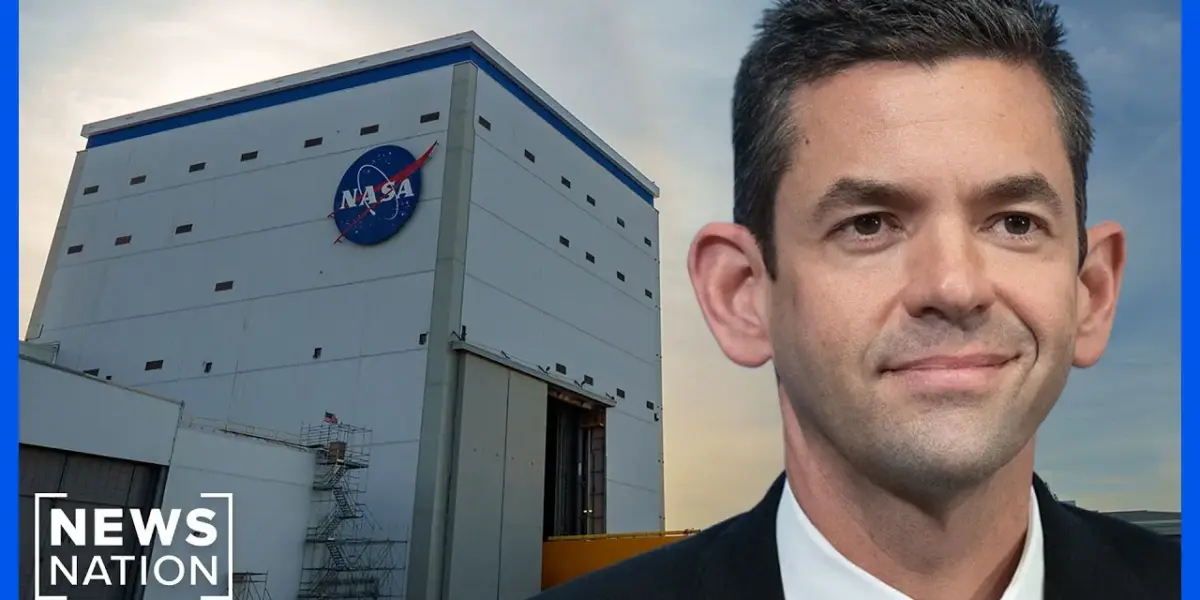
NASA Faces Budget Cuts Amidst Space Success
NASA, an agency often celebrated for its groundbreaking achievements, is now finding itself under scrutiny. Just as the world watched a historic lunar mission with bated breath, proposals for significant budget cuts have emerged. These cuts could dramatically alter the agency’s future plans and America’s standing in space exploration.
NASA Administrator Bill Nelson is set to testify before Congress regarding these proposed budget reductions. The agency is reportedly facing a potential slash of around 23% to its budget. Critics argue this move could reshape the very direction of American space exploration for years to come.
Impact on Non-Human Missions
The proposed cuts appear to target missions not involving human spaceflight first. However, experts warn that this distinction is misleading and potentially damaging. These non-human missions, often robotic or involving advanced technology, are deeply connected to broader space exploration goals.
Dr. Barrett Caldwell, Director of the NASA Indiana Space Grant Consortium, explained this connection. “You can’t have a mission that goes to Mars without robotics and machine learning and all those software tools to help keep the mission on track,” he stated. He emphasized that these elements are all interconnected, regardless of whether humans are directly involved.
Broader Implications for Technology and Progress
Some voices within the space community are calling these proposed cuts an “extinction-level event” for certain aspects of space research. They fear the U.S. could fall behind in the global space race. This concern is rooted in the understanding that space research has historically driven technological advancements we use daily.
Technologies found in our smartphones and the GPS systems guiding us are often byproducts of space exploration efforts. These innovations highlight the far-reaching benefits of investing in space. Cutting funding now could stifle the development of future technologies that benefit everyone.
Historical Context of Space Exploration Funding
The history of NASA and space exploration is closely tied to national priorities and funding levels. The initial Space Race with the Soviet Union spurred massive investment, leading to the Apollo program and the moon landing. However, funding has fluctuated significantly since then, often impacted by economic conditions and shifting political interests.
Periods of high funding have often coincided with major advancements and public excitement, such as the development of the Space Shuttle program or the Hubble Space Telescope. Conversely, budget constraints have sometimes led to the cancellation of ambitious projects or a slowdown in the pace of discovery. This historical pattern suggests that current budget proposals could signal a new, potentially challenging, era for NASA.
The Artemis Program and Future Goals
NASA’s current flagship program is Artemis, which aims to return humans to the Moon and eventually send them to Mars. The success of these ambitious goals relies on a steady and significant budget. The proposed cuts could jeopardize the timelines and capabilities of such programs.
The timing of these budget discussions is particularly sensitive, with some proposals reportedly emerging even as the Artemis 2 mission, which will send astronauts around the Moon, was preparing for its journey. This raises questions about the long-term commitment to these human exploration endeavors.
Why This Matters
These proposed budget cuts are more than just numbers on a spreadsheet; they represent a potential turning point for American leadership in space. The ability to explore, innovate, and push the boundaries of human knowledge is at stake.
Investing in space exploration has consistently yielded technological spin-offs that improve life on Earth. Maintaining a strong presence in space is often viewed as a matter of national security and global influence. The decisions made today will shape the future of scientific discovery and technological progress for generations.
Future Outlook and Recommendations
The testimony before Congress today will be crucial in determining the fate of NASA’s budget. Lawmakers will weigh the agency’s successes and future ambitions against fiscal constraints.
The debate highlights a fundamental question: what level of investment is necessary to maintain America’s edge in space exploration and harness its benefits for society? The outcome will influence not only NASA’s capabilities but also the inspiration and technological dividends that space exploration provides.
The agency is awaiting a decision on its proposed budget, with significant implications for its upcoming missions and long-term objectives.
Source: NASA faces questions over proposed budget cuts (YouTube)

Related Articles


Health Secretary Defends Budget Amid Cuts and Research Concerns
Health and Human Services Secretary Robert F. Kennedy Jr. faced tough questions from senators regarding proposed budget cuts and their impact on biomedical research and public health programs. Senators expressed alarm over reduced grant funding, workforce cuts at agencies like the CDC, and concerns about women's health research. The hearing highlighted a stark contrast between the administration's budget priorities and congressional intent.

NASA Explores Nuclear Power for Moon Bases and Deep Space
NASA is advancing plans for nuclear power on the Moon and in deep space, exploring fission reactors for consistent energy and propulsion. Sand batteries offer a simpler heat storage solution. The Habitable Worlds Observatory continues the search for Earth-like exoplanets, while the speed of light remains a fundamental limit on real-time observation.

NASA’s Roman Telescope Set for Early September Launch
NASA's Nancy Grace Roman Space Telescope is fully assembled and set for an early September launch, eight months ahead of schedule and under budget. This powerful observatory will explore dark matter, dark energy, and search for potentially habitable exoplanets with unprecedented speed and detail. Roman's discoveries will complement existing telescopes like Hubble and James Webb, offering a more complete picture of the universe.