Vlogger’s Plea Sparks Kremlin Panic, Unites Russian Women
A beauty vlogger's online plea for internet access during emergencies has unexpectedly shaken the Russian government. Victoria Bonya's viral video prompted reactions from Kremlin officials and communist leaders, highlighting public discontent. The incident reveals cracks in Russia's propaganda machine and a growing assertiveness among Russian women.

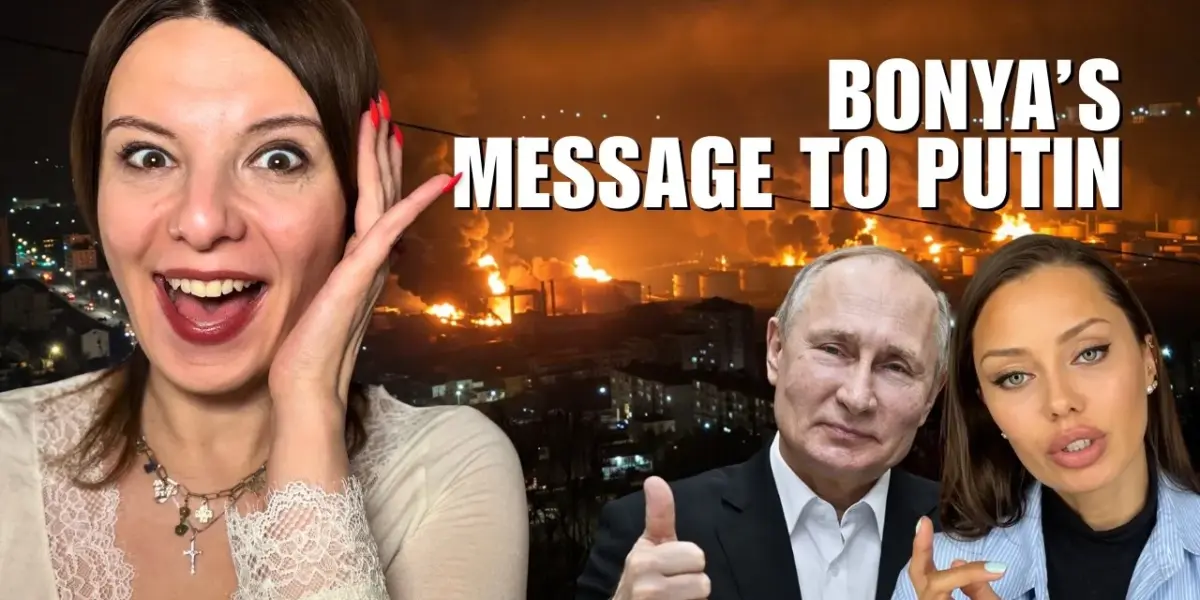
Blogger’s Call for Internet Access Sparks Kremlin Alarm
A prominent Russian beauty vlogger, Victoria Bonya, has inadvertently triggered a significant political and media stir within Russia. Bonya, who gained fame through reality television over a decade ago and now runs beauty brands from Monaco, posted a video that has gone viral. The video did not directly criticize President Putin but highlighted negative consequences of internet shutdowns, citing real-world examples.
Bonya specifically mentioned how people in Dagestan struggled to connect with emergency services and family during recent floods due to lack of internet access. This message resonated widely, forcing a reaction from Dmitry Peskov, Putin’s spokesperson, who stated the Kremlin is aware of the issues. The situation escalated as several Russian politicians began quoting Bonya, highlighting the unexpected impact of her appeal.
Communist Leader Compares Vlogger to Lenin, Signals Public Discontent
Gennady Zyuganov, the head of the Russian Communist Party, drew a striking parallel between Bonya and Vladimir Lenin. He expressed concern that such public sentiment, amplified by an unlikely figure, could potentially lead to widespread unrest.
This comparison from a major political figure suggests a deep level of public anger and tension within Russia. It indicates that even ordinary messages from social media personalities can pose a perceived threat to the current government.
The vlogger’s message gained further traction as millions of Russian women have rallied behind her. They view Bonya as a figure challenging traditional Russian patriarchy. This broad support highlights a growing social movement, adding another layer to the political impact of her video.
Vlogger’s Shift from Beauty to Public Concerns
Victoria Bonya is primarily known for content focused on beauty, relationships, and lifestyle, often stemming from her past reality show hosting. She had not previously engaged in political commentary or spoken about the war in Ukraine. Her current residence in Monaco and her business ventures further position her outside traditional political circles.
However, the pervasive impact of internet shutdowns and the blocking of platforms like Instagram, X (formerly Twitter), Facebook, YouTube, and Telegram appear to have prompted her response. Bonya’s video detailed widespread public frustration, emphasizing the need for internet connectivity during emergencies like the Dagestan floods. She also touched upon environmental issues and the broader impact of the conflict.
Kremlin’s Reaction Exposes Widespread Fear
The intense reaction from Kremlin figures, including Peskov and Zyuganov, alongside prominent propagandist Vladimir Solovyov, demonstrates a high level of anxiety within the Russian establishment. Solovyov, in particular, has been a vocal supporter of the government’s actions. His engagement with Bonya’s video, and subsequent criticism, shows how deeply her message has penetrated public discourse.
This attention from high-profile officials to a beauty vlogger’s concerns highlights the perceived fragility of the current information environment. It suggests that the government is increasingly worried about public opinion and the potential for widespread dissent, even when sparked by non-political influencers.
Unraveling Propaganda and Shifting Alliances
Bonya’s legal action against Solovyov after facing negative comments on her video has further galvanized public support. Millions of Russian women now see her as an important voice against established norms. This development has also created internal friction among pro-government voices, particularly on Russian state television.
There has been a notable shift in the unified support previously seen from Russian bloggers and influencers. Many had actively backed the Kremlin and the ongoing military operations. The current fragmentation suggests challenges not only on the front lines but also within the critical domain of information warfare and propaganda.
Military Bloggers React to Vlogger’s Influence
The situation intensified when Solovyov criticized military bloggers, comparing them unfavorably to Bonya. This comparison enraged Russian journalists and military commentators who had reported from the front lines. They viewed themselves as serious figures, contrasting sharply with Bonya’s background in reality television and beauty content.
The backlash from these military-focused influencers highlights a growing disconnect and frustration within the pro-war community itself. Their outrage over being equated with a beauty vlogger reveals a deep-seated anxiety about their own standing and the perceived erosion of their authority in the face of broader public sentiment.
Strategic Implications: Cracks in the Information Front
The incident involving Victoria Bonya reveals significant cracks in Russia’s carefully constructed information and propaganda apparatus. For years, popular bloggers and influencers acted as a crucial flank for the Kremlin, amplifying state narratives and strengthening support for the war. Bonya’s video, and the subsequent reaction it provoked, demonstrates that this unified front is no longer guaranteed.
The Kremlin’s concern over a beauty vlogger’s comments, and the comparison of established military commentators to her, suggests a growing panic about losing control of the narrative. This public discontent, amplified by unexpected sources, could potentially erode public confidence and create a fertile ground for more widespread dissent. The comparison to Lenin by a major political figure, while perhaps hyperbolic, highlights the perceived risk of social instability.
Historical Parallels and Future Outlook
The situation draws a parallel to historical moments where seemingly minor public expressions of discontent, amplified by media and social networks, have grown into significant challenges for authoritarian regimes. The speed at which Bonya’s message went viral and elicited high-level responses indicates the power of modern communication tools, even when facing state-imposed restrictions.
The future trajectory hinges on whether this public sentiment can be sustained and amplified beyond social media platforms. The Russian government’s response, including potential legal actions and increased media scrutiny, will be critical in shaping the outcome. The ongoing conflict and internal pressures continue to create a volatile environment where public opinion, even from unconventional sources, can have significant repercussions.
Source: KREMLIN SCANDAL: BONYA’S MESSAGE TO PUTIN, BLOGGERS PANIC ERUPT Vlog 1386: War in Ukraine (YouTube)

Related Articles

Ukraine Strikes Cripple Russian Oil; US Goes Global
Ukraine's drone attacks are crippling Russian oil exports and production, forcing significant output reductions. Simultaneously, the U.S. Navy is expanding its reach globally, seizing Iranian oil tankers far from the Persian Gulf. This dual pressure signals a potential breakdown of global trade in energy, agriculture, and manufacturing.

Russia’s Economy Crumbles Under Sanctions, Dissent Grows
New intelligence reports indicate Russia's economy is collapsing under sanctions, with falling oil revenues and rampant inflation. Dissent is growing, with prominent figures and even pro-Kremlin bloggers openly criticizing the government and President Putin.

Russia’s Belarus Buildup: A Feint to Distract or Real Threat?
Satellite imagery reveals Belarus building military infrastructure near the Ukrainian border, sparking fears of a new Russian invasion. Analysts debate if this is a genuine threat to Kyiv or a calculated feint designed to pressure Ukraine and divert resources. Russia has a history of using such tactics to gain strategic advantages without direct conflict.