Texas Schools Must Display Ten Commandments After Court Ruling
A federal appeals court ruled Texas can require public schools to display the Ten Commandments, upholding a state law. Civil liberties groups criticize the decision, citing the separation of church and state. The case is expected to go to the Supreme Court.

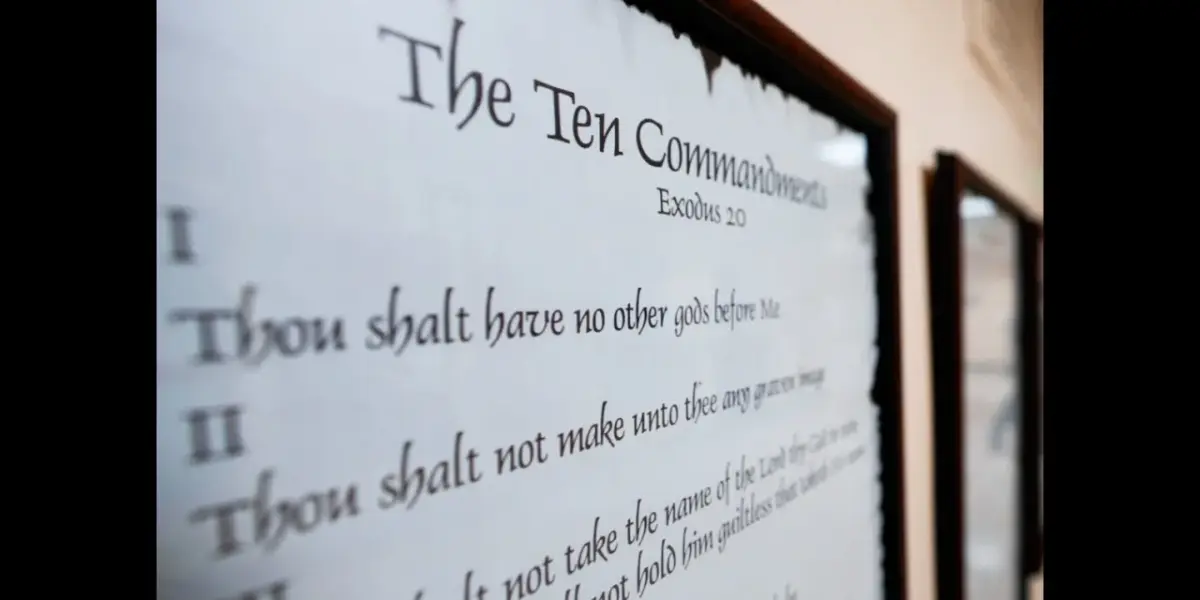
Texas Schools Ordered to Display Ten Commandments
A federal appeals court has ruled that public schools in Texas must display the Ten Commandments in classrooms. This 9-7 decision from the Fifth Circuit Court of Appeals upholds a state law signed by Governor Greg Abbott. The court decided that this law does not go against the U.S. Constitution.
The law states that visible copies of the Ten Commandments must be posted in every public school classroom. However, the Texas Tribune reported that these posters will only be put up if they are donated by private citizens. The law also does not clearly state what happens if school districts fail to follow this requirement.
Concerns Over Church and State Separation
Groups that protect civil liberties have strongly criticized the court’s decision. They argue that requiring the display of religious texts in public schools violates the principle of separation between church and state. This principle is a key idea in the U.S. legal system, meaning the government should not favor or establish any religion.
Opponents believe that putting the Ten Commandments in classrooms sends a message that the government endorses a specific religion. This can make students from different religious backgrounds or no religious background feel excluded or pressured. They see it as a government endorsement of religion, which is not allowed.
Historical Context and Legal Battles
This ruling is part of a long history of legal challenges over religion in public schools. Since the Supreme Court’s 1963 ruling in Abington School District v.
Schempp, mandatory prayer and Bible readings in public schools have been banned. The core issue has always been where to draw the line between allowing religious expression and preventing government establishment of religion.
Past court cases have often struck down government-sponsored religious displays in public settings. The idea is to protect religious freedom for all citizens, not just those who share the majority’s beliefs. This Texas case tests those long-standing boundaries and could lead to further legal battles.
Why This Matters
This decision has significant implications for religious freedom and the role of religion in public life. It raises questions about how far government can go in promoting or displaying religious content in state-run institutions like public schools. The outcome could affect how other states approach similar issues.
For parents and students, it means navigating a classroom environment that may include religious texts. It also highlights the ongoing debate about the meaning of religious freedom in a diverse society. The question is whether religious freedom means the right to practice one’s religion freely, or if it also means keeping religion out of government spaces.
Future Outlook and Next Steps
Civil liberties advocates have stated that this case is likely to be appealed to the U.S. Supreme Court. The Supreme Court will have the final say on whether the Texas law is constitutional. This could lead to a landmark decision that further defines the relationship between religion and public education across the nation.
The Supreme Court’s ruling will shape future legal interpretations and potentially influence policies in other states. The nation will be watching closely as this debate over faith, law, and public schooling continues. The court’s decision is expected to have a lasting impact on how religious expression is viewed in American public life.
Source: Texas Can Require Public Schools to Display Ten Commandments in Classrooms, US Appeals Court Rules (YouTube)

Related Articles
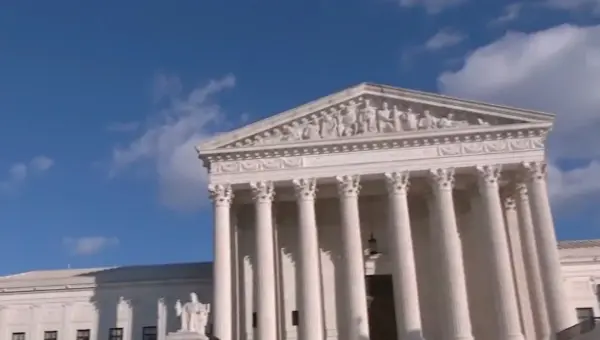
Colorado Preschool Case Puts Faith vs. Rights on Supreme Court Docket
The Supreme Court will review a Colorado case concerning taxpayer-funded preschools and anti-discrimination laws. The case questions whether religious schools receiving public funds must enroll children of same-sex couples, testing the balance between religious freedom and equal rights.


Pope Battles Trump’s War Rhetoric with Peace Message
Pope Leo XIV is directly challenging Donald Trump's "regime of war criminals" with a message focused on peace and empathy. This clash has drawn support from religious leaders and global observers, highlighting a divide over conflict and human dignity. The Pope's focus on dialogue contrasts sharply with accusations of aggressive rhetoric and military actions.
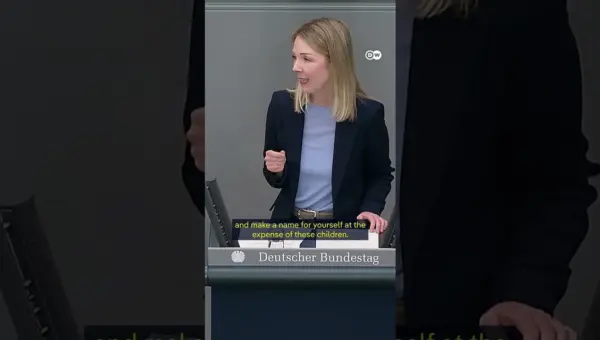
Germany Debates Headscarf Ban in Schools Amid Fierce Opposition
German lawmakers are fiercely debating a proposed ban on headscarves for young girls in schools. Proponents cite gender equality concerns, while critics argue the ban is discriminatory and targets the Muslim community. The debate highlights deep divisions over religious freedom and integration.