FDA May Ease Peptide Rules Amidst Growing Popularity
The FDA is set to convene a panel in July to discuss potentially expanding the approved uses of peptides, the popular protein building blocks gaining traction in fitness and wellness. Despite growing public enthusiasm and claims of life-changing benefits, many medical experts caution that robust scientific research is still needed to support these claims.


FDA Considers Loosening Peptide Restrictions
The U.S. Food and Drug Administration (FDA) is planning to hold a meeting in July to discuss potentially expanding the list of approved peptides. This move comes as peptides, which are small protein building blocks, gain significant attention in fitness and wellness circles. Their use has grown rapidly, with some enthusiasts claiming life-changing benefits.
Peptides are naturally found in the body and play roles in various bodily functions. They can also be created in labs and administered through injections. This growing popularity has caught the attention of health officials, prompting the FDA to re-evaluate current regulations.
What Are Peptides and Why the Buzz?
Peptides are short chains of amino acids, the fundamental units that make up proteins. Think of them like small Lego bricks that can be put together to build larger structures. In the body, these chains act as messengers, signaling cells to perform specific tasks.
They are involved in everything from muscle repair and growth to hormone regulation and immune responses. Because they are naturally occurring, some people believe they offer a more targeted approach to health and performance enhancement compared to traditional supplements or drugs.
One user shared, “This is the newest thing that I’ve included into my routine.” Another enthusiastically stated, “These two peptides have changed my life. Let’s talk about it.” This widespread positive feedback fuels the public’s interest and demand.
Experts Urge Caution Amidst Hype
Despite the growing excitement and anecdotal evidence, many medical professionals are urging caution. They point out that while peptides show promise, the scientific research backing many of their purported benefits is still limited. The FDA’s review suggests a recognition of this growing field, but doctors emphasize the need for more rigorous studies.
Dr. Evelyn Reed, a biochemist not affiliated with the FDA panel, commented, “The potential is certainly there, but we must distinguish between early-stage research and proven medical applications.” She added, “Rushing to widespread use without robust clinical trials could pose risks we don’t yet fully understand.”
FDA’s Next Steps and Future Implications
The upcoming FDA panel in July will bring together experts to review current research and consider potential new guidelines. The goal is to determine if certain peptides can be safely and effectively approved for expanded uses. This could involve treatments for specific medical conditions or potentially even wider availability for wellness purposes.
The outcome of this meeting could significantly impact the availability and regulation of peptides. It may lead to clearer guidelines for both consumers and manufacturers. The FDA’s decision will be closely watched by the health and fitness industries.
The agency’s review is expected to focus on safety, efficacy, and the current state of scientific evidence. This process aims to balance public interest with the need for scientifically validated health products.
What to Watch Next
All eyes will be on the FDA’s panel meeting in July. The discussions and any potential recommendations will set the stage for future regulations. Consumers and healthcare providers alike will be looking for clear guidance on the safe and effective use of these increasingly popular compounds.
The scientific community will also be closely following the developments. Further research into peptide mechanisms and applications is expected to intensify. The FDA’s actions could spur more investment in peptide research and development.
Source: The FDA considers easing limits on peptides use (YouTube)

Related Articles


FDA Considers Loosening Peptides Rules Amid Hype
Peptides, popular in wellness and fitness for claimed benefits like anti-aging and muscle boosting, are under FDA review for potentially relaxed regulations. Despite user enthusiasm and endorsements, many doctors urge caution due to a lack of extensive human safety data. The FDA's planned July panel will weigh the growing popularity against critical safety concerns.

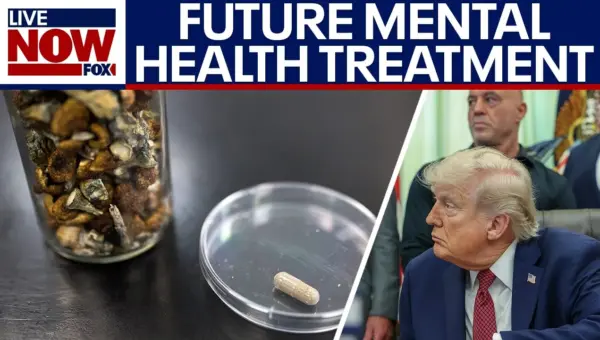
Trump Signs Order to Speed Psychedelic Drug Research
President Trump has signed an executive order to accelerate research and access to psychedelic drugs for mental health treatment, particularly for veterans with PTSD. While the order aims to speed up FDA reviews, experts note that extensive clinical trials and regulatory hurdles mean widespread patient access is still years away.


GLP-1 Drugs Face Lawsuits Over Severe Side Effects
Thousands of patients are suing GLP-1 drug makers, alleging severe side effects like blindness and stomach paralysis. While manufacturers claim their drugs have FDA-approved warnings, lawsuits argue the information is insufficient. Experts and attorneys discuss the need for updated labels and manufacturer responsibility as these popular weight-loss drugs expand.