Trump Signs Order to Speed Psychedelic Drug Research
President Trump has signed an executive order to accelerate research and access to psychedelic drugs for mental health treatment, particularly for veterans with PTSD. While the order aims to speed up FDA reviews, experts note that extensive clinical trials and regulatory hurdles mean widespread patient access is still years away.

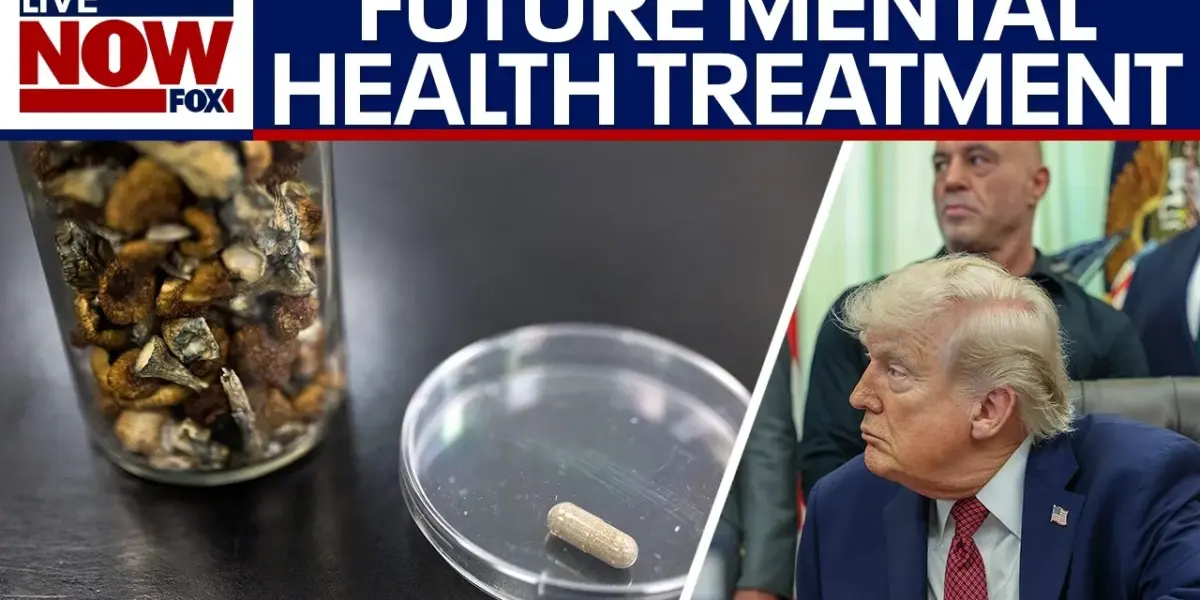
President Trump Greenlights Psychedelic Research Initiative
President Donald Trump signed an executive order over the weekend aimed at speeding up medical research and treatment access for psychedelic drugs. The order specifically directs the Food and Drug Administration (FDA) to expedite the review process for these substances, which hold potential for treating conditions like Post-Traumatic Stress Disorder (PTSD), particularly among U.S. military veterans.
This move signals a significant step in exploring alternative mental health treatments. The executive order focuses on drugs such as psilocybin, MDMA, and ibogaine, which are currently classified as Schedule I substances by the Drug Enforcement Administration (DEA). This classification means they are considered to have a high potential for abuse and no currently accepted medical use, making research and access difficult.
Arizona Leads the Way in Psychedelic Research
States like Arizona are already ahead of the curve, having set aside $5 million last year for ibogaine research. Researchers in the state have expressed hope that federal funding could match these efforts, potentially doubling or tripling the available resources. This state-level initiative suggests a growing interest in the therapeutic benefits of psychedelics.
Chad McLean, a veteran and founder of the mental health awareness group Mental Joe, shared his personal journey. After suffering a severe injury during his service, he found relief through ketamine, a psychedelic substance. McLean is now a strong advocate for these therapies, highlighting their life-changing potential for those struggling with mental health challenges.
Expert Opinions on Speed and Safety
While the executive order aims for rapid acceleration, some experts caution that the process will still take time. Phoenix surgeon and Cato Institute fellow Dr. Jeff Singer estimates it could be a decade before patients can be prescribed these drugs. This timeline includes not only FDA approval but also the DEA’s potential rescheduling of the substances.
Conversely, organizations like the Foundation for Drug Policy Solutions express concern about moving too quickly. They point to potential dangers, such as the cardiac toxicity associated with ibogaine, which has been linked to fatalities. These groups emphasize the need for thorough research before widespread adoption.
Addressing Veteran Mental Health
The executive order places a strong emphasis on veterans suffering from PTSD and other mental health issues. President Trump stated that since 9/11, more veterans have died by suicide than in combat. He believes these new reforms will offer hope and reduce these tragic numbers.
The initiative has garnered support from various figures, including HHS Secretary Robert F. Kennedy Jr. and podcast host Joe Rogan, who have been vocal advocates for psychedelic therapy. Their involvement helps bring these often-stigmatized treatments into mainstream discussion.
Navigating the Regulatory Landscape
Harvard Law professor Glenn Cohen explained that the executive order signals a direction but does not immediately change existing laws. It encourages the FDA to consider a faster review process, potentially using the commissioner’s national priority review voucher system. The administration has also committed $50 million to support this research.
However, Cohen noted that the timeline for drug approval is typically many years long, involving extensive clinical trials and data collection. While the executive order can shorten the FDA review period once pre-approval meetings are complete, developing sufficient clinical trial data, especially for substances like ibogaine, will take time.
The Role of Clinical Trials and State Laws
Clinical trials are seen as crucial for unlocking answers about the safety and efficacy of psychedelic drugs. Dr. Sisley, conducting research in Scottsdale, Arizona, has received FDA approval for a trial program involving firefighters. Her optimistic outlook on the trial’s progress highlights the careful, step-by-step nature of this research.
While the federal government’s actions are significant, state laws also play a role. States like Oregon have already established pathways for accessing psychedelics for mental health purposes. The federal FDA approval, however, will be a decisive factor in rescheduling these drugs nationwide.
Looking Ahead: A Long Road to Access
Despite the executive order’s promise, experts like Glenn Cohen stress that widespread availability of these drugs is still years away. The cannabis legalization process, which saw varied state-level approaches, is sometimes viewed as a missed opportunity for controlled study. Proponents hope the psychedelic research will follow a more evidence-based path.
The immediate impact of the executive order is a clear signal of intent from the administration. It encourages investment and research, but the practical hurdles of clinical trials, regulatory approval, and DEA rescheduling mean that patients will likely have to wait a considerable time before these treatments become widely accessible. The focus remains on gathering robust scientific evidence to ensure both safety and effectiveness.
Source: Trump's psychedelics executive order could overhaul mental health treatment (YouTube)

Related Articles


ADHD and Trauma: Separating Cause and Effect
Explore the complex relationship between ADHD and childhood trauma. Leading experts clarify that ADHD traits can lead to difficult experiences, rather than trauma causing ADHD. Accurate diagnosis is key for effective treatment.


Louisiana Father Kills 7 Children, Seeks Mental Health Aid
A Louisiana man killed seven children and their cousin before being fatally shot by police. The shooter had recently received mental health treatment through Veterans Affairs. Authorities are now investigating how he obtained the firearm used in the horrific incident.


Trauma Healing: Finding Hope and a Path Forward
Healing from severe trauma, including abandonment and abuse, is possible with dedicated effort and support. Learn practical steps and find hope on the path to recovery and meeting your core needs.