Trump Signs Order Expediting Psychedelic Drug Access
President Trump signed an executive order to accelerate the review and access to psychedelic therapies for mental health conditions, particularly for veterans. The initiative aims to expedite FDA approvals and improve research, offering new hope for those suffering from severe depression and PTSD. Key figures and veterans shared personal stories of recovery, highlighting the potential of these treatments.

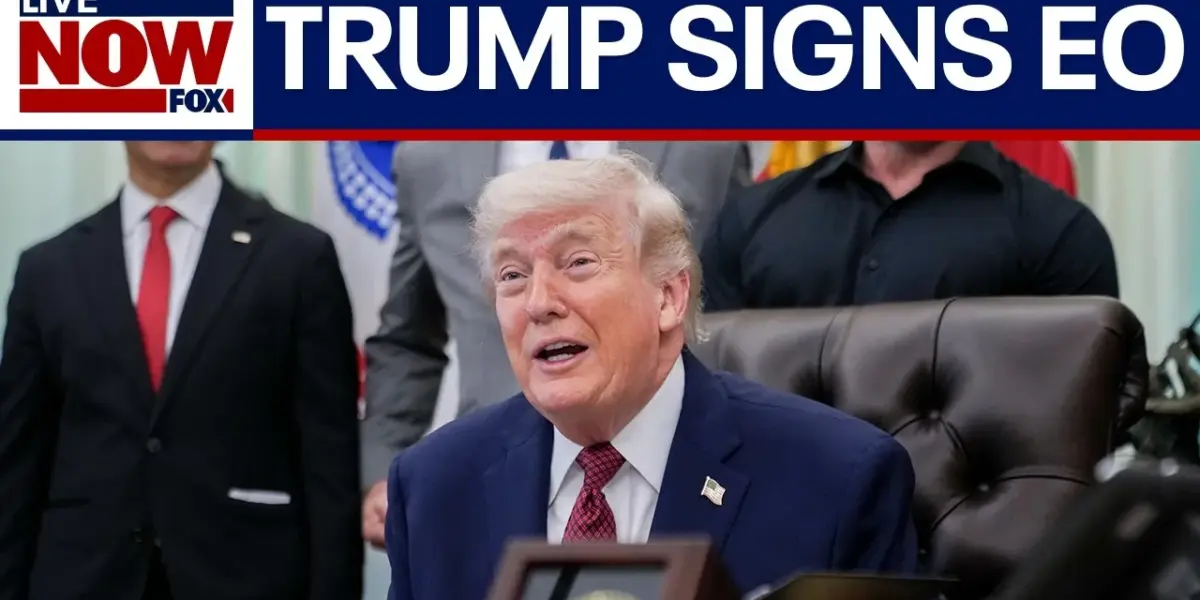
Trump Accelerates Access to Psychedelic Therapies for Veterans
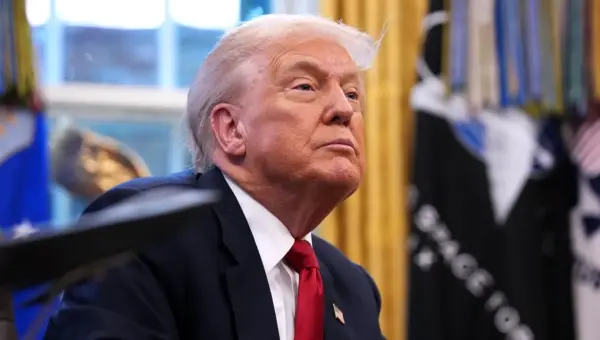
In a White House ceremony, President Trump signed an executive order aimed at speeding up the review and access to new medical research and treatments, particularly those involving psychedelic drugs. The order focuses on accelerating therapies that have shown potential for treating severe mental illness and depression, with a special emphasis on helping veterans. This initiative seeks to bypass lengthy approval processes, offering new hope to those suffering from conditions like PTSD and depression.
Historic Reforms for Mental Health Treatments
The executive order directs the Food and Drug Administration (FDA) to fast-track the review of psychedelic drugs that have already received “breakthrough therapy” designation. This designation is given to drugs that show promise in treating serious conditions. The administration believes this will dramatically speed up access to potentially life-changing treatments for Americans.
During the event, President Trump highlighted the urgent need for these reforms, citing the high suicide rate among veterans. He noted that since 9/11, more veterans have died by suicide than on the battlefield.
“Our veterans having a tremendous hard time,” Trump stated. “We’re bringing them new hope.”
Key Figures Support the Initiative
Several prominent figures attended the signing, highlighting the broad support for this initiative. Among those present were Secretary of Health and Human Services Robert F.
Kennedy Jr., FDA Commissioner Dr. Marty McCary, NIH Director Dr. Jay Bacheria, and Congressman Morgan Latrell. Former Navy SEAL Marcus Latrell and podcast host Joe Rogan also spoke, sharing personal insights and advocating for faster access to these therapies.
“This has probably never been anything happened so quickly. Everybody is so strongly in favor of this. It’s for a lot of people, but it’s for our military in particular.”
President Trump
Addressing the Veteran Suicide Epidemic
The executive order specifically targets the mental health crisis affecting veterans. The transcript revealed that over 21 times more veteran lives have been lost to suicide than on the battlefield since 9/11. This initiative aims to provide these individuals with more effective treatment options.
Secretary Kennedy emphasized the urgency, stating, “We owe it to our war fighters and veterans to turn over every stone to alleviate the emotional and mental health blowback from their deployments.” He also noted that many veterans are currently traveling to other countries to access experimental treatments.
Streamlining Research and Data Sharing
Beyond accelerating FDA reviews, the executive order will improve data sharing between the FDA and the Department of Veterans Affairs. It also facilitates faster rescheduling of any psychedelic drugs that gain FDA approval. This coordinated effort aims to remove bureaucratic obstacles that have historically slowed down medical advancements.
The administration is also allocating significant funding for research. The federal government is making a $50 million research investment, complementing a $50 million commitment from Texas Republican leaders for ibogaine research. This funding will support the study and development of these promising therapies.
The Role of “Right to Try”
The executive order expands the use of the “Right to Try” law, which President Trump championed. This law allows terminally ill patients to access experimental drugs that have not yet received full FDA approval. This expansion aims to give more patients, especially those with treatment-resistant conditions, access to these therapies under medical supervision.
The President recounted his experience establishing the Right to Try law, noting the initial resistance from insurance companies and some doctors. “We have saved thousands and thousands of lives,” he asserted, highlighting the law’s impact on terminally ill patients.
Promising Early Results and Future Prospects
Early studies on psychedelic treatments have shown remarkable results. A 2024 study from Stanford University involving special operations veterans with traumatic brain injuries found an 80-90% reduction in depression and anxiety symptoms within one month of ibogaine treatment. These findings suggest a significant potential for these therapies.
FDA Commissioner Dr. Marty McCary announced that the FDA will issue national priority review vouchers for psychedelic compounds, allowing potential approvals in weeks rather than months or years. He also revealed that the FDA is announcing the first ibogaine investigational new drug clearance, enabling human trials in the United States. “The FDA is proud to support this broader effort to evaluate new therapeutics for some of the greatest Americans we have in this country,” McCary said.
Personal Testimonials Highlight Efficacy
The event featured powerful personal testimonies. Marcus Latrell shared how ibogaine treatment changed his life for the better five years ago, allowing him to feel like he had gotten his life back. “Every single day is a better day for me,” he stated, highlighting the profound impact of the therapy.
Rob O’Neill, a former SEAL, spoke about how ibogaine helped him overcome a severe alcohol addiction, saving his life and his marriage. He shared a story of a veteran who, on the brink of suicide, found hope through this treatment, emphasizing its life-saving potential.
Looking Ahead: Continued Research and Access
The executive order marks a significant step in exploring psychedelic therapies for mental health. The administration plans to continue supporting research and ensuring that treatments, once proven safe and effective, are made accessible. Future efforts will focus on rigorous scientific study, coordinated data sharing, and efficient regulatory pathways to address the ongoing mental health crisis.
Source: Trump signs executive order from White House (YouTube)

Related Articles


Nature’s Prescription: Green Spaces Boost Health, Study Shows
New research highlights the profound impact of nature on human health, showing that access to green spaces significantly reduces risks of mental illness and cardiovascular disease. Studies reveal that even simple interactions, like viewing nature or smelling forest scents, can lower stress and boost immune function. Experts emphasize that nature is not just a luxury but a vital component of public health, echoing the vision of early reformers like Octavia Hill.
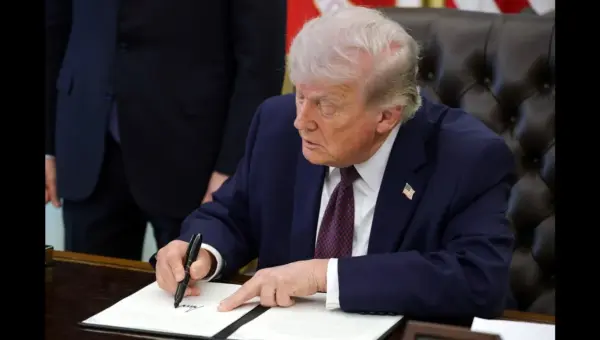
Psychedelics for Vets: Trump Signs Order to Speed Care
President Trump signed executive orders to accelerate access to psychedelic treatments for mental health issues, especially for veterans. The move aims to speed up FDA reviews, clear bureaucratic hurdles, and expand "Right to Try" access for experimental therapies like Ibo gain, which has shown significant promise in early studies.
Trump Signs Order to Speed Up Psychedelic Drug Access
President Trump has signed a new executive order designed to accelerate access to psychedelic drug therapies for mental health conditions. The initiative prioritizes research and FDA review for treatments showing promise, particularly for veterans. Key officials and advocates, including Robert F. Kennedy Jr. and Joe Rogan, were present for the historic signing.