Bulgaria’s Pro-Russian Leader Eyes EU Role Amid Instability
Bulgaria's recent election has brought a pro-Russian politician to the brink of becoming prime minister, sparking concerns within the European Union. Despite past criticisms of the EU and a desire to renew ties with Moscow, analysts suggest a rhetorical shift rather than a fundamental policy change is likely. The nation's long-standing political instability and corruption issues add complexity to its future role in Brussels.

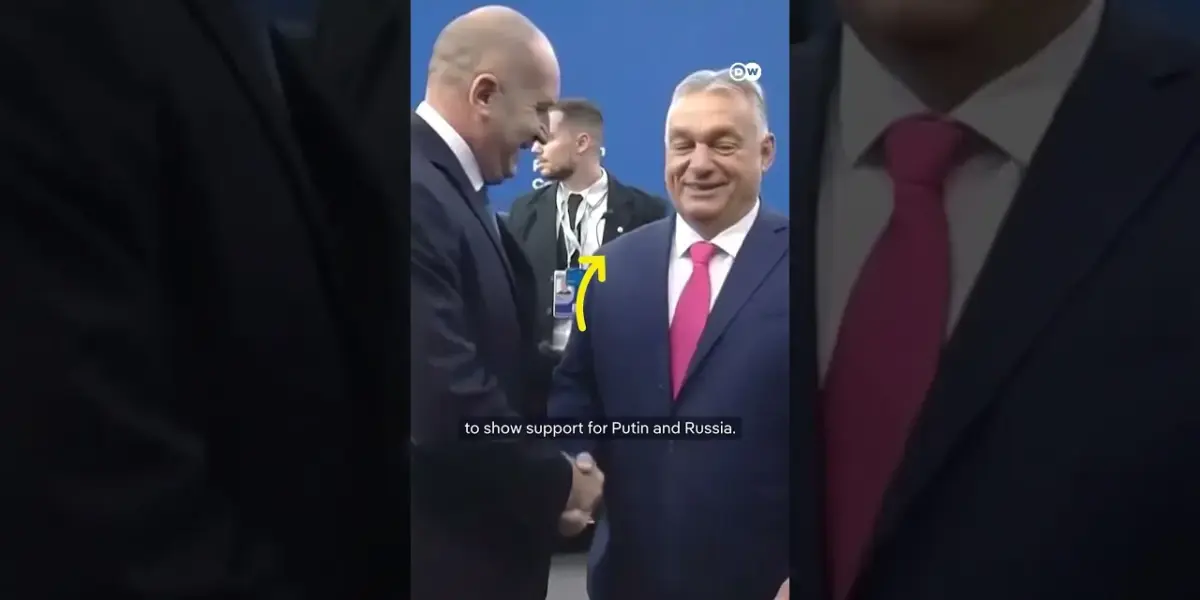
Radev Poised for Bulgarian Premiership, Raising EU Concerns
Bulgaria’s recent parliamentary election has brought a pro-Russian politician to the forefront, with a former president now set to become the country’s next prime minister. This development raises questions about Bulgaria’s future relationship with the European Union, especially given the politician’s past criticisms of the bloc and his stated desire to renew ties with Moscow. Russia has already welcomed the outcome, adding to concerns that Bulgaria could become a disruptive force within the EU, similar to Hungary under Prime Minister Viktor Orban.
Years of Political Turmoil Plague Bulgaria
The nation has been in a state of political flux since 2021. Massive anti-corruption protests led to the downfall of the government that year, triggering a series of eight elections. The most recent snap election followed another wave of anti-corruption demonstrations in December.
The incoming prime minister previously served as president for nearly nine years, stepping down to pursue the top leadership role. During his presidency, he frequently criticized the revolving door of governments.
Concerns Over Russian Influence and Corruption
“Continued instability coupled with the unresolved issue of Russian influence and systemic corruption. If we ignore this more, we might wake up to a very uncomfortable situation and we shouldn’t underestimate the dangers.”
This instability and the persistent issues of Russian influence and corruption create a challenging environment. Experts warn that ignoring these factors could lead to significant problems for Bulgaria and the wider region. The potential for Bulgaria to use its veto power on EU decisions is a key concern for Brussels.
Potential EU Obstruction and Ukraine Aid
In the past, the prime minister-elect has voiced opposition to defense cooperation with Ukraine and has spoken out against sanctions imposed on Russia. This stance suggests that Bulgaria could potentially block EU military aid to Ukraine or attempts to maintain sanctions against Moscow. This mirrors the actions taken by Hungary’s Viktor Orban, who has often used his country’s veto power to align with Russian interests.
Will Bulgaria Truly Challenge the EU?
However, the likelihood of Bulgaria becoming a consistent obstructionist force in Brussels is debated. Despite campaign rhetoric about re-establishing energy imports from Russia and opposing aid to Ukraine, some analysts believe the new leader will temper his approach upon taking office. The reasoning is that such strong anti-EU and pro-Russian pronouncements would not be well-received by other European leaders.
A Calculated Rhetorical Shift Expected
The prime minister-elect has stated that Bulgaria will make every effort to continue on its European path. This creates a tension between his campaign promises and his stated commitment to the EU. The question remains which message will guide his actual policies: the pro-European one or the pro-Russian one.
“I do not expect a fundamental change in Bulgaria’s foreign policy. Bulgaria is anchored well in NATO and EU structures. So we can expect a rhetorical shift.”
Experts anticipate that Bulgaria’s core foreign policy will likely remain unchanged, given its strong ties to NATO and EU structures. Instead of a fundamental policy shift, a rhetorical adjustment is more probable.
While a change in tone might seem minor, it’s important to remain watchful. What begins as a shift in language could potentially escalate into more significant policy changes over time, impacting the EU’s unity and its response to global challenges.
Looking Ahead: Bulgaria’s EU Role
The coming months will be crucial in determining Bulgaria’s future trajectory within the European Union. Observers will closely monitor whether the new government prioritizes its European commitments or leans towards closer ties with Russia, potentially impacting key EU decisions on security and foreign policy. Bulgaria’s ability to balance these competing interests will be a significant factor in its upcoming EU council meetings.
Source: What Bulgaria's election outcome means for the EU (YouTube)

Related Articles
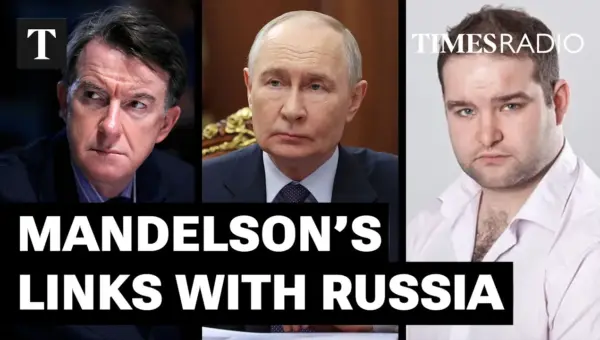
Mandelson’s Putin Lobbying Sparks Judgment Concerns
Lord Mandelson is facing scrutiny for lobbying Russian President Vladimir Putin in 2017 on behalf of a Russian company, AFK Sistema. While his actions were not illegal, critics question his judgment given Russia's adversarial stance towards the UK at the time. Mandelson received significant financial compensation for his role, adding another layer to the controversy.
Fox News Spins Falsehoods as Trump’s Iran Deal Collapses
Donald Trump's Iran deal efforts reportedly collapsed, leading to conflicting narratives from media outlets. While some promoted a strong negotiation, others claim the deal failed due to Trump's actions, with Fox News accused of spreading false information about a coup in Iran to mask the outcome.

Trump’s Iran Stance: Bold Strategy or Tactical Retreat?
The debate over Donald Trump's handling of Iran centers on whether his extension of a ceasefire was a strategic masterstroke or a sign of weakness. Supporters argue he's playing a long game, leveraging Iran's economic woes for a better deal. Critics contend this approach forfeits crucial leverage, allowing Iran to delay indefinitely.