Iran Faces Blockade, New Targets Emerge
New intelligence reveals Iran's regime facing intensified pressure from international naval blockades and emerging domestic targets. Strikes have hit commercial vessels, including a French ship, near Larak Island. Diplomatic efforts are strained as a ceasefire nears expiration, with Iran withdrawing from negotiations.

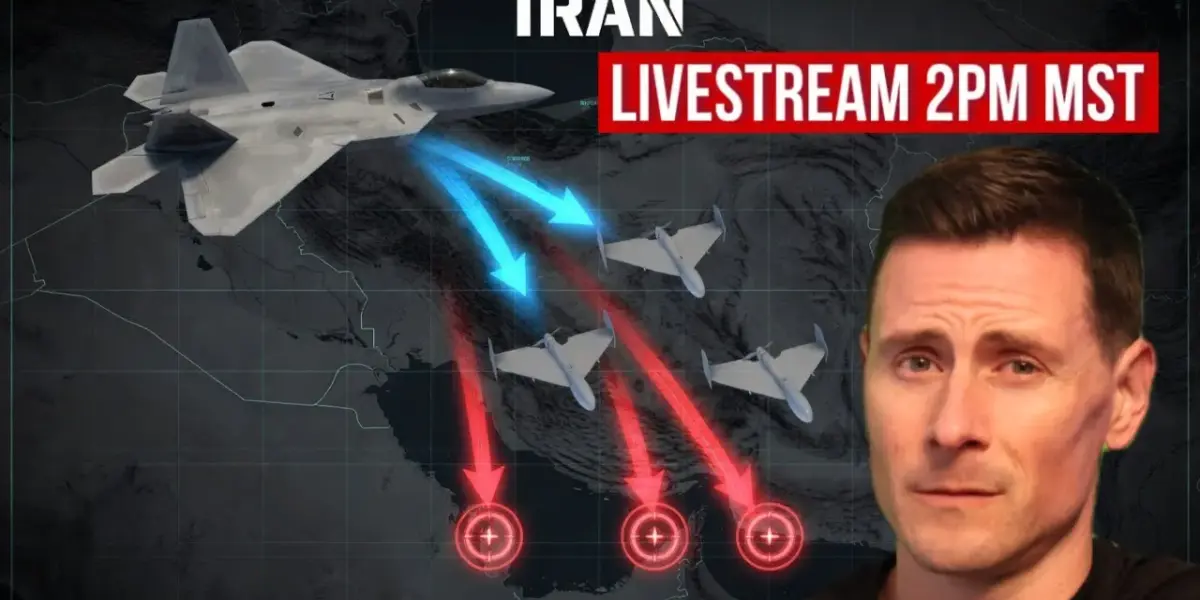
Iran Faces Blockade, New Targets Emerge Amidst Rising Tensions
Recent intelligence reveals Iran’s regime is under increasing pressure as international naval blockades tighten and new potential targets emerge within Iranian territory. Strikes have hit bulk cargo carriers, including a French vessel, near Larak Island. These actions come as a ceasefire set to expire highlights the fragile state of negotiations between Iran and international powers, particularly the United States and Israel.
The IRGC (Islamic Revolutionary Guard Corps) has been accused of employing aggressive tactics, including mining operations and attacks on commercial shipping. Imagery obtained shows Iranian forces pushing ships towards Larak Island, a move described as “playing hardball.” This escalation follows Iran’s withdrawal from negotiation tables, suggesting a potential breakdown in diplomatic efforts to de-escalate the conflict.
French Ship Hit Amidst Maritime Incidents
The CMA CGM Everglade, a French-flagged vessel, was reportedly attacked, though no crew casualties were confirmed. This incident challenges claims that only Indian tankers were targeted, suggesting a broader pattern of IRGC actions impacting international shipping. Such incidents highlight the IRGC’s alleged use of “dirty tricks” in maritime operations.
Energy Infrastructure as Potential Targets
Strikes have also impacted fuel storage tanks on Qeshm Island. These facilities are believed to be used for powering drones, making them legitimate targets under international law when used to support military operations. The targeting of energy infrastructure highlights a shift in strategy, aiming to disrupt Iran’s drone capabilities.
Communication and Drone Launch Sites Identified
Intelligence points to communication sites on Hengam Island, specifically a tower with an elevated position offering a view of the Strait of Hormuz. Such sites are crucial for detecting ship movements and identifying their national origin. The continued operation of these sites, if not struck, suggests a potential strategic decision or oversight by opposing forces.
Naval Bases and Special Forces Headquarters Under Scrutiny
Imagery of the IRGC’s Fifth Naval District headquarters has been released, identifying it as a key command center. This base, along with the IRGC Navy Special Forces Brigade compound on another island, features lookout towers and defensive structures. These locations are considered high-priority targets should hostilities resume, potentially facing direct strikes.
Siri Island: A Hub of Activity
Siri Island is now a significant location, hosting oil storage facilities and numerous anti-aircraft (AAA) positions, including Russian-made Dishka systems. The island also contains a soccer stadium and a bunker site under construction, indicating ongoing military development and defensive preparations. Its role as a terminal for oil exports, with associated loading docks and naval vessels, makes it a potential target if used to fuel Iran’s war machine.
Fast Boats and Proxy Warfare
The IRGC’s continued ability to engage in maritime actions is attributed to its fleet of fast boats. These vessels, capable of speeds up to 40-50 knots, allow for rapid deployment and engagement. The ongoing conflict is increasingly viewed as a proxy war, with China reportedly providing high-resolution imagery to Iran, enhancing its targeting capabilities.
Radar and Training Sites
Key radar and communication sites are identified as critical for detecting surface-to-air missile launches and monitoring activity in the Strait of Hormuz. Military training sites, including shooting ranges, are observed, suggesting Iran’s focus on maintaining and improving the combat readiness of its forces, particularly its naval special forces.
US Naval Blockade and Seizure of Cargo Ship
The United States Navy is maintaining a blockade in the region, which played a role in the apprehension of the commercial container vessel Tooshka. Reports indicate a third carrier, the USS George H.W.
Bush, is en route to reinforce regional assets. This naval posture is intended to exert pressure and limit Iran’s maritime activities.
Negotiations and Ceasefire Extension
Despite escalating tensions, a ceasefire has reportedly been extended, though the terms remain fluid. Negotiations, potentially involving Pakistani mediators, are ongoing but face challenges due to mutual accusations of undermining good faith. Iran’s stance emphasizes results-oriented negotiations, contingent on the lifting of the blockade.
Iran’s Defiant Stance
Iranian officials have characterized the US blockade and boarding of ships as acts of war and ceasefire violations. They express readiness to resist and suggest possessing undisclosed “new cards on the battlefield.” These could include advanced electro-optical sensors, potentially supplied by China, to enhance targeting systems.
The overall tone from both sides remains maximalist, with time-constrained negotiations. The US military’s superior positioning and Iran’s reliance on proxy tactics and asymmetric operations define the current strategic dynamic. The situation remains volatile, with both sides warning of rapid escalation should diplomatic efforts fail.
Source: Iran's Regime Cornered As Their New Battlefield Cards Surface LIVESTREAM (YouTube)

Related Articles

US Navy Seizes Illicit Oil Cargo at Sea
U.S. forces boarded a sanctioned oil tanker in the Indian Ocean, seizing cargo smuggled from Iran. This action underscores the ongoing efforts to enforce international sanctions and disrupt illicit financial networks operating through vital shipping lanes. The operation highlights the complex challenges and strategies involved in maritime interdiction.


Americans Reject Trump’s Iran Stance Swiftly
A new NBC poll reveals that a vast majority of Americans disapprove of Donald Trump's handling of the Iran situation, with opinions forming much faster than during past conflicts. This rapid disapproval, coupled with a lack of clear justification from the administration, highlights a public that is highly engaged and critical of foreign policy decisions.


Expert Slams US Approach to Iran Talks as Amateurish
Sir Lawrence Freedman, a renowned war studies professor, has strongly criticized the U.S. handling of Iran negotiations as "amateurish and incompetent." Amidst confusion over potential ceasefire talks, key issues like the Strait of Hormuz and Iran's nuclear program remain unresolved. Freedman believes a lack of trust and internal divisions on both sides are major obstacles to a peace deal.