RFK Jr. Dodges 25th Amendment Question, Sparks Controversy
Robert F. Kennedy Jr. avoided answering a direct question about invoking the 25th Amendment if a president fails a mental fitness test. This response has sparked controversy, with critics questioning his commitment to constitutional safeguards. The incident highlights ongoing debates about presidential fitness and accountability.

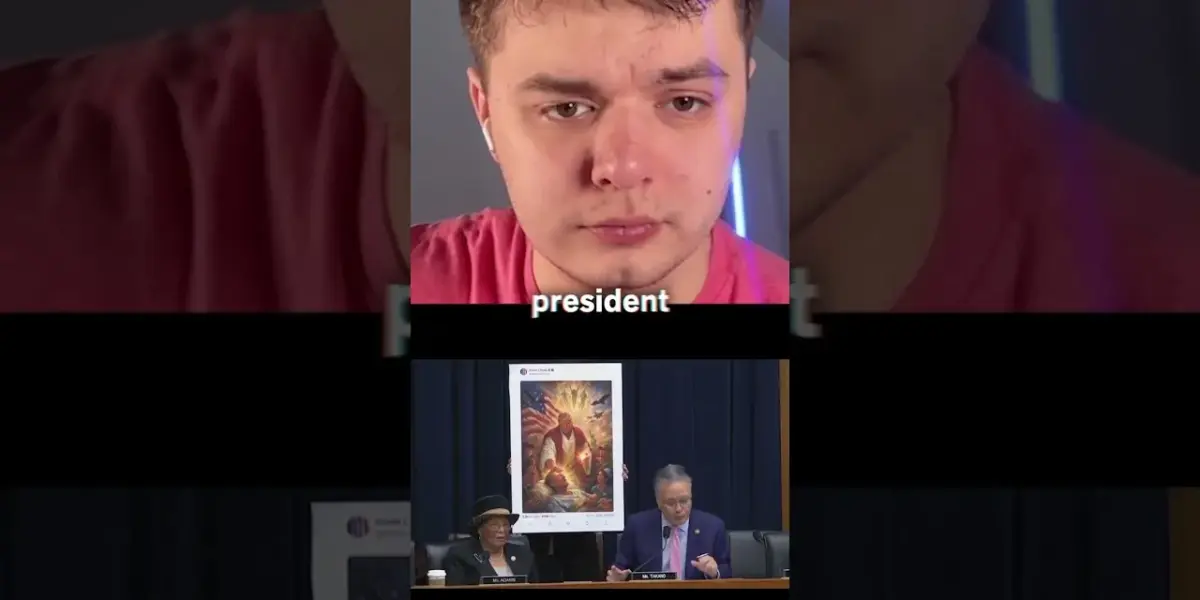
RFK Jr. Dodges 25th Amendment Question, Sparks Controversy
Robert F. Kennedy Jr. recently faced a direct question about using the 25th Amendment to remove a president deemed mentally unfit.
During a public exchange, a reporter pressed him on whether he would vote to invoke this amendment if a president failed a mental fitness test. Kennedy’s response, or lack thereof, has drawn significant attention and raised concerns among voters and political observers.
The 25th Amendment allows the vice president and a majority of the cabinet to declare a president unable to discharge their duties. This power can lead to the president being removed from office.
The question posed to Kennedy was specific: would he vote to invoke the 25th Amendment if a president, presumably Donald Trump, failed an assessment of mental or emotional stability. The reporter emphasized the urgency and importance of a clear answer.
Despite repeated attempts to get a direct response, Kennedy did not clearly state whether he would vote to invoke the 25th Amendment. This avoidance of a direct answer has been interpreted in various ways.
Some see it as a strategic political move, while others view it as a failure to uphold a critical constitutional safeguard. The reporter expressed frustration, suggesting that the official was prioritizing loyalty to a specific individual over constitutional duty.
Why This Matters
The 25th Amendment is a vital tool for ensuring national stability and competent leadership. It provides a mechanism to address situations where a president’s mental or physical health could jeopardize the country’s security. A clear stance on its potential use, especially in the context of concerns about a president’s fitness, is crucial for public trust and accountability.
Kennedy’s hesitation to answer a question about such a significant constitutional power raises questions about his commitment to the principles it represents. It suggests a potential reluctance to engage with difficult but necessary decisions that could arise during a presidency. This could be seen as a worrying sign for those who prioritize decisive leadership and adherence to constitutional processes.
Historical Context and Background
The 25th Amendment was ratified in 1967, following the assassination of President John F. Kennedy and the extended incapacitation of President Woodrow Wilson.
It clarifies the line of succession and outlines procedures for presidential disability. While it has been invoked in cases of temporary presidential incapacitation, such as during medical procedures, its use to remove a president for mental unfitness has never occurred.
Discussions about invoking the 25th Amendment have surfaced at various times in recent history, often during periods of heightened political tension or when concerns about a president’s behavior or cognitive abilities have been publicly debated. These discussions highlight the amendment’s role as a potential last resort for addressing perceived threats to the nation’s governance.
Implications and Future Outlook
Kennedy’s non-committal response could have implications for his campaign and his image as a potential leader. Voters often look for clarity and decisiveness from candidates, especially on matters of constitutional governance. His stance might alienate some voters who value a direct approach to these serious issues.
The incident also brings renewed attention to the 25th Amendment itself. It prompts a broader public conversation about the criteria for presidential fitness and the responsibilities of public officials in upholding constitutional checks and balances. As presidential elections approach, voters will likely scrutinize candidates’ views on such fundamental aspects of American governance.
This event is a reminder that political figures are often tested on their understanding and willingness to act on critical constitutional provisions. The public’s expectation is for leaders to be prepared for all eventualities, including those that involve safeguarding the nation’s stability through established legal frameworks.
The debate over presidential fitness and the use of the 25th Amendment is likely to continue. Voters will be looking for candidates who can articulate a clear vision for leadership and demonstrate a firm commitment to constitutional principles. Kennedy’s next public statements on this matter will be closely watched.
Source: RFK Won’t Answer on the 25th Amendment #politics #fyp #new (YouTube)

Related Articles

Boxer Slams Trump’s ‘Corner Store’ Remark as Out of Touch
Former Senator Barbara Boxer criticized Donald Trump's "corner store" comment as out of touch, highlighting voter concerns amid the Strait of Hormuz reopening. Analysts debate whether the administration's touting of the strait's opening is a true victory or a resolution to a self-created crisis. Economic anxieties and voter enthusiasm remain critical factors in the upcoming elections.

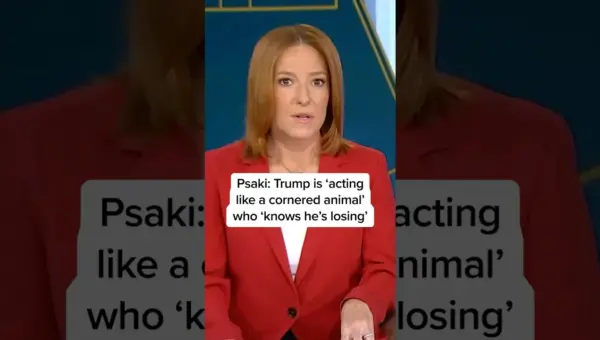
Psaki: Trump ‘Cornered Animal’ Losing Support, Polls Show
Jen Psaki has described Donald Trump's campaign behavior as that of a 'cornered animal' who 'knows he's losing.' Psaki cited recent polls showing Trump's approval ratings have fallen below 40 percent in six tracked surveys. This suggests a potential weakening of his support base and a defensive posture in his public actions.
Impeachment Looms: Trump Faces Growing Calls for Removal
Democrats are increasingly discussing impeachment and the 25th Amendment against Donald Trump, citing concerns about his fitness for office and alleged wrongdoings. Representative Jamie Raskin has introduced legislation to create a commission to assess Trump's cognitive and physical abilities. These efforts are happening amidst falling poll numbers and renewed focus on his past actions, including retaliation against whistleblowers and potential war crimes.