RFK Jr. Health Reforms Spark Debate: A Look at the Changes
Robert F. Kennedy Jr.'s health policy reforms are sparking debate, focusing on budget cuts and drug pricing. Proposals include changes to NIH funding and the regulation of popular peptides, aiming for a more accountable healthcare system.

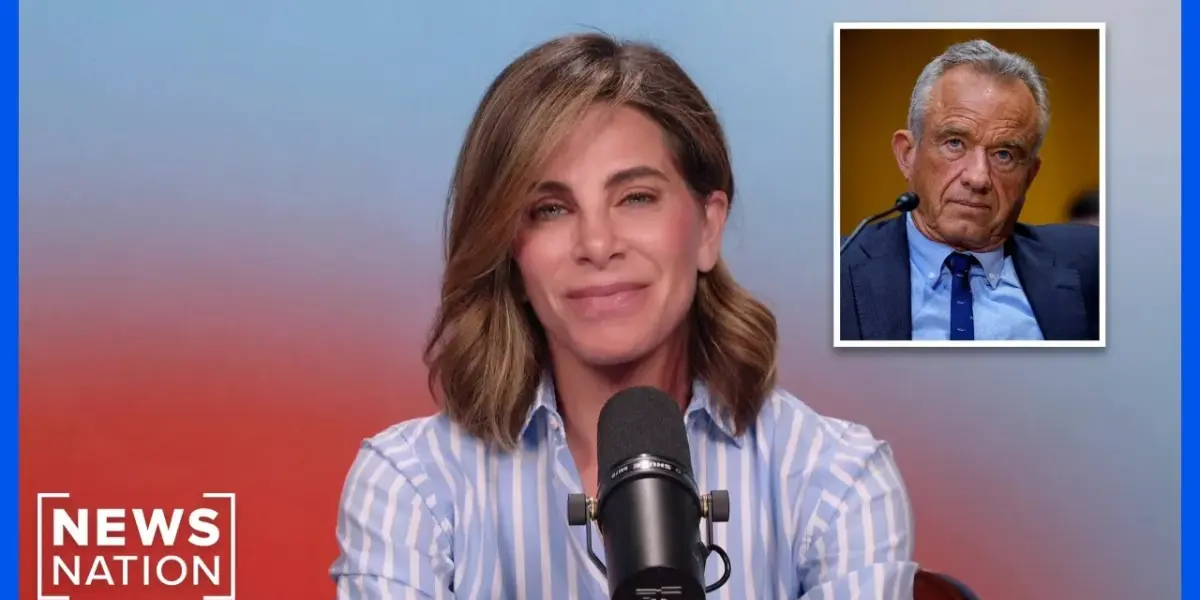
RFK Jr. Health Reforms Spark Debate: A Look at the Changes
Robert F. Kennedy Jr. is making waves in US health policy, pushing for significant changes that have drawn both praise and criticism.
He recently testified before House committees, discussing proposals that could reshape how healthcare and research are funded and managed. These efforts, part of the “Make America Healthy Again” movement, aim to tackle long-standing issues within the American health system.
Budget Cuts and NIH Funding
A key part of the proposed changes involves budget cuts, with a nearly $16 billion reduction suggested for the Department of Health and Human Services (HHS). This move comes as the nation grapples with a substantial national debt, estimated at around $39 trillion. While some cuts are viewed as necessary to streamline government spending, others, like those affecting the National Institutes of Health (NIH), have raised serious concerns.
The proposed $5.7 billion cut to the NIH is particularly contentious. The argument is that taxpayer money funds drug research and development, only for large pharmaceutical companies to then patent these discoveries and charge Americans high prices.
This cycle is seen by critics as a form of corruption, where the public pays for research upfront and then overpays for the final product. Kennedy’s proposals aim to make drug companies take more responsibility for these research costs.
The Peptide Debate: Safety vs. Access
What are Peptides?
Recent discussions have focused on peptides, which are short chains of amino acids that act as the building blocks of proteins. They play roles in processes like muscle growth and skin health. The Food and Drug Administration (FDA) is set to consider 12 specific peptides that have gained popularity, especially for self-administration at home.
Concerns and Proposed Solutions
Critics worry that many of these peptides are untested and potentially dangerous. Dr. Shah, a medical expert, has stated that manufacturers should be required to conduct studies proving the safety and effectiveness of their peptides before seeking FDA approval. He believes that without such evidence, widespread use is not advisable due to potential risks.
However, the current situation involves people obtaining peptides on the “gray market” and self-treating at home, often with unverified products. This practice can lead to the use of substances contaminated with dangerous elements like heavy metals.
The proposal to open up access to a carefully selected group of 12 well-researched peptides aims to allow compounding pharmacies to produce safer, regulated versions. This would help prevent the use of harmful, unvetted substances and ensure better quality control.
A Pulse Check on the Movement
The “Make America Healthy Again” movement faces a mixed reception, with some hoping for more widespread changes. There has been considerable upset over an executive order granting immunity for glyphosate, a widely used herbicide. This decision has left many feeling unhappy and concerned about environmental and health impacts.
Despite these setbacks, advocates point to several achievements. The movement has influenced changes to the food pyramid and is working to remove pre-approval requirements that can delay necessary medical procedures.
Efforts to lower drug costs and ensure the availability of essential items like baby formula are also highlighted as positive steps. While the changes are not perfect, supporters argue that the current direction represents a significant improvement compared to previous administrations.
Why This Matters
The push for health policy reform under RFK Jr. touches on fundamental questions about government spending, pharmaceutical industry practices, and public health regulation. The debate over budget cuts, particularly to research institutions like the NIH, highlights the tension between fiscal responsibility and the need for scientific advancement. The controversy surrounding peptides highlights the challenges of regulating new health products in a rapidly evolving market, balancing innovation with consumer safety.
Implications and Future Outlook
These proposed reforms could lead to a more transparent and accountable healthcare system. If successful, they might reduce the financial burden on consumers for prescription drugs and ensure that research funding is used more effectively.
The focus on regulating substances like peptides could set a precedent for how the FDA handles emerging health trends and products. However, potential budget cuts could also slow down critical research and development, impacting future medical breakthroughs.
The political landscape surrounding these changes is complex, with various stakeholders holding strong opinions. The success of RFK Jr.’s agenda will likely depend on continued public engagement and the ability to navigate these differing viewpoints. The movement’s ability to achieve its goals will shape the future of health policy for years to come.
The next steps for these proposed reforms will be closely watched as they move through legislative committees and public discourse throughout the summer.
Source: RFK Jr.’s efforts to reform US health policy largely successful: Jillian Michaels | The Hill (YouTube)

Related Articles

RFK Jr. Accused of ‘Charlatanism’ Over Tylenol-Autism Claims
Robert F. Kennedy Jr. is facing accusations of being a "charlatan" for promoting the debunked theory that Tylenol causes autism. A recent study involving over a million people found no link, yet the misinformation continues to cause fear among parents. This controversy highlights the dangers of health misinformation and its impact on public health decisions.

RFK Jr. Defends Health Agency Amid Vaccine Messaging Clash
HHS Secretary Robert F. Kennedy Jr. clashed with Rep. Linda Sanchez over vaccine messaging during a House hearing. While Sanchez pressed on potential misinformation, Kennedy emphasized the critical threat of chronic diseases to American health.

RFK Jr. Grilled on Raw Milk Stance During Capitol Hill Hearing
Robert F. Kennedy Jr. was questioned about his past support for raw milk during a Capitol Hill hearing. Representative Rosa DeLauro pressed him on whether he felt a moral duty to discourage raw milk consumption due to health risks. The exchange highlighted ongoing debates about food safety and personal choice.