Impeachment Looms: Trump Faces Growing Calls for Removal
Democrats are increasingly discussing impeachment and the 25th Amendment against Donald Trump, citing concerns about his fitness for office and alleged wrongdoings. Representative Jamie Raskin has introduced legislation to create a commission to assess Trump's cognitive and physical abilities. These efforts are happening amidst falling poll numbers and renewed focus on his past actions, including retaliation against whistleblowers and potential war crimes.

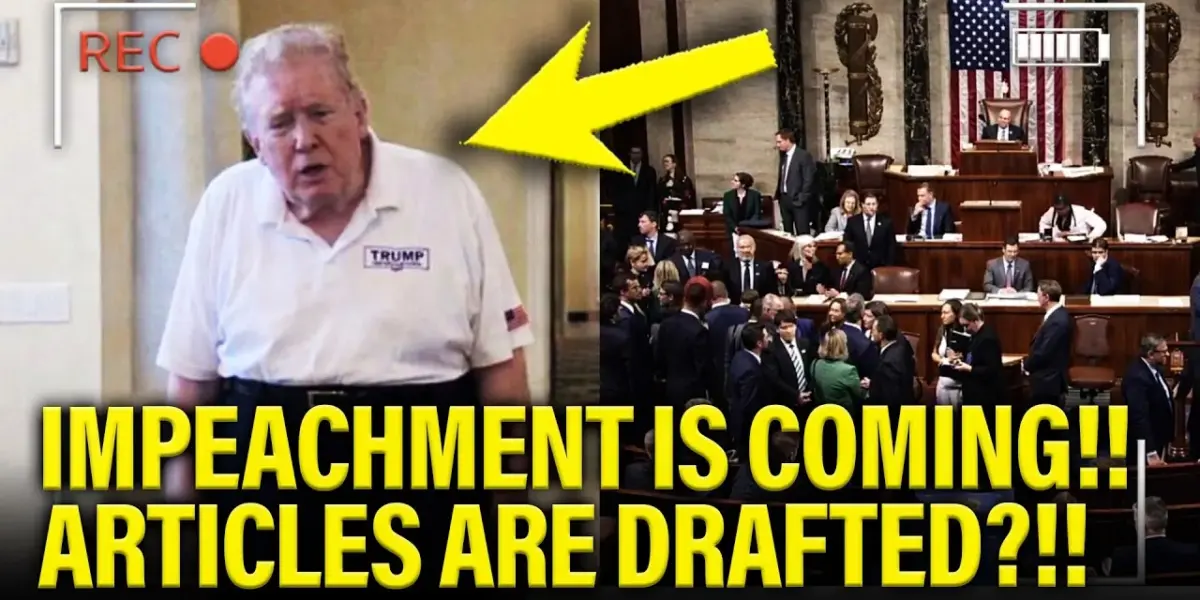
Impeachment Looms: Trump Faces Growing Calls for Removal
Democrats on Capitol Hill are increasingly discussing impeachment and invoking the 25th Amendment against Donald Trump. This comes as they anticipate gaining control of both the House and the Senate in the upcoming midterm elections. These discussions are not just theoretical; lawmakers are actively exploring ways to address concerns about Trump’s fitness to serve.
Democratic Representative Jamie Raskin has introduced legislation to create a commission. This commission would specifically analyze Donald Trump’s cognitive and physical ability to function in office.
Alongside these efforts, impeachment proceedings are being discussed repeatedly. These actions are happening as Trump’s public approval ratings have reportedly fallen.
Concerns Over Fitness and Past Actions
The transcript suggests that Trump’s polling numbers are lower than Richard Nixon’s were before his resignation. This fuels concerns that Trump is deeply worried about impeachment. His actions, such as focusing on past impeachments and targeting whistleblowers, are seen as attempts to prevent future investigations.
The speaker argues that Trump has a history of using government power against his political opponents. This is viewed as a tactic to intimidate witnesses and deter future impeachment efforts. However, the speaker believes these tactics will ultimately fail.
“This is his way to try to scare off future impeachments. It ain’t going to work.”
Historical Parallels and Legal Avenues
The discussion draws a parallel to Richard Nixon, who resigned from the presidency. The argument is made that Trump should also resign or be removed, citing alleged war crimes and concerns about his current physical and mental state. The speaker notes that Trump often struggles to complete sentences and appears erratic, suggesting a decline in his ability to govern.
The transcript mentions specific actions by Trump that are viewed as impeachable offenses. These include alleged weaponization of government, threatening foreign nations for personal gain, and making statements that could be interpreted as threats to global stability.
Whistleblower Retaliation and Past Impeachment
A notable point is the alleged action by Director of National Intelligence Tulsi Gabbard. She reportedly sent a criminal referral to the Justice Department concerning the handling of the whistleblower complaint that led to Trump’s 2019 impeachment. Gabbard’s office released documents they claim show the intelligence community’s Inspector General Michael Atkinson did not follow proper procedures.
This action is linked to Trump’s first impeachment, which involved allegations of Russian interference. The transcript emphasizes the alleged quid pro quo involving Ukraine, where military aid was reportedly withheld until Ukraine investigated the Bidens. Whistleblowers who brought these issues to light are seen as targets of Trump’s retaliation.
Concerns Over War Crimes and International Law
Lawmakers are also raising concerns about potential war crimes. Democratic representatives like Seth Moulton and others have used the term to describe actions related to the conflict in Iran. They point to Trump’s threats to bomb civilian infrastructure if Iran did not comply with U.S. demands.
Senator Chris Van Hollen questioned whether threatening to destroy civilian infrastructure would be a violation of international law. The discussion highlights the tension between national security interests and adherence to international humanitarian law. Some argue that Trump’s strong language and threats, while concerning, ultimately led to diplomacy and a ceasefire.
The 25th Amendment and Cognitive Fitness
The 25th Amendment, which allows for the removal of a president deemed unfit to discharge the powers and duties of their office, is a central theme. Legislation has been introduced to establish a commission to evaluate Trump’s mental and physical capacity. This effort has garnered significant support, with numerous co-sponsors.
The idea of Trump being unfit for duty is echoed by various figures, including some Republicans and conservative commentators. They express concern about his mental stability and cognitive decline, viewing him as a national security threat. Representative Raskin is leading the charge on the 25th Amendment bill and investigating cognitive decline.
Impeachment of Officials and Future Outlook
Beyond Trump, articles of impeachment have also been filed against other officials, such as Pete Hegseth. These accusations stem from alleged violations of oaths and duties, including claims of war crimes related to an attack in Iran that reportedly killed children. These actions are seen as part of a pattern of behavior that warrants accountability.
The transcript suggests that Democrats aim to use every opportunity to hold Republicans accountable and put them on record regarding controversial policies. The push for impeachment and the use of the 25th Amendment reflect a strategy to challenge the administration’s actions and leadership.
Why This Matters
The ongoing discussions about impeachment and the 25th Amendment highlight deep divisions and serious concerns within the U.S. political system. They reflect a debate not only about a specific president’s actions but also about the stability of democratic institutions and the interpretation of presidential powers.
The focus on fitness for office and potential war crimes raises profound questions about accountability, international law, and the standards expected of those in the highest positions of power. The outcome of these discussions could significantly shape the future of presidential oversight and the checks and balances within the government.
Implications and Future Outlook
The frequent discussions of impeachment and the 25th Amendment suggest a persistent effort by Democrats to challenge Trump’s presidency. Even if immediate removal does not occur, these efforts serve to document alleged wrongdoings and influence public opinion.
The possibility of Democrats gaining control of Congress in the midterms could embolden these efforts, potentially leading to more formal impeachment proceedings. The debate over Trump’s fitness and actions will likely continue to be a central theme in American politics.
The discussions also point to a broader trend of increased scrutiny on presidential conduct and a willingness to use constitutional mechanisms to address perceived abuses of power. The future outlook involves continued political battles over accountability and the definition of impeachable offenses.
As of the latest reports, Democrats are actively pursuing legislative measures and public discussions aimed at holding the president accountable. The next steps will likely involve further congressional action and public debate on these critical issues.
Source: Trump in TERROR as IMPEACHMENT GETS PREPARED!!!! (YouTube)

Related Articles

Trump’s Blunders: Iran, Midterms, and the Pope
Recent analysis dissects Donald Trump's political missteps, predicting struggles with Iran's nuclear program and Republican midterm losses. His escalating conflict with the Pope and perceived disconnect from average Americans are also examined, raising questions about his strategy and public image.

Trump’s Fury Erupts After Court Restricts Ballroom Project
A federal judge has limited construction on Donald Trump's White House ballroom, allowing only underground work. Trump responded with fury on Truth Social, while Pope Francis criticized "masters of war." The Trump administration then cut funding to a charity aiding migrant children, escalating the feud.

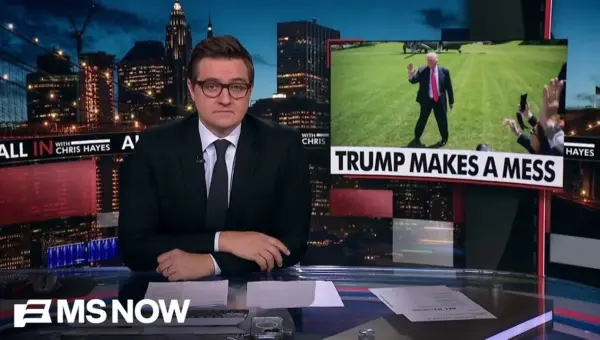
Trump Claims Credit for Ceasefire He Helped Create
Former President Donald Trump is claiming credit for brokering ceasefires in Lebanon and Iran, but critics argue his policies fueled these conflicts. Analyst Chris Hayes describes this as Trump's tendency to create the 'worst possible sustainable equilibrium.' The situations in both countries have led to significant loss of life and widespread instability, with lasting economic consequences.