Bondi Defies Subpoena: Congress Faces Test of Authority
Pam Bondi's failure to appear for a congressional deposition raises serious questions about the power of subpoenas. Congressman Jared Moskowitz discusses the potential for contempt charges and the implications for congressional oversight. The conversation also touches on political distractions and redistricting battles in Florida.


Bondi Defies Subpoena: Congress Faces Test of Authority
A scheduled deposition for former Florida Attorney General Pam Bondi has come and gone without her appearance, sparking questions about the power of congressional subpoenas. The subpoena, issued by a congressional committee, was for Bondi to testify on April 14th. Her failure to appear has led to concerns that she is defying a lawful order, raising the stakes for congressional oversight.
Congressman Jared Moskowitz highlighted the potential for a double standard, recalling when Republicans threatened contempt charges against Democrats like the Clintons. He pointed out that a subpoena holds no weight if the person summoned simply ignores it. The core issue, Moskowitz stressed, is that Bondi’s obligation to testify is personal, not tied to her former role as Attorney General.
The Stakes of Non-Compliance
If Bondi continues to refuse to testify, the committee has the power to hold her in contempt. This would then go to the full Congress for a vote.
Moskowitz suggested that if the committee fails to act, a future committee chair, potentially Robert Garcia in January, could pursue contempt charges for the original non-appearance. This would mean that congressional subpoenas could lose their authority if not enforced.
“Congressional subpoenas no longer matter. Or, you know what? Congressional subpoenas no longer matter.”
Despite the seriousness, Moskowitz offered a somewhat sympathetic view, acknowledging that few people would relish spending hours being questioned by someone like James Comey. However, he firmly believes that defiance must have consequences for the integrity of the process.
Unanswered Questions for Bondi
Moskowitz outlined a series of critical questions that investigators want Bondi to answer under oath. These questions revolve around her role in distributing binders to influencers, statements about a list of names, and whether the administration labeled the issue a “Democratic hoax.” Other concerns include why Republicans were allegedly threatened with budget cuts or primary challenges if they supported a discharge petition. There are also questions about Cash Patel’s sworn statements regarding Jeffrey Epstein’s trafficking activities and the redaction of certain names.
These questions are not minor details; they probe into the handling of sensitive information and potential political interference. The committee believes Bondi’s testimony is crucial to understanding these matters fully and ensuring accountability.
Timing and Potential Motivations
The timing of Bondi’s departure from her job just weeks before her deposition has raised eyebrows. While Moskowitz speculated it could be a combination of factors, similar to other political figures facing scrutiny, he did not believe she was fired specifically to avoid the deposition. He suggested that other undisclosed issues likely played a role in her exit.
The discussion also touched on Donald Trump’s comment about Epstein survivors refusing to go under oath. Moskowitz countered this, stating that survivors are coming forward and have the option to testify if they choose. He emphasized that Congress should provide that opportunity, not mandate it.
Consequences of Defiance
Defying a congressional subpoena is not without personal repercussions. Beyond potential contempt charges, Bondi could face the loss of her law license. This threat of professional consequences adds another layer to the potential fallout from her decision to not appear.
Moskowitz expressed hope that Bondi would comply, drawing a parallel to the Clintons who ultimately appeared. He stressed the importance of respecting Congress’s legislative authority under Article One of the Constitution.
Distractions and Political Maneuvering
The conversation then shifted to a different political issue: a perceived feud between Donald Trump and the Pope. Pope Francis issued a statement condemning the manipulation of religion for personal gain, which some interpreted as a veiled criticism of Trump. This included a recent image circulating of Trump depicted as a doctor taking the Hippocratic Oath, a move Moskowitz suggested was a distraction tactic.
Moskowitz suggested that these actions, including fights with religious figures, are attempts to divert attention from pressing issues like the economy or foreign policy. He referenced Laura Ingraham’s advice to Trump, urging him not to engage in every public dispute.
“You don’t have to swing at every pitch, Mr. President.”
The congressman believes that Trump’s tendency to “double down” on controversial imagery and public disputes, especially after the doctored photo, is a sign of his strategy to control the narrative. However, he questioned whether this approach would be effective with the Pope, given the current political climate and existing public concerns.
Gerrymandering in Florida
The discussion concluded with an examination of Florida Governor Ron DeSantis’s plan to call a special legislative session for redistricting. Moskowitz voiced concerns that this move could be a mistake, potentially leading to a “dummy mander” that could inadvertently create more Democratic seats. He suggested that DeSantis might be waiting to see how redistricting plays out in other states, like Virginia, before finalizing Florida’s maps.
Moskowitz criticized the practice of political gerrymandering, arguing it increases partisanship and makes Congress less functional. He noted that Florida voters have constitutional language prohibiting political gerrymandering and targeting incumbents, but questioned the state Supreme Court’s adherence to these rules.
As his own seat is considered the closest in the state, Moskowitz acknowledged it would likely be targeted. He stated that the process would likely be swift, with the governor drawing the map and the legislature quickly approving it, bypassing a broader public debate.
Why This Matters
The refusal of a prominent figure like Pam Bondi to comply with a congressional subpoena directly challenges the authority of Congress to conduct oversight and gather information. If such defiance goes unpunished, it could set a dangerous precedent, weakening the investigatory powers essential for a functioning democracy. This situation highlights the ongoing tension between executive and legislative branches and the public’s right to know.
The discussion on political distractions and the potential impact of controversial statements on voters is critical. In a time of constant news cycles, understanding how political figures use tactics to shift focus and whether these tactics alienate key voter demographics is crucial for assessing electoral outcomes and the health of public discourse.
Implications and Future Outlook
The Pam Bondi case could lead to further legal battles and set a precedent for how future subpoenas are handled. It also reveals the political motivations behind actions taken by both those issuing subpoenas and those receiving them. The outcome will likely influence how congressional committees approach investigations involving former officials.
Regarding redistricting, the actions in Florida could influence similar efforts in other states. The debate over fair representation versus partisan advantage continues to be a central theme in American politics, with significant consequences for future elections and legislative balance. The legal challenges expected in Florida will be closely watched.
The next steps will involve the committee’s decision on how to proceed with Pam Bondi and whether they pursue contempt charges. For Florida, the special legislative session will reveal the new district maps and likely lead to further legal challenges from voting rights advocates.
Source: UPDATE on Pam Bondi DEFYING subpoena (YouTube)

Related Articles

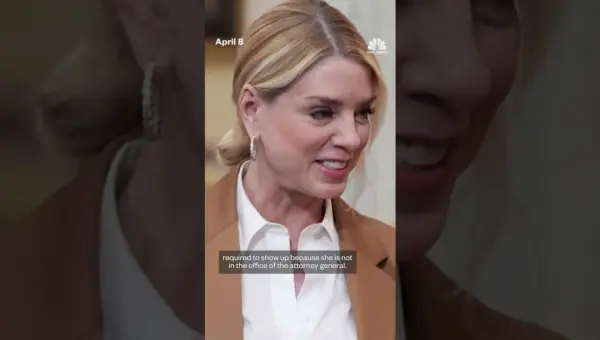
Pam Bondi Won’t Testify in Epstein Case, DOJ Says
Former Florida Attorney General Pam Bondi will not testify in the ongoing Justice Department investigation into the Jeffrey Epstein case, officials announced. The DOJ cited her current non-governmental role as the reason for canceling her scheduled appearance. However, lawmakers still aim to depose Bondi in her individual capacity.

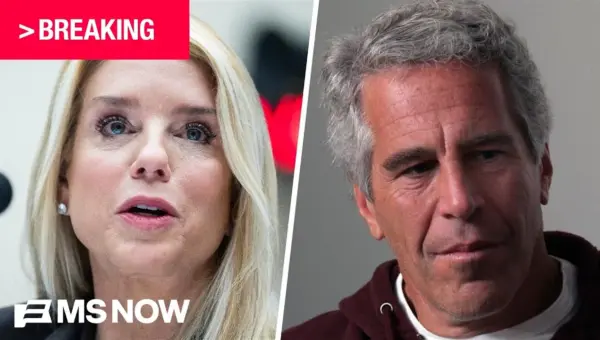
Bondi Halts Epstein Files Testimony, Democrats Threaten Contempt
Former Florida Attorney General Pam Bondi will not appear for her deposition on the Epstein files, citing her past role. Democrats are threatening contempt charges if she doesn't testify soon. Meanwhile, lawmakers are divided over the president's rhetoric and a recent ceasefire deal concerning Iran.

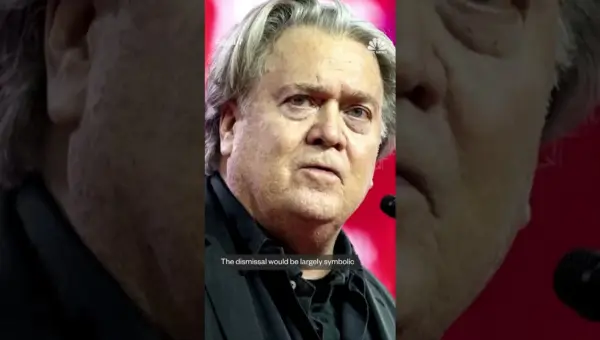
Supreme Court Clears Path to Dismiss Steve Bannon Contempt Case
The Supreme Court is clearing the way for the dismissal of Steve Bannon's contempt of Congress conviction. Bannon, a former Trump adviser, served jail time for defying a subpoena related to the January 6th investigation. This symbolic move would erase the conviction from his record.