ICE’s Top Leader Departs: What Does This Mean for Immigration Enforcement?
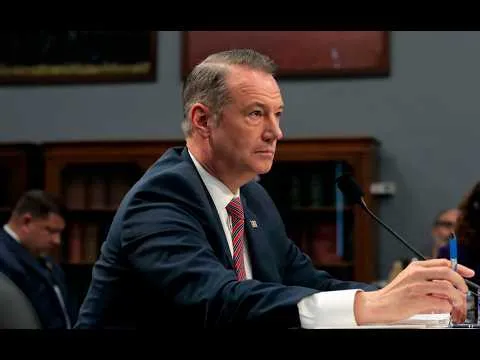
Todd Lyons, the acting director of ICE, is stepping down to move into the private sector. His tenure was marked by efforts to enforce the Trump administration's immigration policies, focusing on removing violent criminals. This leadership change comes at a critical time for immigration enforcement debates in the U.S.

ICE’s Top Leader Departs: What Does This Mean for Immigration Enforcement?
Todd Lyons, the acting director of U.S. Immigration and Customs Enforcement (ICE), is stepping down from his post. His departure at the end of May marks a significant change at the helm of a federal agency deeply involved in the nation’s immigration policies. Lyons will be moving to the private sector, leaving behind a tenure marked by efforts to enforce the Trump administration’s immigration agenda.
Department of Homeland Security (DHS) Secretary Mark Wayne Mullins praised Lyons’s contributions. Mullins stated that Lyons played a key role in removing violent criminals from American communities. He also credited Lyons with helping to revitalize the agency after a period of what Mullins described as “restrictions.” These comments highlight the administration’s view of Lyons’s leadership as a success in strengthening enforcement actions.
A Look at Lyons’s Tenure
Todd Lyons took the reins as acting director of ICE in March of 2025. His appointment came during the Trump administration, signaling a focus on aggressive immigration enforcement. He was appointed by then-DHS Secretary Kristi Noem, a key figure in the administration’s approach to border security and immigration.
Lyons’s time at ICE was characterized by efforts to implement and enforce policies aimed at increasing deportations and deterring illegal immigration. The agency under his leadership focused on identifying and removing individuals deemed to be threats to public safety or national security. This included targeting those with criminal records, but also expanding the scope of enforcement actions.
Broader Context: Immigration Policy Under Trump
Lyons’s departure occurs within the larger context of the Trump administration’s broader immigration policies. This period saw a significant shift in rhetoric and action regarding immigration.
Policies like the travel ban, increased border wall construction, and stricter asylum rules were all part of this administration’s agenda. ICE played a central role in enforcing these directives.
The agency’s actions during this time often drew sharp criticism from immigrant rights groups and some international observers. Concerns were raised about family separations at the border, the treatment of detainees, and the overall impact of increased enforcement on communities. Supporters, however, argued that these policies were necessary for national security and maintaining the rule of law.
Why This Matters
The leadership change at ICE is more than just a personnel move; it reflects ongoing debates about immigration enforcement in the United States. The agency’s mission is critical, balancing national security with humanitarian concerns and the economic realities of immigration. Who leads ICE, and what policies they prioritize, directly impacts millions of lives.
Lyons’s focus on removing violent criminals aligns with a widely supported aspect of immigration enforcement. However, the broader scope of ICE’s work, including detention and deportation of non-criminal individuals, remains a subject of intense public and political debate. His successor will inherit these complex challenges and the responsibility of shaping the agency’s future direction.
Trends and Future Outlook
The transition of leadership at ICE often signals potential shifts in enforcement priorities. While acting directors may maintain existing policies, a permanent appointee can bring new strategies and focus areas. The agency’s future will likely be shaped by the incoming administration’s overall approach to immigration.
Discussions about border security, pathways to citizenship, and the role of enforcement agencies like ICE are ongoing. The effectiveness and fairness of these policies will continue to be scrutinized. Lyons’s move to the private sector also highlights the career paths available to individuals who serve in high-level government enforcement roles.
Todd Lyons’s last day at ICE is May 31st. The Department of Homeland Security has not yet announced his replacement.
Source: Acting ICE Director Todd Lyons to Leave Agency at End of May (YouTube)

Related Articles


Beef Prices Soar Despite Trump Admin’s Price Cut Promises
Despite campaign promises to lower grocery prices immediately, beef costs have hit record highs, according to federal data. An investigation by MS NOW's JM Rieger reveals shifting statements from the Trump administration regarding efforts to control food prices. Consumers continue to feel the pinch as beef remains unaffordably expensive.

US Troops Hungry Amidst Iran Tensions, Congress Questions Strategy
Reports indicate U.S. troops in the Middle East are facing hunger amid escalating tensions with Iran. While a ceasefire between Israel and Lebanon was announced, questions linger about its stability. Meanwhile, Congress is scrutinizing the Trump administration's strategy, troop welfare, and the potential politicization of military leadership.


Iran Faces Economic Collapse Amid Trump’s Blockade Strategy
Iran faces severe economic pressure from a U.S.-led blockade, potentially leading to its collapse. Analysts believe President Trump's strategy of taking adversaries' threats seriously, combined with economic sanctions, is designed to force Iran's unconditional surrender on nuclear and regional issues.