US Troops Hungry Amidst Iran Tensions, Congress Questions Strategy
Reports indicate U.S. troops in the Middle East are facing hunger amid escalating tensions with Iran. While a ceasefire between Israel and Lebanon was announced, questions linger about its stability. Meanwhile, Congress is scrutinizing the Trump administration's strategy, troop welfare, and the potential politicization of military leadership.

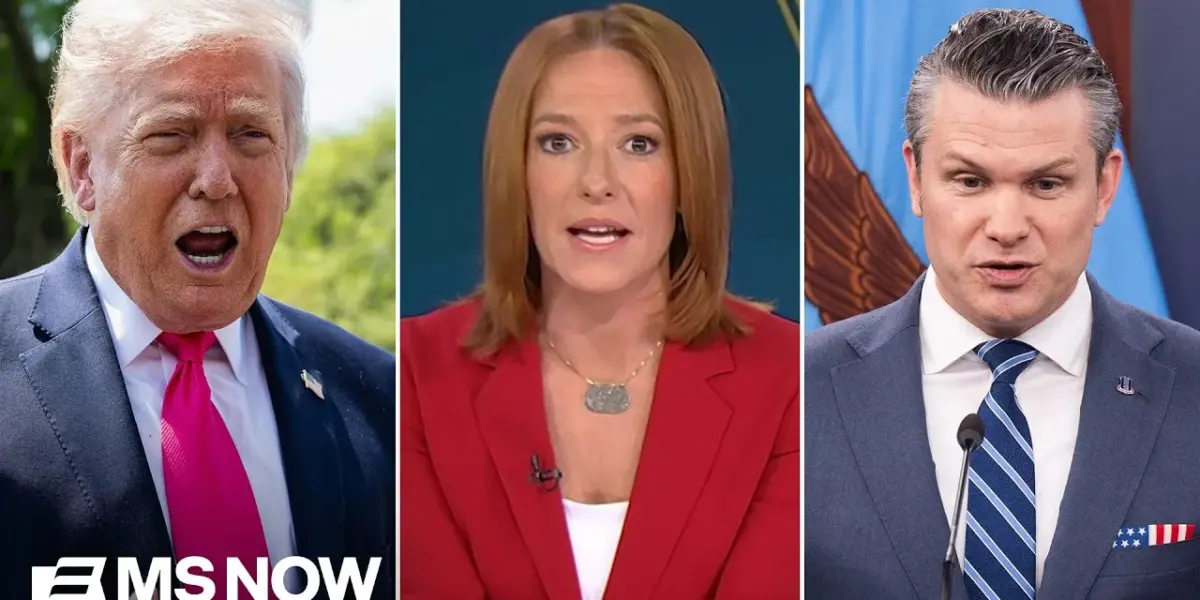
Ceasefire Announced, But Lingering Doubts Remain
President Trump announced a 10-day ceasefire between Israel and Lebanon, with hopes that the pause in fighting will hold. However, the agreement faces significant challenges.
Israeli Prime Minister Benjamin Netanyahu agreed to the pause but stated that Israeli forces would not withdraw from Lebanese territory. Meanwhile, the Lebanese government lacks full control over the militant group Hezbollah, which is heavily involved in the conflict with Israel.
Hezbollah has acknowledged the ceasefire announcement but has not directly committed to abiding by it. The group stated its actions would depend on how future events unfold, a broad and vague statement. This uncertainty leaves the situation fragile, with many hoping the ceasefire will be successful.
US Shifts Focus to Iran Peace Talks Amid Military Buildup
Concurrently, the Trump administration announced new potential peace talks with Iran. Despite this diplomatic effort, the U.S. military presence in the Middle East remains significant, with tens of thousands of troops in a holding pattern. The current situation suggests a lack of clear planning by the administration to manage these complex developments.
Reports from USA Today highlight concerns about the well-being of U.S. troops. Sailors and Marines aboard the USS Tripoli and other ships enforcing a blockade have reportedly experienced constant hunger, with images circulating of meager meals. The Pentagon has not yet commented on these reports, despite inquiries from USA Today and MSNBC.
Troops on High Alert, Facing Extended Deployments
These troops are reportedly ready to re-engage in combat at any moment if Iran does not agree to a deal. President Trump has indicated that fighting could resume if a deal is not reached. This comes just hours after Defense Secretary Pete Hegseth threatened potential actions against Iranian civilian infrastructure.
Hegseth stated the U.S. is prepared to target critical dual-use infrastructure, including power generation and the energy industry. He added that while the U.S. would prefer not to, they are ready to act on the President’s command. These statements have raised concerns among military officials and lawmakers.
Congressmen Raise Concerns Over Troop Welfare and Oversight
Congressmen Pat Ryan and Chris DiLuzio, both U.S. veterans and members of the House Armed Services Committee, expressed serious concern over the reports of troop hunger and the administration’s strategy. They emphasized the basic necessity of taking care of troops sent into harm’s way.
The congressmen criticized the lack of oversight from the Republican leadership on the committee. They argued that Congress has a duty to investigate such reports and demand answers from the administration. The failure to do so, they stated, represents a significant lapse in congressional responsibility.
Strategic Ambiguity and Escalatory Cycle
Congressman Ryan described the current situation as the U.S. administration applying a band-aid to a problem it created. He questioned the long-term strategy, noting that the hostilities between the U.S. and Iran are far from over, despite the ceasefire announcement. He pointed out that 50,000 troops remain stationed in the Middle East, waiting for further developments.
The core issue, according to Ryan, is the lack of a clear strategic aim. While tactical successes like strikes may occur, the administration has not defined what success looks like or how the conflict will end. This ambiguity, he believes, makes achieving any positive outcome impossible.
Threats Against Civilian Infrastructure and Military Leadership
The congressmen also addressed Secretary Hegseth’s comments regarding dual-use infrastructure. They explained that threatening to attack civilian infrastructure is against international and U.S. law. Such threats, they argued, are dangerous and could be seen as an attempt to distract from the direct threats made against the Iranian people and their infrastructure.
Concerns were raised about the recent ousting of senior military officers. This is seen by some as a sign that loyalty to President Trump is being prioritized over the oath to the Constitution. The unexplained firing of General George, a highly respected four-star general, is a particular point of concern, suggesting a troubling trend in military leadership appointments.
Internal Divisions and Political Maneuvering
A congressional hearing revealed a potential conflict between Army Secretary Dan DisCh DisCh DisChrolle and Secretary Hegseth. DisCh DisCh DisChrolle praised General George’s service while subtly suggesting civilian leadership has the right to choose military leaders. This exchange was interpreted by some as a veiled criticism of recent personnel decisions.
Sources suggest that Hegseth and DisCh DisCh DisChrolle have a strained relationship, and General George’s firing may have been related to internal power struggles. This is seen as particularly dangerous during an active conflict, where political maneuvering could undermine military effectiveness and national security.
Testing the Boundaries of Military Neutrality
The congressmen emphasized the historical precedent of maintaining a clear line between politics and the military. They expressed concern that current actions are testing, and potentially destroying, this crucial separation. This erosion of military neutrality, they warned, makes the nation less safe for everyone.
The situation highlights the complex challenges facing U.S. foreign policy in the Middle East. The administration’s approach, balancing diplomatic overtures with military threats and troop deployments, faces scrutiny from lawmakers concerned about strategic clarity, troop welfare, and the integrity of military leadership.
Source: Trump is stuck looking for military solution to an economic problem in Iran (YouTube)

Related Articles

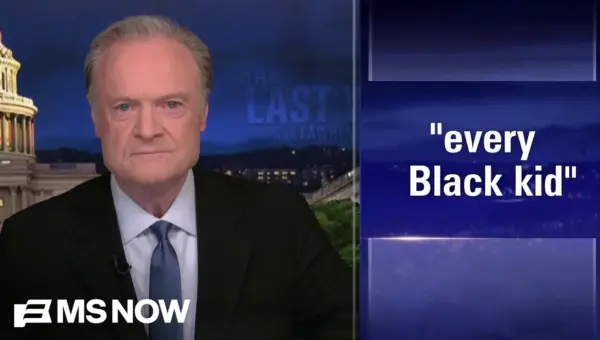
RFK Jr. Accused of Lying to Congress About ‘Reparenting’ Black Children
Robert F. Kennedy Jr. is accused of lying to Congress about his past remarks suggesting all Black children need to be "re-parented" by the federal government. Critics, including Michael Steele, call the comments racist and evidence of his unfitness for office. The controversy highlights concerns about harmful stereotypes and the potential impact on health policy.
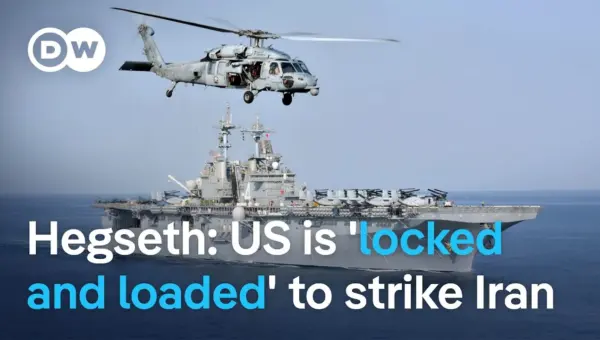
US Blockades Iran’s Oil: Economic Fury Unleashed
The United States has imposed a naval blockade on Iran's ports, intensifying economic pressure by targeting the country's vital oil exports. This move, part of "Operation Economic Fury," aims to cripple Iran's revenue streams and force concessions. Experts warn the blockade could severely choke off Iran's economy, impacting its ability to fund government operations and potentially leading to internal instability.
Iran Faces Economic Collapse Amid Trump’s Blockade Strategy
Iran faces severe economic pressure from a U.S.-led blockade, potentially leading to its collapse. Analysts believe President Trump's strategy of taking adversaries' threats seriously, combined with economic sanctions, is designed to force Iran's unconditional surrender on nuclear and regional issues.