Iran Faces Economic Collapse Amid Trump’s Blockade Strategy
Iran faces severe economic pressure from a U.S.-led blockade, potentially leading to its collapse. Analysts believe President Trump's strategy of taking adversaries' threats seriously, combined with economic sanctions, is designed to force Iran's unconditional surrender on nuclear and regional issues.

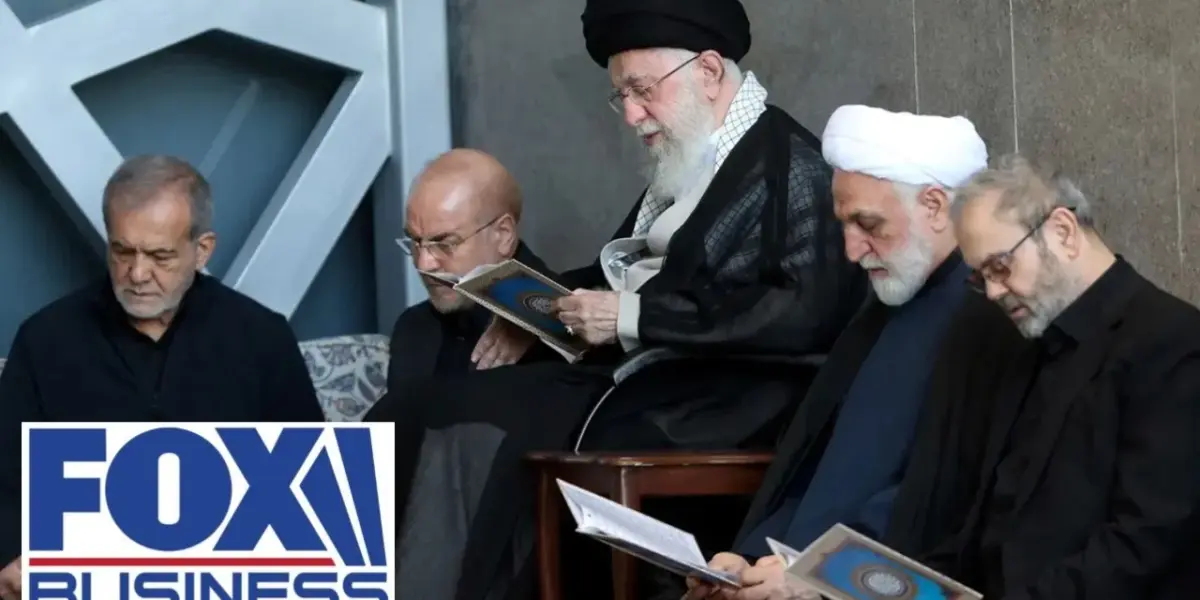
Iran Faces Economic Collapse Amid Trump’s Blockade Strategy
Former U.S. Special Representative for Iran, Brian Hook, and Fox News contributor Marc Thiessen, discussed the significant economic pressure being applied to Iran under President Trump’s administration. They highlighted how Trump is taking the words of adversaries seriously, a move they argue has prevented potential large-scale conflicts. This approach contrasts with historical instances where leaders ignored warnings, leading to devastating consequences.
Thiessen pointed to figures like Lenin, Hitler, Osama bin Laden, and Putin, whose published intentions were not taken seriously by world leaders. This inaction, he argued, resulted in millions of deaths.
He stated that Donald Trump is the first president to heed the warnings of enemies and act to stop them before they cause widespread harm. This, he believes, is a historical first for American leadership.
The Power of Economic Blockade
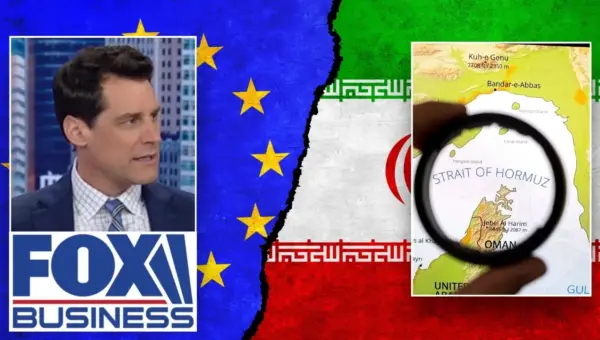
The conversation focused heavily on the economic blockade as a key strategy. Hook described it as a brilliant move, turning the Strait of Hormuz, which Iran once used for economic pressure, into a liability for the regime.
This coercive diplomacy, combining military and economic actions, is designed to strengthen diplomatic efforts. The goal is to achieve a deal regarding Iran’s nuclear program, missile development, and support for proxy groups.
The economic situation in Iran is dire. The country is experiencing the highest inflation globally, with an annual rate around 50%.
Its currency has lost 97% of its value, and there is no economic growth. The regime relies on oil sales for revenue, and by restricting access through the Strait of Hormuz, the U.S. is creating a severe cash crunch.
Potential for Domestic Unrest
This financial pressure is expected to lead to domestic unrest within Iran. The transcript suggests that if the Iranian people cannot afford basic necessities like bread, they may revolt.
This internal pressure could be a catalyst for regime change, a scenario that analysts believe could be the ultimate goal. The economic collapse is seen as a direct consequence of the blockade.
The Iranian regime right now, if you look at its economy, Larry, has the highest inflation of any country in the world. Something like 50% annually. Its currency has lost 97% of its value and there is no economic growth.
A Deal Based on Unconditional Surrender?
General Jack Keane’s perspective, as relayed in the discussion, emphasizes a demand for Iran to surrender its nuclear ambitions and related materials entirely. The U.S. is not looking to bargain or offer financial lifelines. Instead, the proposed deal involves Iran handing over all nuclear materials and allowing inspections, similar to the U.S. intervention in Libya in 2003 where nuclear materials were removed and ballistic missile programs were dismantled.
The strategy is to achieve what is described as unconditional surrender, where Iran meets all demands. This includes turning over uranium, opening nuclear sites for inspection, and ceasing support for proxies.
The United States aims to prevent Iran from developing long-range missiles and enriching uranium. The economic pressure is intended to force Iran to comply with these demands without concessions from the U.S.
Trump’s Leverage and Patience
President Trump’s approach is characterized by a clear understanding of Iran’s negotiation tactics. He is seen as having significant leverage, especially if he remains patient.
The military and economic positions are strong, and the current cease-fire has not been broken by Iran, indicating a reluctance to restart conflict. This suggests a higher likelihood of achieving the desired outcome.
The blockade is working, with the U.S. Navy enforcing it. The goal is to maintain control over the Persian Gulf region and prevent any financial support from reaching Iran.
The ultimate aim for some, as expressed in the discussion, is true regime change. The success of this strategy depends on continued pressure and Iran’s inability to sustain its current economic and political standing.
The discussion concluded with a hopeful outlook, emphasizing the effectiveness of the blockade and the potential for achieving President Trump’s objectives. The focus remains on preventing Iran’s nuclear program, ending its support for terrorism, and ensuring regional stability through strong economic and diplomatic pressure.
What Investors Should Know
The escalating economic pressure on Iran, particularly through the Strait of Hormuz blockade, is a significant development. Investors should monitor the impact of these sanctions on global oil prices and the economies of countries heavily reliant on trade with Iran. The potential for increased domestic unrest in Iran could lead to further instability in the Middle East, affecting energy markets and geopolitical risk.
The U.S. strategy of coercive diplomacy, using economic and military tools to force concessions, is a key theme. This approach suggests a willingness to sustain pressure until specific demands are met.
For investors, this signals a period of heightened geopolitical tension and potential volatility in markets sensitive to Middle Eastern affairs. The long-term implications could involve a reshaped regional economic and political landscape, depending on the outcome of these negotiations and Iran’s internal response.
The current situation highlights the importance of understanding the interplay between international relations, economic sanctions, and market reactions. The strategy employed against Iran highlights a shift towards more assertive foreign policy measures aimed at achieving specific geopolitical outcomes through economic leverage. Investors should stay informed about developments in the region and their potential impact on global financial markets.
Source: Marc Thiessen: We have to take enemies seriously (YouTube)

Related Articles
Trump’s Iran Policy Fuels Market Gains, Analysts Say
President Trump's strategy of imposing a crippling economic blockade on Iran is reportedly leading to its financial collapse and contributing to record highs in the stock market. Analysts suggest this decisive foreign policy, combined with pro-growth tax cuts, is creating a favorable environment for investors.

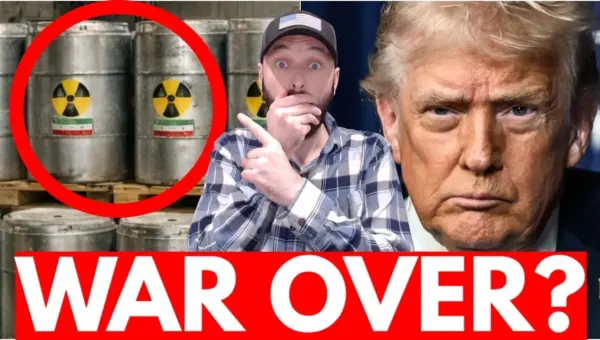
Trump Claims Iran Deal: A Leap of Faith or Risky Gamble?
President Trump claims Iran has agreed to surrender its enriched uranium, potentially ending the war. However, skepticism remains high due to Iran's history of deception, and significant military movements suggest conflict is still a strong possibility. The situation is fluid, with verification and trust being key.
Markets Rally as Iran Sanctions Tighten, Europe Faces Fuel Shortage
Markets are rallying strongly despite geopolitical tensions and a critical European jet fuel shortage. The U.S. has tightened sanctions on Iran, impacting its maritime trade, while prediction markets favor a resolution by May or June. Investors are advised to maintain a long-term view amidst this complex global environment.