Trump Sues Journal, Then Faces Them at Gala
Donald Trump, who has a history of suing news outlets, will attend the White House Correspondents' Dinner. The Wall Street Journal, an outlet he has legally challenged over Epstein-related reporting, will receive an award at the same event. This creates a unique and symbolic juxtaposition of political power and media scrutiny.


Trump Sues Journal, Then Faces Them at Gala
Donald Trump has a history of suing news organizations he believes have unfairly reported on him. This pattern is well-documented, with lawsuits filed against outlets like CNN and The New York Times over the years. However, these legal battles have rarely ended in his favor, often resulting in defeats for his attempts to control negative coverage.
A recent example involves The Wall Street Journal. Last year, the newspaper reported on an alleged link between Trump and a birthday message sent to Jeffrey Epstein around 2005. This reporting, according to Dylan Byers at Puck, highlighted a letter sent to Epstein. Now, a unique situation is unfolding that brings Trump and The Wall Street Journal into the same room.
A Curious Coincidence
The White House Correspondents’ Dinner is fast approaching, and The Wall Street Journal is set to receive a prestigious award. They will be honored with the Katharine Graham Award for Courage and Accountability. This award specifically recognizes their reporting on the aforementioned letter connected to Epstein.
What makes this situation particularly interesting is that Donald Trump himself is scheduled to attend the dinner. This marks his first appearance at this event as a former president. Historically, presidents have often been present when awards are given out, sometimes even shaking hands with the recipients. It seems unlikely that Trump will offer such a gesture to The Wall Street Journal, given their reporting and his past lawsuits.
Media and Power Collide
This upcoming event at the White House Correspondents’ Dinner offers a striking visual of the ongoing tension between political figures and the press. The dinner itself, meant to celebrate the work of journalists, will become a stage for this dynamic. The presence of both Trump and the Journal, the subject of his legal actions, encapsulates this complex relationship.
The dynamic highlights a broader trend in how powerful individuals interact with media scrutiny. While lawsuits are one tactic, the public stage often reveals deeper underlying conflicts. The White House Correspondents’ Dinner, usually a night of celebration and networking, will now host this fascinating juxtaposition of award recipient and honoree’s legal adversary.
Why This Matters
This situation is important because it shows the ongoing struggle for narrative control between powerful figures and the news media. Trump’s lawsuits, while often unsuccessful, represent an effort to push back against reporting he dislikes. The fact that he will be present at an event honoring the very outlet he has legally challenged underscores the complex and often confrontational relationship between politicians and the press.
It also speaks to the resilience of journalistic institutions. Despite legal pressures and public criticism, outlets like The Wall Street Journal continue to pursue investigative reporting. Receiving an award for such work, especially when the subject of the report is in attendance, is a significant moment. It highlights the importance of accountability and the role of the press in holding powerful individuals to account.
Historical Context
Throughout history, the relationship between presidents and the press has been varied, ranging from cooperative to adversarial. Presidents have used the media to communicate their message, while also facing intense scrutiny and criticism. Lawsuits against media outlets are not new, but the public nature of this particular encounter—at a prominent event like the White House Correspondents’ Dinner—is noteworthy.
The Katharine Graham Award itself has a history tied to courageous reporting, named after the former publisher of The Washington Post who stood up to government pressure during the Pentagon Papers era. This context adds weight to The Wall Street Journal’s recognition and the symbolic nature of Trump’s presence.
Future Outlook
The encounter at the dinner may not lead to a direct confrontation, but it serves as a potent symbol. It suggests that despite attempts to silence or intimidate, investigative journalism often finds a way to be recognized. It also indicates that the tension between those in power and those reporting on them will likely continue to be a defining feature of the political landscape.
Moving forward, we can expect continued legal challenges and public disagreements. However, events like this also underscore the enduring importance of a free and independent press. The White House Correspondents’ Dinner, in this instance, becomes more than just a social gathering; it’s a moment where these ongoing power dynamics are put on public display.
Source: What happens when Trump faces the very outlet he sued — in the same room? (YouTube)

Related Articles
Miller’s Fox News Rant Undermines Trump’s Worldview
Stephen Miller's recent appearance on Fox News defending Trump's foreign policy, particularly regarding the Strait of Hormuz, has drawn criticism. His arguments about a "woke" international order and a "checkmate" move against Iran are contrasted with a view that such actions have weakened U.S. alliances and global standing.

Trump’s Iran Standoff: Claims of Victory Mask Growing Weakness
Claims of U.S. victory in its standoff with Iran are being challenged by maritime data and Iran's defiant response. While the Trump administration boasts of maritime superiority, evidence suggests ships continue to move through the Strait of Hormuz, raising questions about the effectiveness of the blockade.
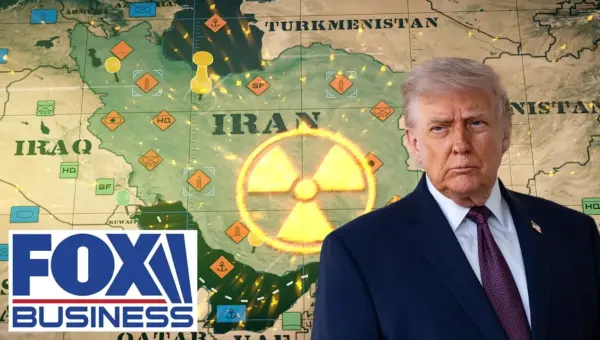
Trump: Nuclear Deal Crucial for Oil Prices
Former President Donald Trump linked the resolution of nuclear threats, particularly concerning Iran, to a stabilization and potential decrease in global oil prices. He highlighted strong domestic economic performance, including stock market highs, despite international tensions, and emphasized the benefits of his tax reform policies.