Mexico Battles Cartels: A New Strategy Emerges
Mexico's government has killed CJNG leader El Mencho, marking a violent shift from previous strategies. The move has led to cartel retaliation and heightened fears, while families of the disappeared continue their search for answers amidst decades of ongoing violence.

Mexico Takes Down Cartel Leader, Shifting Security Strategy
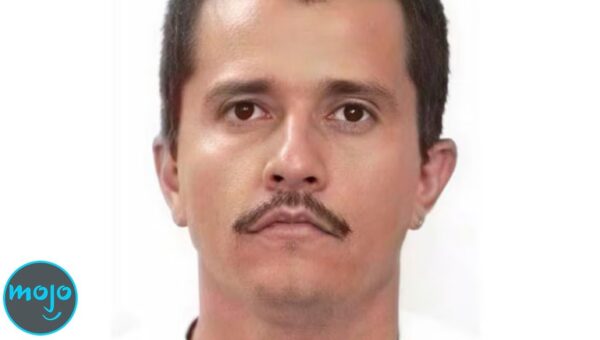
Guadalajara, Mexico – In a significant shift in its long-standing battle against powerful drug cartels, the Mexican government has executed a high-profile raid, resulting in the death of Nemesio Oseguera Cervantes, known as “El Mencho,” the leader of the Jalisco New Generation Cartel (CJNG). The dawn raid, which occurred last week, marked a violent departure from previous, less confrontational strategies and has sent ripples of both relief and apprehension across the nation.
Cartel Retaliation and Lingering Fear
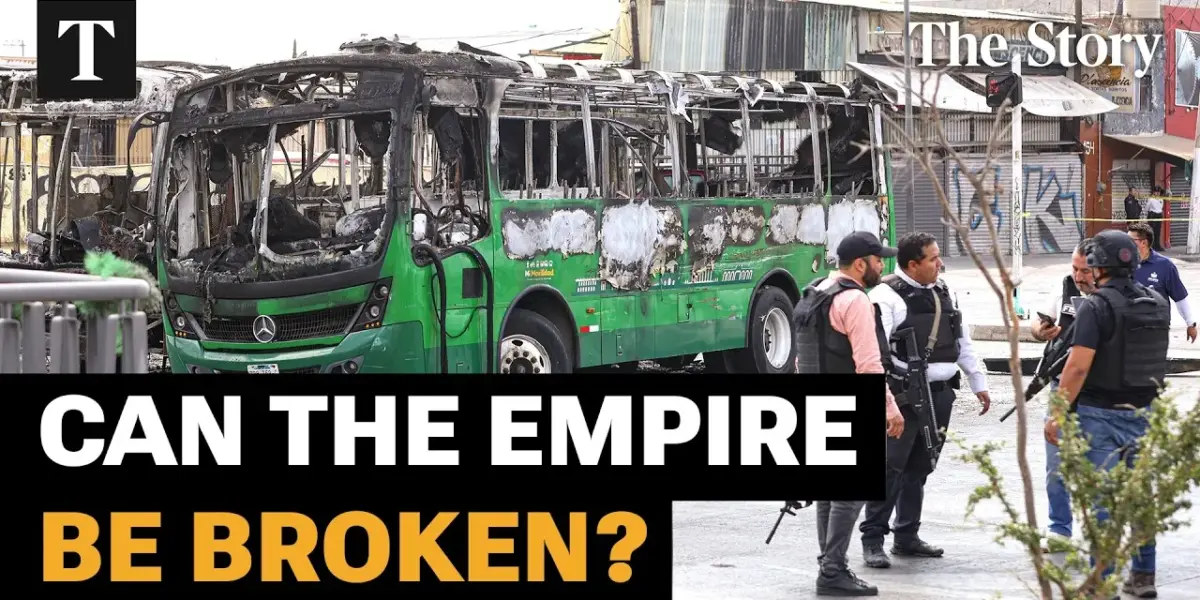
The immediate aftermath of El Mencho’s death saw a wave of retaliatory violence orchestrated by the CJNG. In cities like Guadalajara, Mexico’s second-largest and a major economic hub, masked gunmen armed with automatic weapons blockaded streets, forced drivers from their vehicles, and set cars and petrol stations ablaze.
The once bustling city center was transformed into a ghost town, with residents living in fear of further escalation. While the overt violence has subsided, a palpable sense of unease persists, with many locals expressing fears of more unrest to come.
“The reaction from his cartel has been immediate and violent. We saw men with masks on, guns in their hands, stopping vehicles, pulling them out of their vehicles, and then lighting those vehicles on fire.”
Louise Callahan, Americas correspondent for The Sunday Times, who was in Mexico during the events, described the scene: “Guadalajara, I mean, it’s Mexico’s second biggest city, it’s a huge economic hub. It was just completely kind of shut down. And it was dead…
There were just these like shells of burnt out cars everywhere. A cartel had had used. They call them ‘narcoblocks,’ like they block off the streets by, you know, parking cars in the middle of the street or, you know, pulling drivers out of cars and and stopping them in the street and setting them on fire.”
El Mencho: From Humble Beginnings to Cartel Kingpin
El Mencho’s rise to power is a stark illustration of the complex dynamics within Mexico’s criminal underworld. Born Nemesio Oseguera Cervantes in the impoverished state of Michoacán, he worked on an avocado farm before moving to San Francisco as a petty drug dealer. After serving time in a U.S. Prison and being deported, he surprisingly became a police officer in Mexico.
Leveraging his position within a corrupt system, he transitioned to drug trafficking, eventually rising through the ranks of the Milenio Cartel. Following a cartel split approximately 25 years ago, he became a key figure in a faction that ultimately evolved into the formidable Jalisco New Generation Cartel (CJNG).
The CJNG: A Franchise of Fear and Violence
The CJNG is renowned for its brutal efficiency and its unique “franchise-like” operational model, which differs from more hierarchical cartel structures. The group is involved in a wide array of criminal enterprises, including the trafficking of fentanyl, methamphetamine, cocaine, and marijuana, as well as petrol smuggling, extortion, and arms trafficking.
Their control is maintained not only through economic power but predominantly through extreme and graphic violence. The cartel is known for displaying the bodies of their victims, dissolving them in acid, and broadcasting these acts to instill widespread fear and intimidation.
Beyond violence, the cartels exert influence by filling power vacuums in impoverished areas where government presence is minimal. They offer economic opportunities, albeit illicit ones, and wield significant cultural sway. “Nakoridos,” songs that often glamorize cartel life, and the veneration of folk deities like Santa Muerte, contribute to an image of power, wealth, and invincibility that can attract vulnerable individuals.
The Plight of the Disappeared
The devastating human cost of the cartel war is most acutely felt by the families of the disappeared. Guadalupe Cárdenas, a 66-year-old mother of nine, shared her harrowing experience of losing five of her children to the narcos. Her daughter, Lucero, disappeared in 2016 while en route to a job interview, and her four sons were abducted on the same day a few years later while seeking cancer treatment for one of them.
Guadalupe and many other parents are part of a collective called “Los Buscadores” (The Searchers), dedicating themselves to finding their missing loved ones. They scour mass grave sites and abandoned locations, sifting through soil for human remains, often facing threats from cartels who wish to keep their victims buried and forgotten.
“It’s like when you have a terrifying nightmare. Only we haven’t woken up from it. There are no more Christmases here.
No more birthdays. What we’re living is no longer normal. Not having that closure, not knowing is…
Parents have described it to me as being worse than knowing that they’re dead. It is unbearable.”
A Shift in Strategy: From “Hugs, Not Bullets” to Direct Confrontation
For the past decade, the Mexican government pursued a strategy often summarized by the slogan “hugs, not bullets,” aiming to address the root causes of cartel recruitment by improving socio-economic conditions and reducing corruption. However, this approach, largely continued by President Andrés Manuel López Obrador, yielded limited success, with violence and deaths continuing to rise. The killing of El Mencho represents a stark turn towards direct confrontation, a move reportedly influenced, in part, by external pressure, particularly from the United States and former President Donald Trump’s administration.
An officer in the Mexican special forces, speaking anonymously, suggested that the operation to eliminate El Mencho was driven by U.S. Pressure. While the Mexican government stated their intention was to capture him, the encounter escalated into a firefight, resulting in his death.
The Road Ahead: Uncertainty and Potential Scenarios
The elimination of a cartel leader is a significant event, but analysts are divided on its long-term impact. Several scenarios are being closely watched:
- Succession Battle: Factions within the CJNG could engage in a violent struggle for leadership, potentially splintering the cartel and causing further instability.
- Rival Cartel Incursions: Other cartels might attempt to seize territory and operational routes previously controlled by the CJNG.
- Internal Accommodation: Leaders of CJNG factions might reach an agreement to divide control, leading to a period of uneasy calm.
The operational capacity of the CJNG remains largely intact in the short term. Experts suggest that while the death of El Mencho may have a long-term effect, the cartel’s established systems and operational structures are capable of continuing their activities without immediate disruption.
Broader Implications and the World Cup
The ongoing struggle against cartels has profound implications for Mexican society, with over 130,000 people currently missing. The upcoming FIFA World Cup, with several matches scheduled to be held in Guadalajara, adds another layer of high stakes.
The Mexican government faces immense pressure to ensure the safety and security of visitors and residents alike, a challenge that is amplified by the volatile security situation. The success of this new, more aggressive strategy will be measured not just by the downfall of cartel leaders, but by its ability to bring lasting peace and justice to a nation long plagued by violence.
Source: Mexican Government Vs Drug Lords: A Turning Point In Security (YouTube)

Related Articles
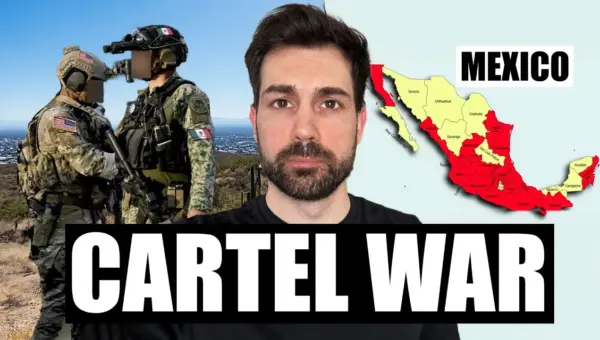
Mexico Cartel War Explodes After US-Backed Raid
A US-backed operation to kill a top cartel boss has ignited a brutal narco-war in Mexico. The CJNG's retaliation showcases escalating tactics and vast financial resources, posing a growing threat to both nations.

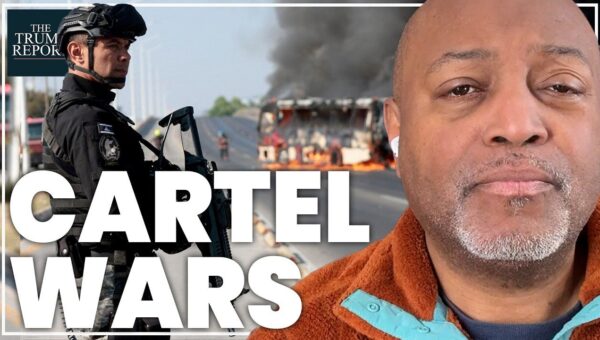
Mexico Cartel Violence Erupts After US-Aided Leader’s Death
A targeted operation against a top cartel leader, supported by US intelligence, has triggered a violent surge in Mexico. The killing of the CJNG leader has led to subordinate factions unleashing chaos, raising questions about US drug policy and the complex geopolitical landscape.

Mexico’s Cartel Chaos: El Mencho Raid Sparks Crisis
A decisive military raid on cartel leader El Mencho has plunged Mexico into chaos, triggering widespread retaliation and nationwide roadblocks. As President Claudia Sheinbaum grapples with restoring order amidst escalating cartel conflicts and the upcoming 2026 FIFA World Cup, the nation's future hangs in the balance.