UK Defense Weakened: Starmer Out of Loop on US Policy
UK's foreign policy and defense capabilities are under intense scrutiny as global instability rises. Concerns are mounting over Keir Starmer's perceived lack of awareness regarding US foreign policy and significant gaps in the UK's naval presence in the Middle East, raising questions about national security and the nation's role on the world stage.

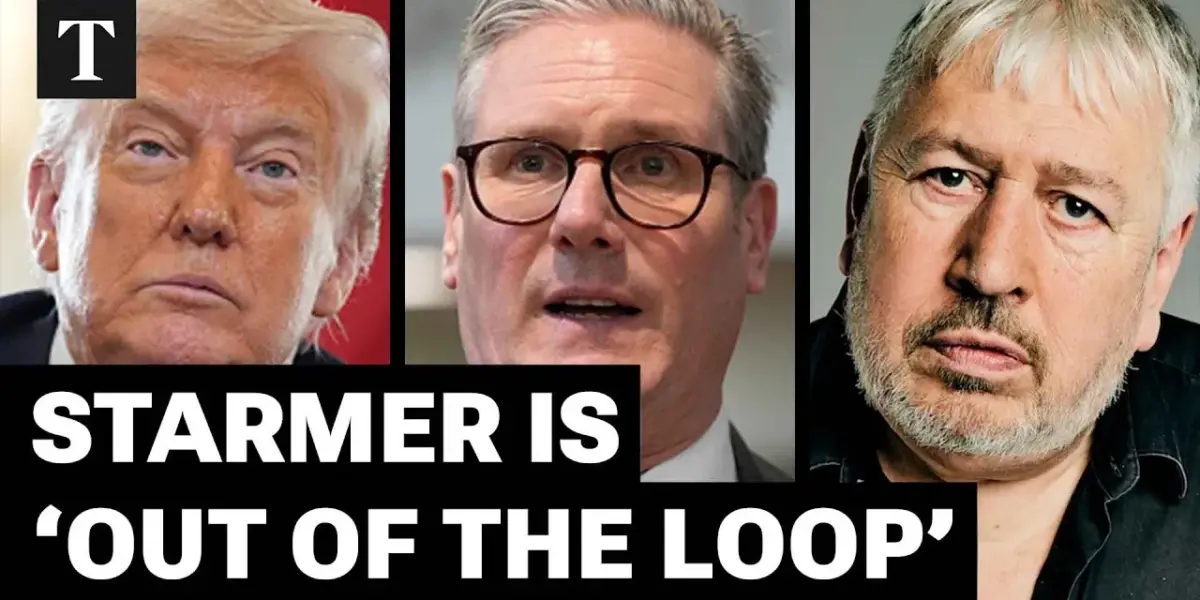
UK Foreign Policy Under Scrutiny Amidst Global Instability
In a candid assessment of the United Kingdom’s current geopolitical standing, Times columnist Rod Liddle and Sunday Times writer Cindy Yu have highlighted significant concerns regarding the nation’s foreign policy decision-making and defense capabilities. Speaking on Times Radio, Liddle suggested that Labour leader Keir Starmer is “completely out of the loop” regarding United States’ foreign policy intentions, particularly in the volatile Middle East. This comes at a time when the UK faces criticism from Gulf allies for its perceived failure to protect citizens from Iranian missile strikes and a notable absence of naval presence in the region.
Naval Gaps and Defense Shortfalls Exposed
The discussion, prompted by recent events including Israeli strikes on Tehran and the US sinking of an IRG warship, revealed critical vulnerabilities in the UK’s defense posture. Lissa Brown, reporting for The Times, noted that the UK has not had a warship stationed in the Middle East region since the 1980s.
This absence is particularly concerning given that the Type 45 destroyers, the UK’s primary capability for intercepting ballistic missiles, are currently unavailable. Concerns have been raised about the adequacy of defense for UK bases, with questions lingering about their ability to withstand even a single drone attack, let alone a ballistic missile threat.
“We’ve always had a a warship in the Middle East region and this is the first time since the 1980s that we haven’t actually had a ship here… And there’s a concern that if the base can’t even protect against one single drone at the moment. What will it do with him if it was faced with a ballistic missile?”
Lissa Brown, The Times
Starmer’s Stance and the Shadow of Iraq
Cindy Yu expressed that the UK’s current position appears “meek” and “confused.” She suggested that Keir Starmer missed an opportunity to leverage his decision to refrain from offensive action in Iran, drawing a parallel to the widely criticized Iraq War. “We had Iraq was a mistake. We have decided, we have learned from that.
Are not going to start with the US on this thing,” Yu posited as a stronger stance Starmer could have taken. Instead, the current situation, where RAF bases are reportedly undefended, portrays a perception of weakness on the global stage.
Adding to the internal political intrigue, a report by Tim Shipman in The Spectator suggested that Starmer may have been influenced by a coalition of MPs, including Ed Miliband and Yvette Cooper, to adopt a more cautious foreign policy, a move Liddle described as “bizarre.” This alleged internal pressure further contributes to the perception of a leader “out of the loop” regarding broader international dynamics.
Diminished Superpower Status and Defense Spending
Rod Liddle directly addressed the question of the UK’s diminished status as a global military superpower, attributing it to decades of underinvestment. While acknowledging the necessity of reconciling with this reality, he stressed the urgency of changing course for national security. Liddle criticized the decision to ban American bases from being used for operations, arguing it hampered the UK’s ability to protect its own citizens in regions like Cyprus.
The conversation then turned to defense spending, with Liddle pointing out that despite promises to increase it, the UK’s defense expenditure remains at approximately 2.3% of GDP, a stark contrast to the 7% spent in 1961. He argued that the world is as dangerous now as it was then, and a shift in national priorities is imperative. The long-held belief in a “peace dividend” and a sense of invulnerability, Liddle contended, has led to a neglect of crucial defense capabilities.
“We really have to change our priorities. I think, you know, we’ve all kind of sniggered a little bit at the at the influencers in Dubai being shelled.
But but in a sense, we’re we also have that sense of entitlement and have had it for too long that everything’s all right, nothing can touch us, we’re okay, we’re safe. Well, we’re not.”
Rod Liddle
A Crossroads Moment: Sacrifice or Decline?
Cindy Yu echoed the sentiment that the current moment represents a critical crossroads for the UK. “This is the moment to change, and I think we are in a moment at a crossroads where you could change or you might just not and you actually continue that decline,” she stated.
The challenge lies in reallocating resources, potentially cutting other government spending, to accommodate the necessary increase in defense expenditure. Yu highlighted the historical context of the UK benefiting from a “big brother” relationship with the US post-Cold War, but this reliance is now being tested as American foreign policy becomes less predictable.
Historical Missteps and the Illusion of Peace
When asked to assign blame for the current situation, Liddle pointed to a collective failure of both major political parties over the past 30-40 years. He suggested that the optimism following the end of the Cold War led to missteps, including antagonizing Russia, and a general complacency born from affluence and peace. The notion that “democracy will prevail” and the end of history, as posited by Francis Fukuyama, fostered a false sense of security, leading to a gradual rundown of defense capabilities without significant public outcry.
Liddle also touched upon a perceived shift in societal priorities, humorously suggesting that an overemphasis on minor anxieties might distract from more pressing national security concerns. This, he argued, has led to an elevated standard of care for citizens domestically while neglecting their protection from external threats.
Beyond Military Might: Measuring British Power
Cindy Yu offered a nuanced perspective, questioning whether increased defense spending and involvement in Middle Eastern conflicts truly represent a consolidation or projection of British power. She suggested that the current US-led actions might not be beneficial for American hard power in the medium term and cautioned against measuring British power solely through military engagement. Yu advocated for the recognition of non-military avenues for assessing and projecting British influence on the world stage.
However, the counterargument presented was that competence in dealing with a dangerous world, particularly within a military context, remains paramount. The danger, it was argued, lies in conflating criticism of specific US actions with the UK’s own preparedness.
The core issue remains the UK’s ability to anticipate and react effectively to international crises, a competence that Liddle and Yu suggested is currently lacking. The article concludes by noting that while Starmer’s legal background might lead him to favor legalistic arguments in foreign policy, the practical reality of international relations often requires a more pragmatic and proactive approach, especially when allies do not adhere to the same legal standards.
What Lies Ahead
The coming weeks will likely see continued scrutiny of the UK’s defense strategy and its relationship with the United States. Attention will be focused on whether the government will commit to significant increases in defense spending and how this will be funded. The effectiveness of the UK’s diplomatic and military responses to escalating international tensions will be closely watched, as will the evolving stance of the Labour party under Keir Starmer amidst these complex geopolitical challenges.
Source: Starmer’s ‘Completely Out Of The Loop’ | Rod Liddle Breaks Down US-UK Relations (YouTube)

Related Articles
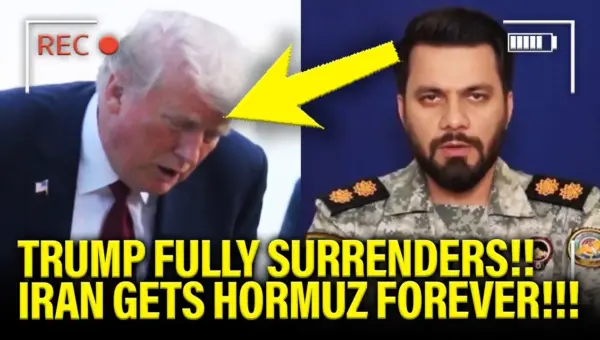
Trump’s Hormuz Deal: Capitulation or Diplomacy?
Reports suggest a recent deal involving Donald Trump and Iran regarding the Strait of Hormuz has effectively given Iran significant control over the vital waterway. Critics argue this represents a major concession, while supporters claim it's a diplomatic achievement.
Trump Declares Strait of Hormuz Open, Iran Says Blockade Continues
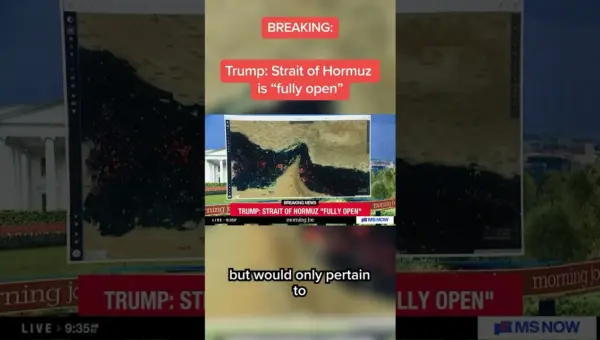
President Donald Trump announced the Strait of Hormuz is "fully open" following a reported Israel-Lebanon ceasefire. Iran confirmed the strait is "completely open" but stated the U.S. blockade will remain in effect. This mixed messaging highlights ongoing regional tensions and their impact on global trade.
Trump’s NATO Threats Spark European Defense Fears
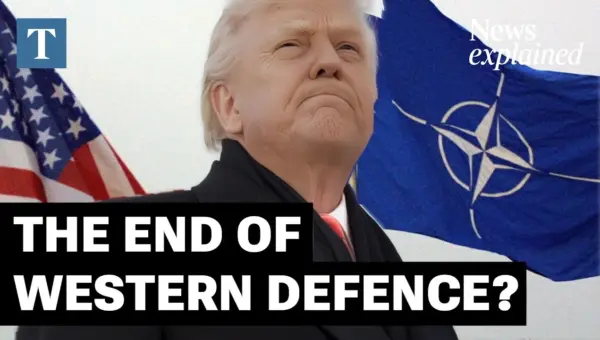
Former President Donald Trump's sharp criticism of NATO and threats to withdraw U.S. support have ignited fears about Europe's ability to defend itself. As tensions rise globally, European nations are increasing their military readiness, but a significant power vacuum could emerge if the U.S. disengages. Russia, meanwhile, appears to be watching closely, potentially benefiting from perceived disunity within the alliance.