Supreme Court Strikes Down Colorado Conversion Therapy Ban
The Supreme Court has struck down a Colorado law banning conversion therapy for LGBTQ youth in an 8-to-1 decision, citing First Amendment free speech protections. The ruling focused on how the ban applied to talk therapy, with Justice Ketanji Brown Jackson dissenting. This decision could impact similar bans in over 20 other states.

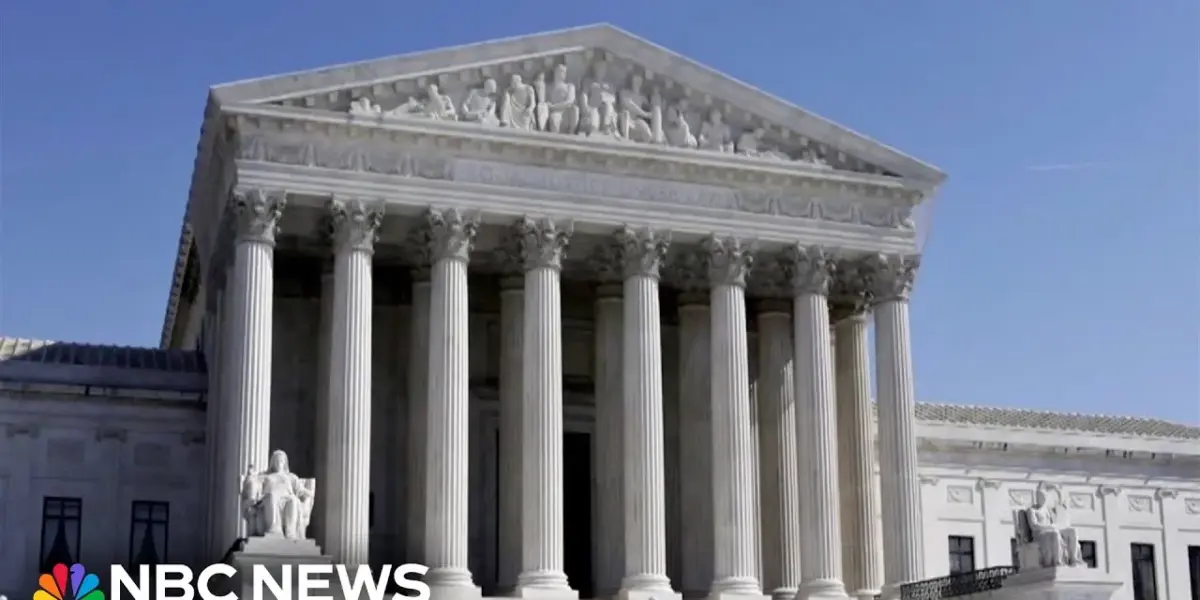
Court Rules Against Colorado Law Banning Conversion Therapy
In a significant 8-to-1 decision, the U.S. Supreme Court has ruled against a Colorado law that banned conversion therapy for LGBTQ youth. The ruling, announced recently, found that the state’s ban on certain conversations between therapists and clients violates the First Amendment’s protection of free speech. This case centered on a Christian talk therapist who challenged the law, which aimed to prevent practices encouraging LGBTQ individuals to change their sexual orientation or gender identity.
The Colorado law prohibited licensed therapists from engaging in conversion therapy, a practice often promoted by conservative Christian groups. This practice typically encourages minors to identify as heterosexual or, in the case of transgender youth, to align with the gender assigned at birth. The therapist argued that the law restricted her ability to discuss certain topics and guide clients toward their own stated goals.
Focus on Free Speech and Talk Therapy
The Supreme Court’s majority opinion emphasized that the case revolved around talk therapy, which is considered a form of speech. The justices determined that Colorado’s law, as applied to this specific therapist, improperly regulated her speech. The court noted that the therapist stated she does not predetermine outcomes or force specific methods on clients, and that no medical intervention was involved.
Justice Ketanji Brown Jackson was the sole dissenter in the case. Her dissenting opinion, which was longer than the majority’s opinion, argued that concerns about the First Amendment could be overridden in this instance. However, the majority focused on the idea that regulating speech within talk therapy, particularly when a therapist aims to help clients achieve their stated objectives, is a core First Amendment issue.
Nuances in the Ruling
While the majority opinion was clear about the free speech implications for talk therapy, the ruling was described as an “as applied” decision. This means it specifically addresses how the law affects this particular therapist and her methods, rather than striking down the entire concept of banning conversion therapy outright.
Justices Sonia Sotomayor and Elena Kagan, in a concurring opinion, agreed with the majority’s outcome but made certain distinctions. They looked closely at the specific details of the Colorado law. This suggests that other aspects of such laws, or their application in different contexts, might be viewed differently by the court.
Broader Implications for Conversion Therapy Bans
The decision comes at a time when more than 20 states have enacted laws banning conversion therapy. These bans are supported by numerous medical and mental health organizations that recognize conversion therapy as harmful to LGBTQ youth. Evidence suggests that these practices can lead to depression, anxiety, and suicidal thoughts.
The Supreme Court’s ruling does not necessarily invalidate all conversion therapy bans nationwide. The emphasis on “as applied” to talk therapy suggests that laws targeting more direct medical interventions or different therapeutic approaches might still stand. The plaintiff herself acknowledged that states have a legitimate interest in regulating medical interventions, especially concerning minors.
Background and Expert Concerns
Conversion therapy, also known as reparative therapy or sexual orientation change efforts, has been widely condemned by major medical and mental health associations. These groups, including the American Medical Association and the American Psychological Association, state that there is no credible scientific evidence that sexual orientation or gender identity can be changed. Instead, these efforts are often associated with severe psychological distress.
The American Civil Liberties Union (ACLU), which has supported bans on conversion therapy, expressed disappointment with the ruling. They argued that the court’s focus on free speech overlooked the harm caused by these practices. The ACLU stated that the ruling could make it harder to protect vulnerable youth from harmful practices disguised as therapy.
What’s Next for Conversion Therapy Laws
This Supreme Court decision means that Colorado’s specific ban, as it applied to the talk therapist in question, cannot be enforced. Legal experts anticipate that the ruling will likely lead to challenges against similar bans in other states, particularly those that are broadly written or focus heavily on speech-based interventions.
Moving forward, advocates for LGBTQ rights will likely focus on crafting and defending conversion therapy bans that are narrowly tailored to address harmful practices while withstanding legal scrutiny. The ongoing debate highlights the tension between protecting vulnerable youth and upholding First Amendment rights, a balance the courts will continue to grapple with.
The Supreme Court’s 8-to-1 ruling against Colorado’s ban on conversion therapy centers on the First Amendment’s free speech clause. The majority found the law, as applied to talk therapy, improperly regulated speech. Justice Ketanji Brown Jackson was the sole dissenter.
Source: Supreme Court rules against Colorado ban on conversion therapy aimed at LGBTQ youth (YouTube)

Related Articles

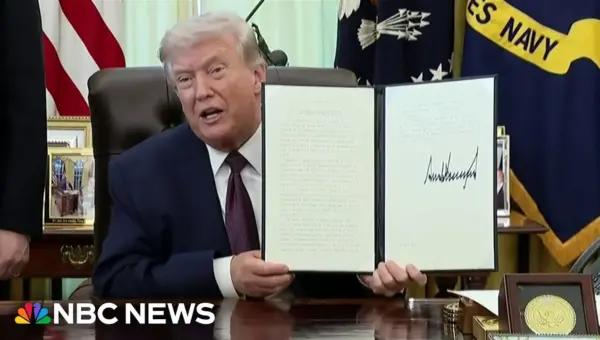
Trump Weighs Birthright Citizenship, Mail-In Voting EO
President Trump signaled his intent to attend Supreme Court arguments on birthright citizenship, a move considered highly unusual for a sitting president. Simultaneously, he signed an executive order aiming to alter mail-in ballot procedures through the Postal Service, an action expected to face legal challenges. The order targets voter verification for mail-in ballots, reflecting ongoing concerns about election integrity.


Mass Protests Signal Deep Discontent With Trump Administration
Millions of Americans have taken to the streets, signaling deep discontent with the Trump administration. This widespread public outcry, coupled with a surge in legal challenges and shifts in special election results, indicates a strong demand for change. A key legal battle over birthright citizenship at the Supreme Court is also set to define American identity.

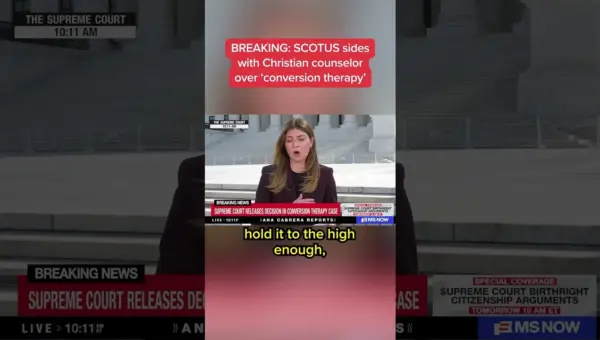
SCOTUS Protects Christian Counselor’s Speech in ‘Conversion Therapy’ Case
The Supreme Court ruled 8-1 in favor of a Christian counselor challenging Colorado's ban on 'conversion therapy' for minors. Justice Neil Gorsuch stated the state's law improperly targets speech based on viewpoint, violating First Amendment principles. The decision emphasizes the protection of speech against government-enforced orthodoxy.