Trump’s Iran Strategy: Unpredictable Warfare for Oil Security
President Trump is employing a strategy of unpredictable warfare, focusing on economic and military pressure points like the Strait of Hormuz. The aim is to counter Iran's nuclear ambitions and regional influence without full-scale conflict. Investors should monitor potential impacts on oil prices and geopolitical stability.

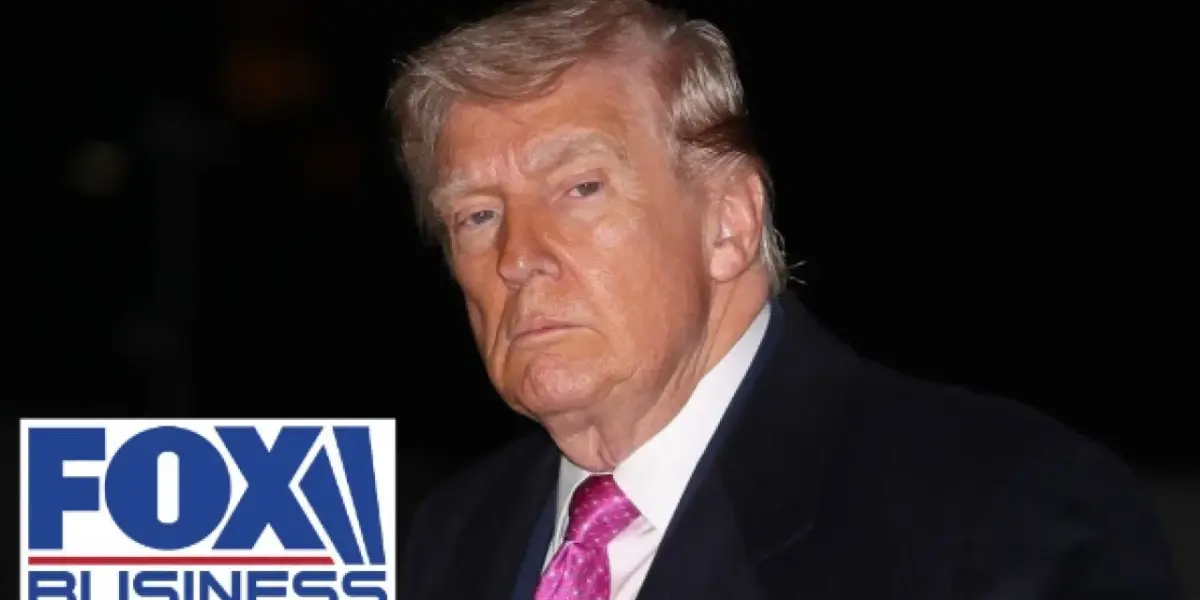
Trump Signals Ominous Shift in Iran Strategy
President Trump is reportedly preparing a significant move against Iran, a nation described as the world’s most dangerous state sponsor of terrorism. This strategy involves a multi-front approach, targeting economic, military, and strategic choke points.
The Strait of Hormuz, a vital global oil artery, is central to these plans. Roughly 20% of the world’s oil passes through this narrow waterway, making its stability crucial for global markets.
Retired General Frank McKenzie, former commander of U.S. Central Command, has discussed long-standing military planning to address potential threats in the Strait. These plans have included options for raids on regional islands or even seizing Iran’s Kharg Island. President Trump is aware of these contingencies and appears ready to implement a new phase of pressure.
Unpredictability as a Key Weapon
The approach is being characterized as “Trump Warfare,” relying heavily on unpredictability and psychological pressure. This strategy aims to wear down Iran’s regime internally without committing to a full-scale invasion.
Special operations forces are being moved into position, though not yet engaging in direct combat. This build-up is intended to provide President Trump with a range of options and signal a serious escalation of pressure.
Moving rapid deployment forces and assets like the 1st Cavalry Division and the 82nd Airborne Division creates a flexible strike posture. This is not an immediate signal for combat but rather a staging of capabilities. For those with decades of experience in counterterrorism, this is seen as a method to contain a major regional threat without triggering a wider conflict.
Focus on Uranium and Strategic Goals
A key element of the strategy involves Iran’s nuclear program, specifically its uranium stockpiles. Reports indicate potential military operations to secure or neutralize this uranium, a mission that would require significant manpower. This objective goes beyond simply containing Iran’s threat; it aims to eliminate its nuclear capability entirely.
For nearly 40 years, Israel has been developing target packages related to Iran’s nuclear facilities. By positioning U.S. Special operations forces, President Trump is leveraging top-tier intelligence to locate and address these uranium stockpiles. This move signals a shift from containment to elimination of Iran’s nuclear ambitions.
What Investors Should Know
The Strait of Hormuz is a critical chokepoint for global oil supply, and any disruption could significantly impact energy prices. Approximately 20% of the world’s oil transits this waterway daily. Increased tensions or military actions in the region could lead to price volatility and supply concerns for oil and refined products.
The strategy of “Trump Warfare” emphasizes psychological pressure and unpredictability. This can create market uncertainty as investors try to gauge the likelihood and potential impact of further escalation. Companies involved in oil production, shipping, and related industries may face increased risks or opportunities depending on geopolitical developments.
Sector and Index Context
The energy sector, including oil and gas companies, is directly exposed to geopolitical developments in the Middle East. Any perceived threat to oil supply from the Strait of Hormuz could drive up crude oil prices, benefiting producers. Conversely, increased shipping risks or conflict could impact transportation costs and refining margins.
Broader market indices like the S&P 500 could experience volatility due to geopolitical uncertainty. Defense stocks might see increased interest if tensions lead to higher defense spending or military engagements. Investors will be monitoring news flow closely for any signs of de-escalation or further military action.
Long-Term Implications
The long-term implications depend on the success of this strategy in curbing Iran’s nuclear program and its regional influence. If successful, it could lead to a more stable energy market and reduced geopolitical risk in the Middle East over time. However, miscalculation or unintended escalation could have severe and lasting negative consequences for regional stability and global trade.
The focus on eliminating Iran’s nuclear capability, if achieved, could fundamentally alter the security landscape of the Middle East. This could reduce the threat of nuclear proliferation in the region and potentially open new avenues for diplomacy and economic development. The effectiveness of President Trump’s current approach will be a key factor in shaping future geopolitical dynamics.
Looking Ahead
The military build-up in the region is designed to provide President Trump with a range of diplomatic and military options. The coming weeks and months will likely reveal the extent to which these options are exercised and the international response to these actions.
Source: Trump is keeping his cards close to his chest, expert says (YouTube)

Related Articles
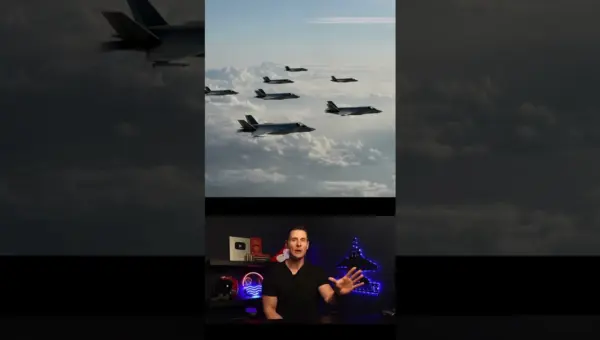
A-10 Warthogs Bolster Iran Special Ops Mission
U.S. Special Operations forces in Operation Epic Fury are now backed by A-10 Warthog aircraft. These close-support planes provide vital air cover for elite units operating near Iran. The deployment enhances capabilities for coastal raids and sensitive site exploitation missions.
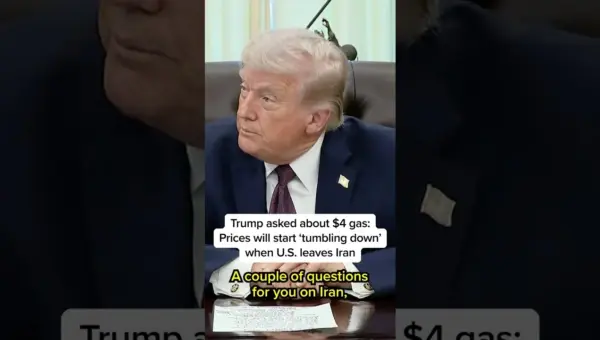
Trump: Iran Exit Will Trigger Fast Gas Price Drop
Former President Donald Trump believes that withdrawing U.S. involvement from Iran will cause gas prices to fall rapidly. He stated that this action would ease pressure on global energy markets, impacting fuel costs for Americans. The comments come as gas prices have risen above $4 per gallon due to supply disruptions.
US Military Crushes Iran’s Global Power Projection
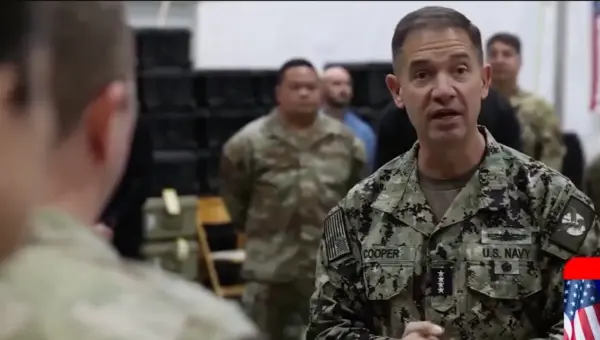
The US military has significantly weakened Iran's global power projection capabilities through Operation Epic Fury. Admiral Brad Cooper reported major successes in dismantling Iran's drone, missile, and naval forces, while maintaining vigilance.