Taxpayer Billions Vanish: Is Fraud Undermining America’s Future?
A new White House task force is targeting decades of government fraud costing billions. Economist Michael Busler warns this waste erodes public trust and harms America's future. He stresses the need for verification and accountability to ensure tax dollars help citizens, not fraudsters.

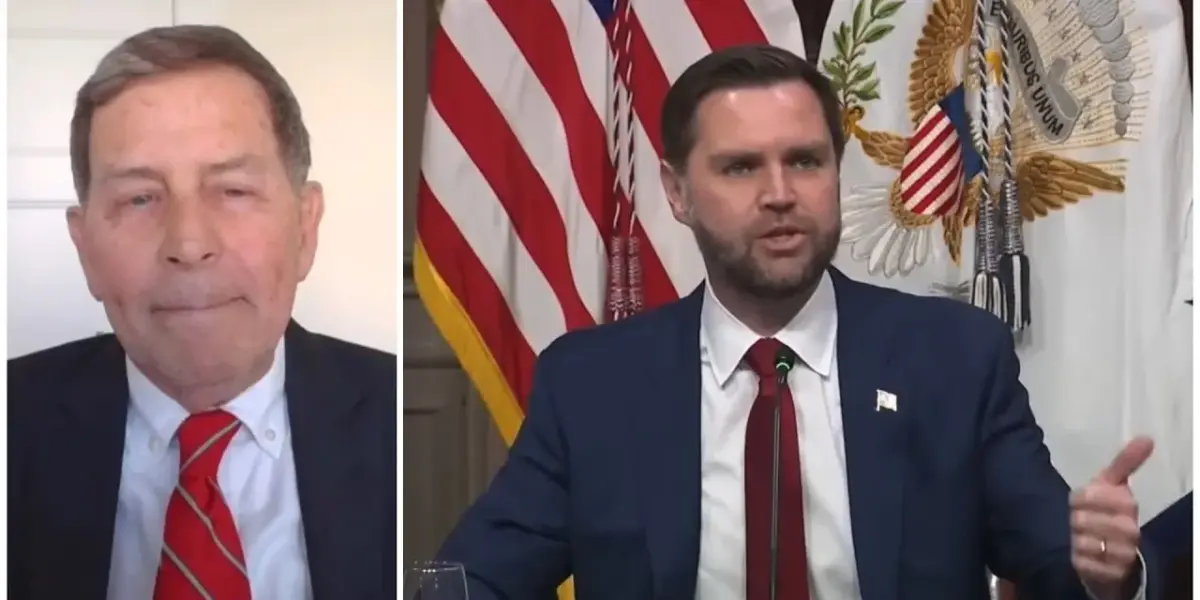
Government Task Force Tackles Widespread Fraud
The White House has launched a new Anti-Fraud Task Force, aiming to stop a problem that’s been costing taxpayers billions for years. Vice President J.D. Vance led the first meeting, focusing on how fraud steals money meant for citizens and damages trust in the government.
Economist Michael Busler believes this effort is crucial for America’s future. He points to massive fraud cases, like the one in Minnesota involving the Somali community, where billions in Medicaid funds have been lost since 2018. This kind of theft means hard-earned tax dollars aren’t helping people who truly need them.
Fraud Erodes Public Trust
When taxpayer money disappears due to fraud, it creates a deep rift between Americans and their government. Busler explains that people work hard for their money, and seeing it wasted on scams instead of helping others causes anger and distrust. This is especially damaging when people already have low confidence in government due to political divisions.
Imagine giving a significant portion of your earnings to the government, trusting it will be used for good. If that money ends up in the hands of fraudsters, it feels like a betrayal. This lack of faith makes people question where their money is going and why the system allows this to happen.
Scale of the Problem: Billions Lost Annually
The sheer size of government fraud is staggering. The national debt is nearly $39 trillion, with annual deficits around $2 trillion. A large part of this spending is lost to waste, fraud, and abuse.
The Government Accountability Office estimated that fraud in healthcare programs alone costs between $250 billion and $500 billion each year. This figure represents a quarter of the annual deficit, showing how much could be recovered by simply stopping these fraudulent activities.
How Does This Happen? Lack of Verification
A key reason for this rampant fraud is the lack of proper verification systems. Stephen Miller pointed out that many federal benefit programs operate on an honor system, especially in certain states. This means there’s often no check to confirm if people are truly eligible before they receive benefits.
Busler agrees that the federal government struggles to verify where these billions are going. He suggests that in some areas, politicians may use these funds to gain influence, leading to money being given out without proper oversight. This creates an environment where fraud can easily thrive.
Political Influence and Lax Oversight
In places like Minnesota, billions were allegedly given to the Somali community to set up services that didn’t even exist. Busler suggests this type of action can be used to secure votes, as recipients might feel compelled to support the politicians who provide them with funds.
Similarly, in Los Angeles, an area with many hospice facilities for end-of-life care, investigators found 42 such facilities within just four square blocks. Many of these were found to be fraudulent, highlighting how taxpayer money can be diverted through elaborate scams, often linked to political motivations.
Widespread Fraud Across States
The problem isn’t limited to one or two states; it’s a national issue. Cases like a $68 million adult daycare Medicaid fraud scheme in California and a $93 million COVID-19 tax credit fraud scheme show the widespread nature of these crimes.
Vice President Vance’s task force plans to reinstate anti-fraud protections that were reportedly weakened under the previous administration. They aim for a government-wide approach to combat fraud effectively.
Government Inefficiency and Profit Motive
Busler argues that government organizations, unlike private companies, are not driven by profit. This lack of a profit motive can lead to inefficiency, meaning government services often cost two or three times more than they should.
While some services are best handled by the government, Busler stresses the need for close monitoring. Without the incentive to reduce costs, there’s a greater risk of waste and fraud. He believes the government must crack down on these issues, especially given the country’s large debt and deficit.
Public Perception of Taxes and Waste
A 2025 Gallup poll found that 59% of Americans believe their federal income tax is too high. Busler connects this sentiment directly to the news of fraud, waste, and abuse.
When people feel overburdened by taxes, seeing that money go towards scams is particularly frustrating. They believe that if fraud were eliminated, their tax burden could be reduced, leading to a better financial outlook and increased satisfaction with government spending.
Why This Matters
Combating fraud is not just about saving money; it’s about preserving the integrity of government and the nation’s financial health. The scale of the problem suggests that billions could be redirected to essential services, deficit reduction, or even tax relief.
Restoring public trust is vital for a functioning democracy. When citizens believe their government is honest and efficient, they are more likely to support its initiatives and participate in civic life. The success of the Anti-Fraud Task Force could signal a renewed commitment to fiscal responsibility.
Historical Context and Future Outlook
Busler likens unchecked fraud to a cancer that grows over time. He notes that previous administrations often postponed dealing with these issues. However, he sees the current administration, particularly with business-minded leadership, focusing on fixing these deep-rooted problems.
As the nation approaches its 250th anniversary, solving these financial issues is crucial for a positive celebration. Busler hopes the task force can act quickly to eliminate waste and fraud, allowing Americans to feel proud of their country’s progress and its commitment to freedom and democracy.
The success of this task force could significantly impact the nation’s financial stability and public confidence. With the goal of saving taxpayer money and ensuring funds are used as intended, this initiative aims to reinforce America’s standing as a prosperous and responsible global power.
Source: Ending Fraud 'Extremely Important' To America's Future: Economist on Anti-Fraud Task Force (YouTube)

Related Articles

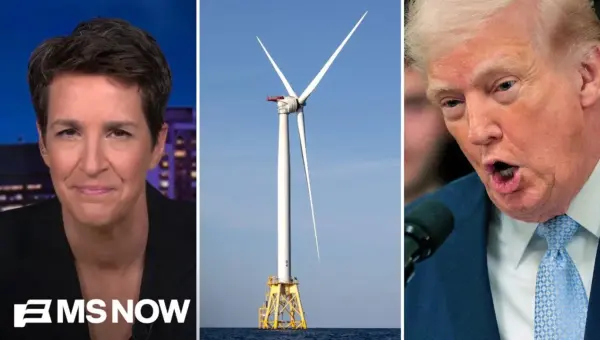
Trump Deal Pays $1 Billion to Halt Wind Projects
The Revolution Wind Farm is now operational, powering homes and promising cost savings. However, controversy surrounds a reported $1 billion taxpayer deal made by Donald Trump to cancel two other wind farm projects. This decision raises questions about energy policy and the use of public funds.
Billions Lost to Fraud: Lawmakers Target Federal Aid Abuse
American taxpayers are losing an estimated $500 billion annually due to fraud, prompting lawmakers to crack down on federal aid abuse. A new bill could ban convicted fraudsters from receiving federal benefits for three years, as hearings focus on schemes in foreign aid and Medicaid programs.
Powell’s Fed Exit Looms: Warsh Poised for Top Job
Kevin Warsh is reportedly set to become the next Federal Reserve Chair, with his confirmation hearing scheduled soon. This potential leadership change at the central bank signals a new direction for U.S. economic policy.