Congressmen Resign Amidst Scandal, Ethics Probes Halt
U.S. Representatives Eric Swalwell and George Santos have resigned from Congress amidst serious allegations and mounting pressure. Their departures halt ongoing ethics investigations, though potential future probes loom if they seek public office again. The swift exits highlight calls for accountability and the impact of rigorous reporting on political careers.

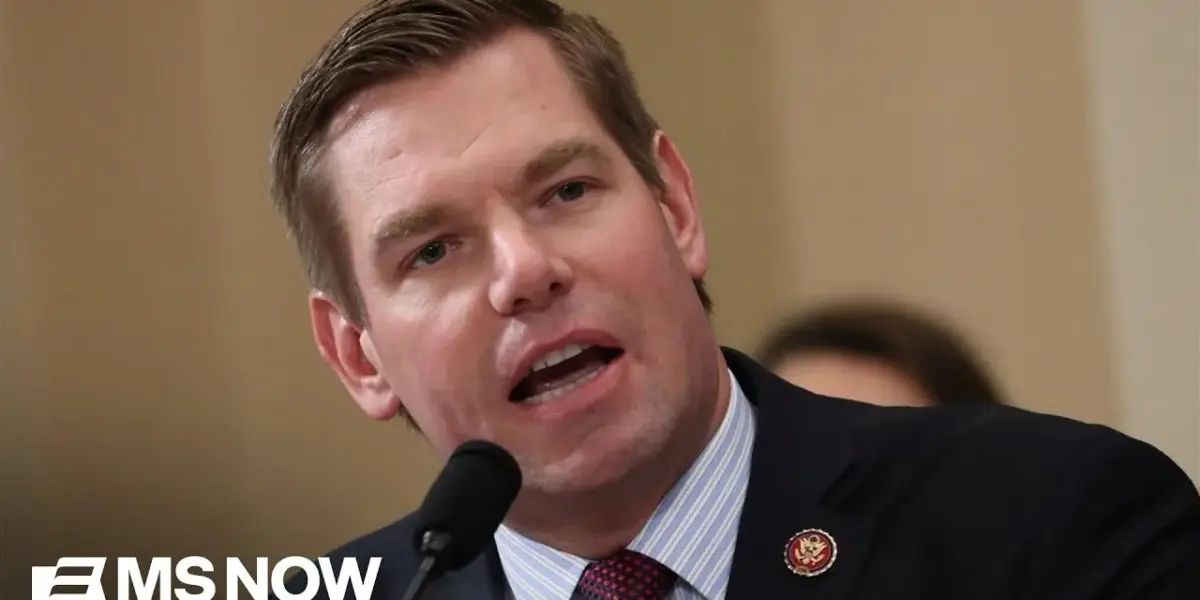
Two U.S. Lawmakers Resign Amidst Mounting Allegations
In a swift and dramatic turn of events, U.S. Representatives Eric Swalwell and George Santos have resigned from Congress. The announcements came just hours apart, catching many by surprise as lawmakers were still on recess. This rapid escalation signals a rare moment of bipartisan agreement on the need for accountability, even as the reasons for their departures differ.
Swalwell’s Exit Follows Serious Allegations
The allegations against Congressman Eric Swalwell, which first surfaced in the San Francisco Chronicle, were described as an “extensively corroborated account.” These claims reportedly involve misconduct during his time in office. The reporting was rigorous, making it difficult to dismiss the allegations. Swalwell, a former prosecutor, likely understood the depth of the investigation.
As these serious allegations became public, Swalwell’s colleagues quickly distanced themselves. Initially, calls were for him to withdraw from the California gubernatorial race, where he was considered a leading candidate. The pressure soon intensified, with demands for his resignation from Congress.
Santos’s Departure Ends Ethics Investigation
Congressman George Santos also faced significant scrutiny. While the exact nature of the allegations against him is not detailed in this context, it’s noted that his situation had been public for months. The timing of his resignation, alongside Swalwell’s, created a situation where both parties lost a member, balancing the House’s political makeup.
Ethics Investigations Halt Upon Resignation
A key consequence of these resignations is the immediate halt of ongoing ethics investigations. As explained by Congressman Suhas Subramaniam, a member of the House Ethics Committee, these probes cease once a member is no longer in office. “From an ethics perspective, they’re no longer in our jurisdiction,” he stated. This means that while criminal investigations by prosecutors could continue, the congressional ethics committees can no longer pursue the cases.
However, there’s a potential “long tail” to these events. If either Swalwell or Santos were to run for office again and win, their ethics investigations could be reopened. This possibility serves as a check, especially if more accusations surface publicly. Prosecutors, like those in Manhattan, could use new information to pursue criminal charges if warranted.
Bipartisan Pressure and Party Responses
The handling of these scandals highlighted differences in political responses. Democrats were quick to condemn Swalwell’s alleged actions and distance themselves from him. Unions and independent groups supporting him also withdrew their backing. This swift action reflects a desire within the Democratic Party to be seen as capable of self-policing.
Republicans, while also facing condemnation for Santos, were seen as less emphatic initially. While some rank-and-file Republicans spoke out, leadership was slower to call for his ouster or vote on expulsion. This difference in response is partly attributed to the timing of the allegations and the political calculations involved.
The Role of Reporting and Public Trust
The reporting that brought these allegations to light played a crucial role. The San Francisco Chronicle’s initial report on Swalwell was described as rigorous and extensively corroborated. This solid reporting made it difficult for colleagues to ignore the seriousness of the claims.
Beyond individual cases, these scandals raise broader questions about public trust in Congress. As Congressman Subramaniam noted, “it really undermines trust in Congress generally when you have members who are very public scandals like this.” The ethics committee’s job is to restore that trust, a task made more challenging by the resignations.
Looking Ahead: Accountability and Future Investigations
The resignations of Swalwell and Santos mark the end of their congressional careers for now. However, the implications extend further. The potential for future public accusations or criminal charges remains an open question. Furthermore, the possibility of these lawmakers seeking a return to public office means the ethics investigations could be revived. The courage of the women who have come forward is also a significant factor, ensuring that alleged misconduct is not simply overlooked.
Source: 'Extensively corroborated': LA Times Reporter breaks down Swalwell scandal (YouTube)

Related Articles

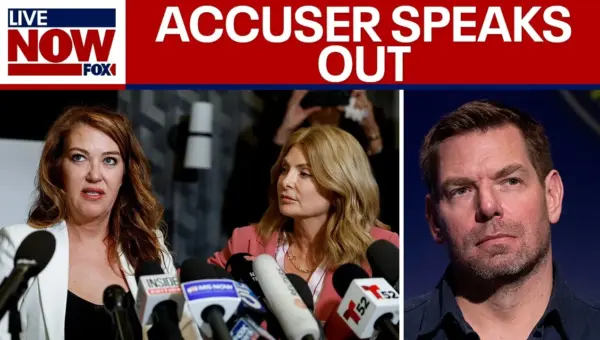
Accuser Details Alleged Assault by Eric Swalwell
Lana Drew, an accuser of Congressman Eric Swalwell, held a press conference detailing allegations of sexual assault in 2018, claiming she was drugged, raped, and choked. Her attorneys, Eric Fidali and Lisa Bloom, announced they will file a police report and emphasized the pursuit of criminal justice over political consequences. Three additional women have reportedly come forward with similar allegations.

GOP Rep Slams ‘Insane’ Iran War Powers Resolution Idea
A New York Congressman has called a potential House Democratic plan for an Iran war powers resolution "insane." He argued it would weaken the U.S. and help Iran. The lawmaker also criticized the handling of the government shutdown and DHS funding.

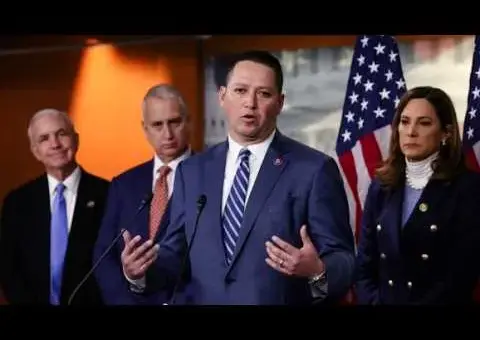
Ethics Probes Force Two Lawmakers Out: A Tally of Troubles
Two Congress members, Eric Swalwell and Tony Gonzales, are leaving their seats amid ethics probes. Swalwell faces sexual assault allegations, while Gonzales is under investigation for misconduct with a staffer. These departures raise questions about accountability in Washington.