Trump’s War Policy Fuels Global Economic Fears
The International Monetary Fund has lowered its global growth forecast, citing the Iran conflict as a key factor. Rising inflation in the US and international calls for de-escalation highlight growing economic concerns. The situation raises questions about leadership and its impact on global stability.

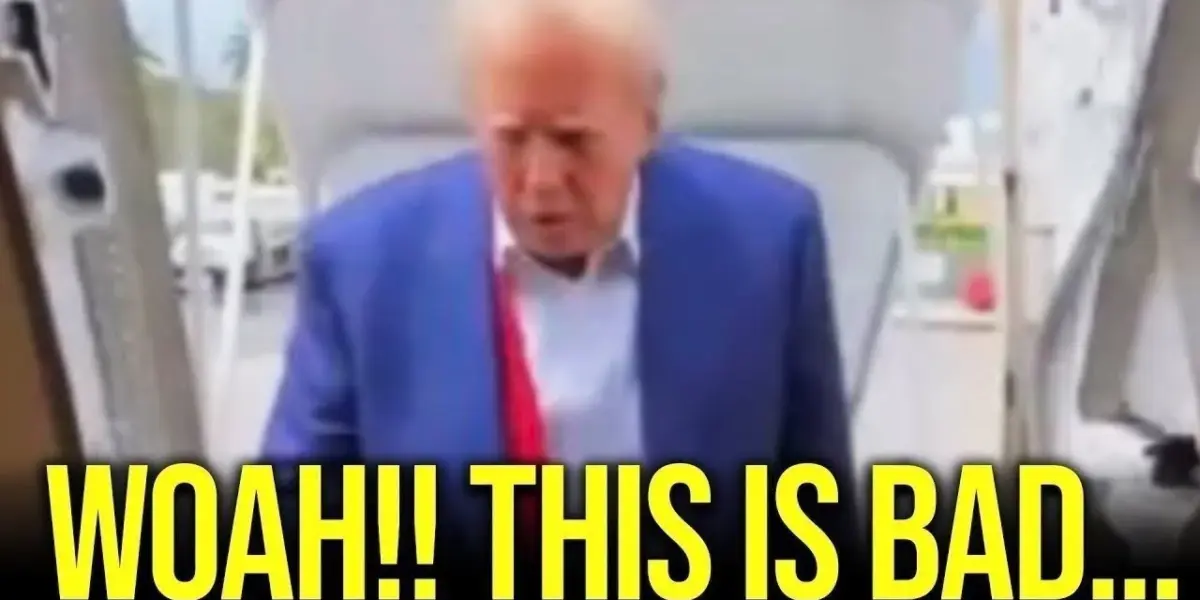
Trump’s War Policy Fuels Global Economic Fears
The world economy is facing a serious slowdown, and a new report points to the conflict with Iran, fueled by actions from Donald Trump’s administration, as a major reason. The International Monetary Fund (IMF) recently lowered its global growth forecast. This decision comes as the ongoing conflict creates uncertainty and raises oil prices. These issues could lead to wider economic problems for everyone.
Global Growth Outlook Dims
The IMF’s report highlights that the damage from the Iran conflict could be much worse if it continues. This means oil prices might keep rising. When oil and gas cost more, people have less money to spend on other things. This can slow down economic growth. The report suggests that actions by a few leaders, including Trump, Netanyahu, and some Republicans, are prolonging the war. This is causing ripple effects far beyond the Middle East.
US Inflation on the Rise
At home, the United States is also seeing troubling economic news. Inflation in March rose to 4%, according to new data on the Producer Price Index (PPI). The PPI measures inflation from the perspective of producers. They often pass these higher costs onto consumers, like you and me. This rise in PPI, the highest since February 2023, suggests that consumers will likely face higher prices soon. This adds another layer of economic pressure, making the global situation even more concerning.
Leaders Scramble for Solutions
While the global economy faces these challenges, leaders in other countries are actively seeking ways to de-escalate the conflict. French President Emmanuel Macron has called for a ceasefire and urged the resumption of stalled negotiations. He spoke with both the Iranian and US presidents, emphasizing the need to avoid further escalation. France and the UK are even planning to host a conference in Paris to address the situation. Saudi Arabia is also reportedly pushing the US to ease its blockade of the Strait of Hormuz and return to diplomatic talks.
“I urge the resumption of the negotiations suspended in Islamabad, the clearing up of misunderstandings, and the avoidance of any further escalation. It is essential in particular that the ceasefire be strictly respected by all parties and that it include Lebanon.” – Emmanuel Macron
Israel’s Long-Term Goals
Adding to the complexity, reports suggest that Israeli intelligence chief David Barnea has signaled a long-term commitment to regime change in Iran. He indicated that operations were designed to continue beyond immediate strikes, aiming for the replacement of Iran’s current government. This stance raises questions about the possibility of sustainable negotiations if one key party is focused on a prolonged conflict and fundamental political change within Iran.
Criticism of Trump’s Approach
The current situation has drawn criticism regarding President Trump’s handling of foreign policy. Some observers suggest a pattern of impulsive decision-making, where decisive action is prioritized over careful consideration. This approach, they argue, can drag the entire world into difficult situations. Unlike previous administrations where advisors might offer differing viewpoints, it’s suggested that Trump’s leadership style lacks the checks and balances needed to reality-test decisions. This can lead to unintended consequences with global economic impacts.
Why This Matters
The IMF’s downgraded global growth forecast is a stark warning. It means that people around the world could see their quality of life decrease. Rising oil prices and inflation mean less money for essentials and for investing in future growth. The actions taken now, particularly concerning the Iran conflict, will have long-lasting effects on international trade, supply chains, and the overall stability of the global economy. The world is watching to see if diplomatic efforts can overcome the current challenges and prevent further economic hardship.
Historical Context
International conflicts have historically impacted global economies. For example, the oil crises of the 1970s, triggered by political events in the Middle East, led to widespread inflation and economic slowdowns in many countries. These events demonstrated how deeply interconnected the global economy is and how regional conflicts can have far-reaching consequences. The current situation echoes these historical patterns, highlighting the delicate balance of global trade and the significant influence of geopolitical stability on economic well-being.
Future Outlook
The immediate future depends heavily on diplomatic progress and the de-escalation of the Iran conflict. If the conflict persists, further economic slowdowns and increased inflation are likely. Continued efforts by international bodies like the IMF and leaders like Macron are crucial. The focus will be on finding an “off-ramp” to the conflict, which involves both military and diplomatic strategies. The ability of global leaders to cooperate and find common ground will determine the extent of the economic damage and the speed of recovery.
Source: Trump Health Scare Spirals into Global Crisis (YouTube)

Related Articles

Ukraine Secures EU Loan, IMF Deal Faces Hurdles
Ukraine's financial future brightens as Hungary unblocks a crucial 90 billion euro EU loan. However, Kyiv faces challenges in meeting the conditions for an $8.1 billion IMF lending agreement, potentially seeking renegotiations on unpopular measures.
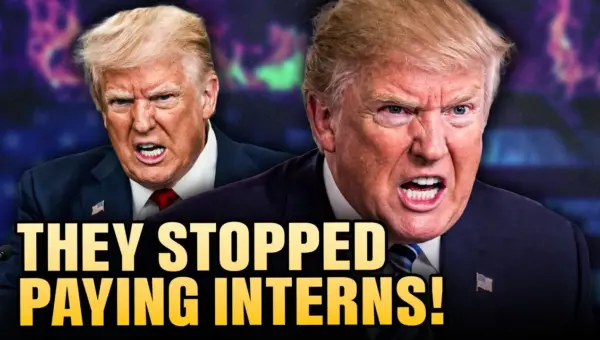
Trump Ends Paid Internships, Reverting to Unpaid Labor at White House
Donald Trump has reversed a Biden-era policy, ending pay for White House interns. This decision brings back unpaid labor, raising concerns about financial accessibility and the true value of the experience gained in a potentially chaotic environment.
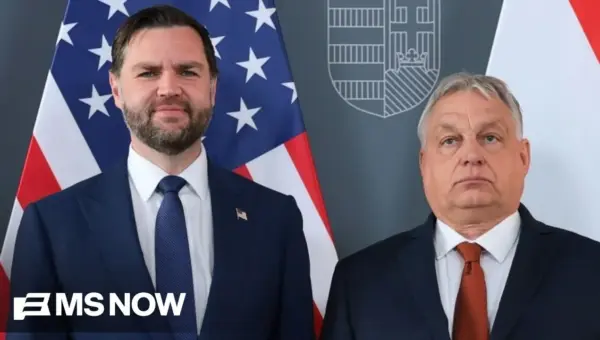
Trump-Vance Brand Suffers Overseas After Iran War, Analyst Says
Senator J.D. Vance's recent trip to Hungary to support Prime Minister Viktor Orban has drawn sharp criticism, with analysts arguing the "Trump-Vance brand" has become toxic overseas. Despite Vance's defense of the visit as supporting an ally, critics point to Orban's authoritarian record, suggesting such endorsements may now backfire, rallying opposition against the supported candidates.