Trump’s Energy Plan Sparks $164M Alaska Lease Sale
President Trump's "energy dominance" strategy is driving significant investment, highlighted by a record $164 million Alaska lease sale. Policies focus on increasing domestic production and utilizing strategic reserves to lower energy costs and boost economic prosperity.

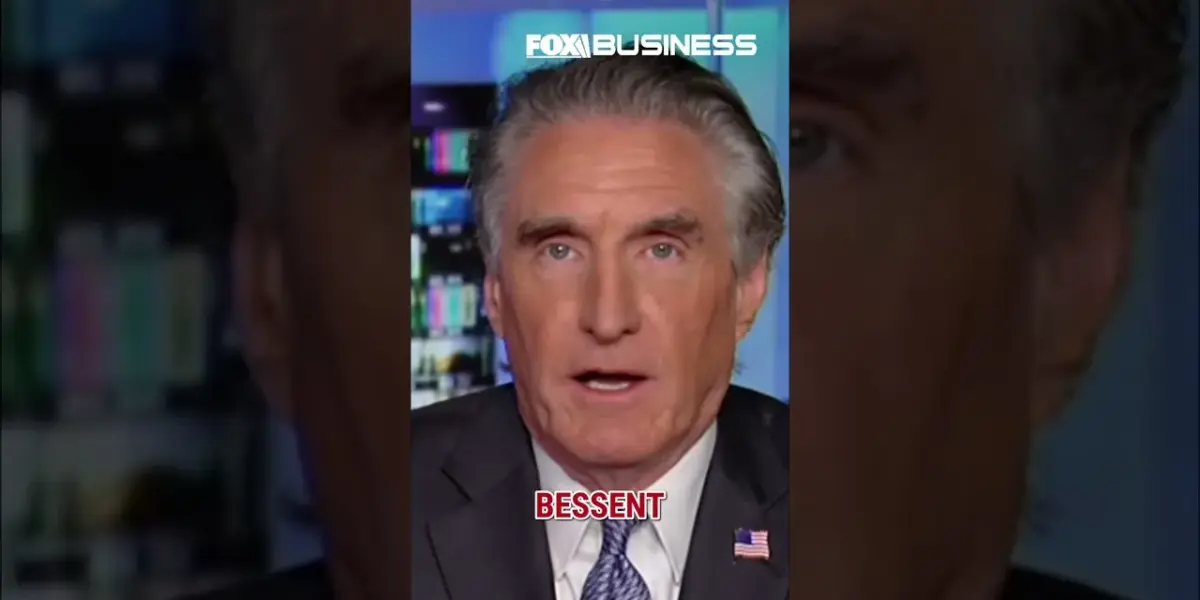
Trump’s Energy Plan Sparks $164M Alaska Lease Sale
President Trump’s focus on “energy dominance” is reshaping the energy market, driving significant policy changes and investment. This strategy aims for abundant and affordable energy through lower taxes, reduced regulation, and increased domestic production.
A key example of this policy in action is the recent record-breaking lease sale in Alaska. The National Petroleum Reserve Alaska saw the largest sale in history, bringing in $164 million for over 1.3 million acres. Major global energy companies participated, signaling strong interest in expanding production in the region.
The administration is also taking temporary measures to influence energy prices. This includes coordinating strategic actions like the largest release from the Strategic Petroleum Reserve. These actions aim to quickly impact supply and stabilize costs for consumers.
Further steps involve “unsanctioning floating barrels,” which essentially adds to the nation’s strategic energy reserves. This measure, supported by Treasury Secretary Scott Bessent, increases the available supply of oil without relying solely on traditional storage.
A recent waiver of the Jones Act is expected to help lower prices. The Jones Act requires goods shipped between U.S. Ports to be transported on U.S.-built, U.S.-owned, and U.S.-crewed ships. Waivers can temporarily allow foreign vessels, potentially reducing shipping costs and affecting consumer prices.
These combined efforts, both short-term interventions and long-term foundational policies, aim to create a more secure and prosperous U.S. Economy. The administration argues that these policies position the United States for long-term economic strength and energy independence.
Market Impact
The “energy dominance” strategy is designed to lower energy costs for consumers and businesses. By increasing domestic supply and utilizing strategic reserves, the aim is to reduce reliance on foreign energy sources and create more stable pricing. This can lead to lower inflation and improved economic competitiveness.
For investors, the focus on increased production and reduced regulation in the energy sector could signal opportunities. Companies involved in exploration, drilling, and refining may see increased activity and potential for growth. The record lease sale in Alaska highlights this renewed focus on domestic resource development.
The broader economic implications include potential for job creation within the energy sector and related industries. Lower energy costs can also boost consumer spending in other areas of the economy, as households have more disposable income.
What Investors Should Know
Investors tracking the energy sector should monitor policy changes related to drilling, regulation, and international energy markets. The emphasis on domestic production and strategic reserve management suggests a shift towards greater U.S. Energy self-sufficiency.
Consider the impact of these policies on different segments of the energy market. Exploration and production companies, pipeline operators, and refiners may all be affected differently by changes in supply, demand, and pricing strategies. Understanding these dynamics is key to assessing investment potential.
The long-term goal of “energy dominance” is to build a foundation for sustained economic prosperity and national security. This approach suggests a continued emphasis on maximizing U.S. Energy resources. The next steps will involve observing the implementation and sustained impact of these policies on global energy markets.
Source: 'ENERGY DOMINANCE': The Trump strategy driving EVERYTHING right now #shorts (YouTube)

Related Articles


Powell Stays Fed Chair If No Successor Named
Federal Reserve Chairman Jerome Powell confirmed he will continue leading the central bank as Chair pro tem if no successor is confirmed by May 15th. He also stated he will not leave the board until an ongoing investigation concludes with transparency. His remarks aim to ensure leadership stability at the Fed.


US Warehouses Burn as Workers Strike Back
A series of warehouse fires across the US signals growing worker frustration over economic inequality and a perceived abandonment by the government. Experts link these acts to the widening K-shaped economy, where the wealthy prosper while others struggle. This unrest mirrors historical protests against technological change and raises concerns about the future.
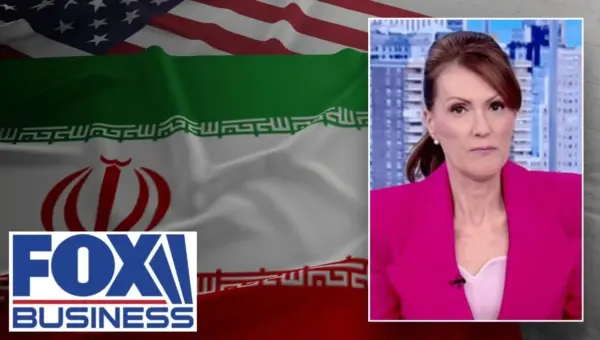
US Markets Surge as Iran Tensions Ease, Oil Prices Steady
U.S. stock markets are hitting new highs as tensions with Iran ease, with the S&P 500 reaching record levels. Despite persistent oil prices around $92 a barrel, the U.S. economy shows resilience, boosted by record oil exports. The focus is shifting to the economic confrontation with Iran, including the non-renewal of oil sales waivers, and long-term strategies to bypass the Strait of Hormuz.