Cuba’s Energy Crisis Cripples Hospitals, Threatens Lives
Cuba's deepening energy crisis is crippling its healthcare system, leading to spoiled medications and a severe shortage of functioning ambulances. Patients like leukemia sufferer Yonki Polo Garcia face life-threatening delays in treatment. The widespread power outages and fuel scarcity are impacting daily life, from dark streets to uncollected garbage, raising serious public health concerns.

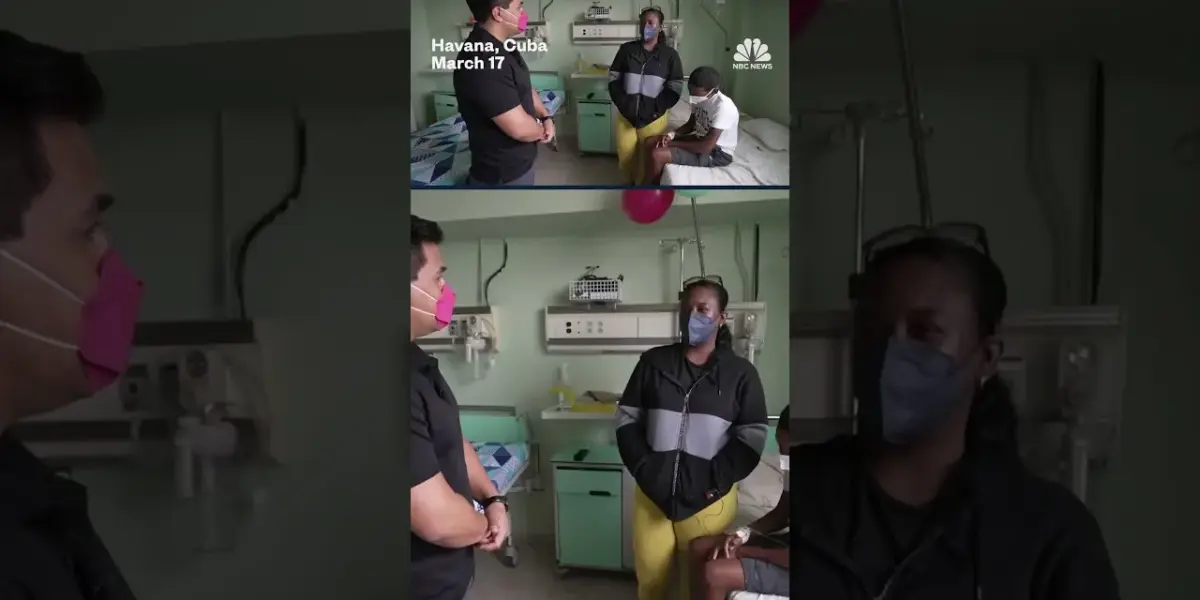
Havana Hospitals Grapple with Life-Saving Treatment Shortages
In Havana, Cuba, hospitals are facing a severe energy crisis that is directly impacting patient care and, in some cases, costing lives. Yonki Polo Garcia, a mother of two young boys battling leukemia, exemplifies the struggle. Her cancer treatments, which would be standard in many other countries, are nearly impossible to administer due to the ongoing power outages and fuel shortages.
Garcia lives just 20 miles from the hospital, but the lack of affordable transportation makes reaching medical care a daily challenge. She expressed the constant fear of not waking up, a sentiment shared by many Cubans who are fighting for survival amidst these difficult conditions. The crisis extends beyond individual patients, affecting the very infrastructure needed to preserve essential medicines.
Medication Spoilage and Resource Scarcity Plague Healthcare System
A critical issue within Cuban hospitals is the inability to reliably store refrigerated medications. Power outages can last up to eight hours, a duration long enough to cause temperature-sensitive drugs to spoil. Doctors are forced to find makeshift solutions to keep vital supplies cold, a desperate measure to salvage what little they have.
This struggle to preserve medicine highlights the broader impact of the fuel crisis. Doctors report that people across the country are dying due to the lack of fuel, which affects everything from transportation to essential medical services. While this specific hospital has been fortunate to avoid the worst outcomes so far, the situation remains dire.
Ambulance Shortages Leave Patients Stranded
The scarcity of fuel has crippled the nation’s ambulance services, leaving many vehicles unusable. Yada Kas’s 11-year-old son arrived at the hospital by ambulance, a journey she felt grateful for given the severe transportation limitations. Many ambulances are sidelined, either broken down, in need of repair, or simply out of gas, a resource that is extremely difficult to obtain.
The scale of the problem is staggering: 300 ambulances are reportedly sitting idle across the country, while only 25 are operational nationwide. This means that emergency medical response is severely limited, potentially delaying critical care for countless individuals. The lack of working ambulances is a stark symbol of the broader breakdown in essential services caused by the energy crisis.
Widespread Impact: Darkness, Heat, and Uncollected Waste
The energy crisis in Cuba is not confined to hospitals; it affects daily life across the island. Streets are often dark, and homes become dangerously hot due to the lack of electricity for cooling. This pervasive lack of power creates uncomfortable and potentially unhealthy living conditions for the general population.
Adding to the public health concerns, garbage is piling up on street corners throughout Havana and other cities. The inability to reliably power waste management systems contributes to unsanitary conditions, increasing the risk of disease. The interconnectedness of the energy crisis and public health is becoming increasingly evident.
Broader Implications for Cuba’s Future
The ongoing energy crisis in Cuba is more than just an inconvenience; it is a threat to the well-being of its citizens and a significant challenge to the nation’s stability. The inability to provide consistent electricity and fuel impacts every sector, from healthcare and transportation to sanitation and basic daily living. The government faces immense pressure to find sustainable solutions to this complex problem.
International aid and the potential for economic reform are often discussed as pathways forward, but the immediate reality for many Cubans is one of daily struggle. The situation highlights the fragility of a nation heavily reliant on imported fuel and facing persistent economic challenges. The long-term effects on public health and the economy remain a significant concern.
What to Watch Next
As Cuba continues to navigate this crisis, attention will be focused on the government’s efforts to secure fuel supplies and repair critical infrastructure. The effectiveness of any implemented solutions will be closely monitored, as will the impact on daily life and the healthcare system. Further developments in international relations and potential economic adjustments could also play a role in the island’s recovery.
Source: Cuban hospitals struggle to treat patients amid energy crisis (YouTube)

Related Articles
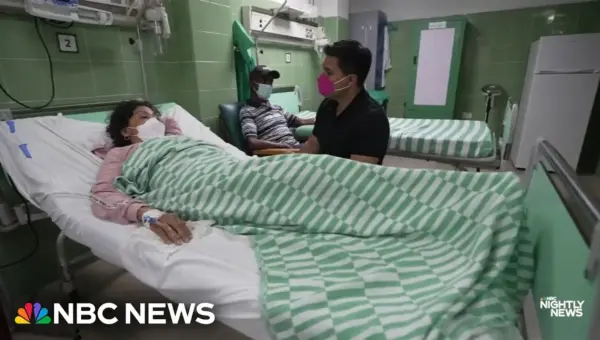
Cuba’s Hospitals Fight Power Outages Amid Crisis
Cuban hospitals are facing a critical energy crisis, leading to widespread power outages that endanger patient care. Essential treatments like chemotherapy are threatened as life-saving medicines risk spoiling and equipment fails during blackouts. The crisis also cripples daily life, with fuel shortages and dark streets adding to the widespread hardship.


Iran Blockade Sparks Global Economic Fears
A tense standoff in the Strait of Hormuz, driven by Iran's control over the vital waterway, is sparking global economic fears and raising the specter of $20 a barrel gas prices. The crisis highlights complex geopolitical dynamics involving the U.S., Iran, China, and Israel, with diplomatic missteps and economic warfare strategies at the forefront. This situation underscores the fragility of global energy markets and the interconnectedness of international security and economic stability.
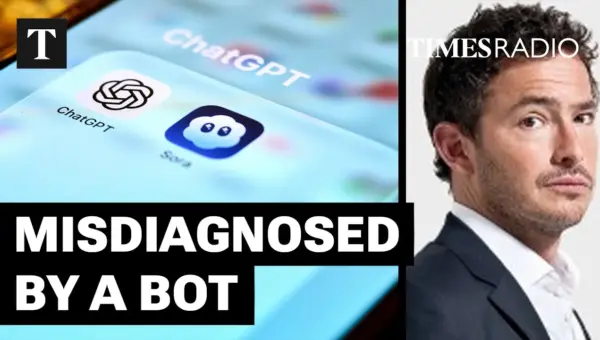
AI Misdiagnoses Medical Cases 80% of the Time
A recent U.S. study reveals that AI chatbots are misdiagnosing medical conditions in 80% of cases, highlighting significant risks in relying on artificial intelligence for health advice. Personal stories shared by individuals demonstrate how online self-diagnoses led to incorrect treatments and prolonged suffering, underscoring the irreplaceable value of human medical professionals.