Trump, Japan PM Meet Amid Iran Tensions
President Donald Trump and Japanese Prime Minister Shinzo Abe met at the White House on June 23, 2019, to discuss escalating tensions with Iran and bilateral trade. Both leaders emphasized diplomacy and de-escalation regarding Iran, while also expressing optimism about a new trade agreement. The meeting highlighted the critical role of U.S.-Japan cooperation in maintaining global security and economic stability.

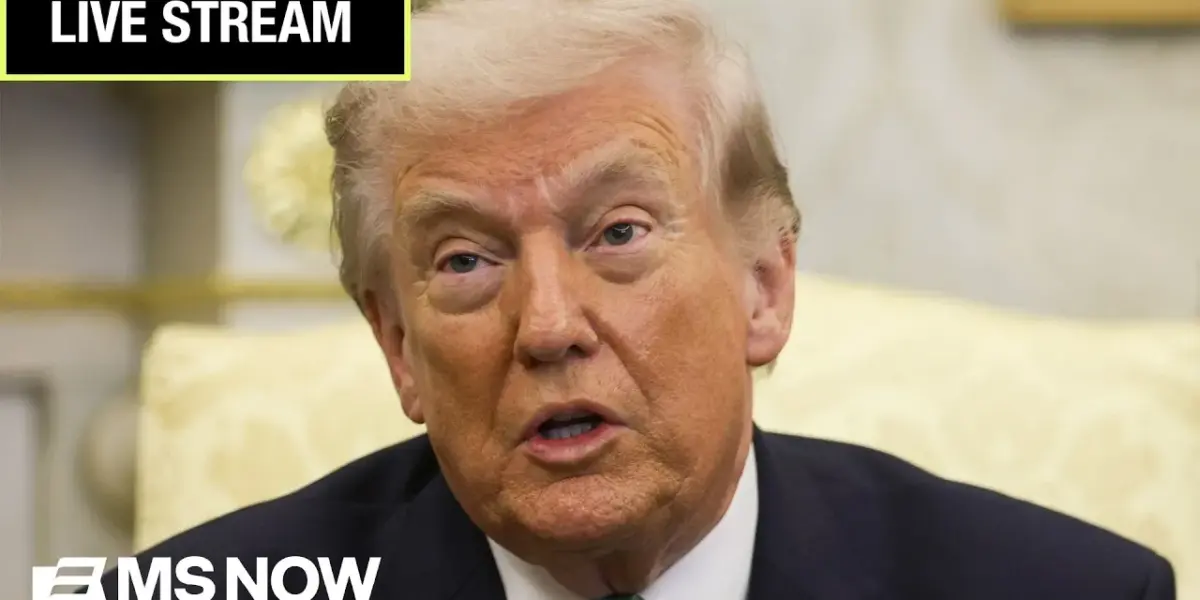
Trump, Japan PM Hold Talks Amid Global Tensions
President Donald Trump met with Japanese Prime Minister Shinzo Abe at the White House on Sunday, June 23, 2019, to discuss pressing global issues. The meeting occurred amid heightened international concerns over escalating tensions between the United States and Iran. Both leaders addressed reporters following their private discussions, offering insights into their shared agenda and their approach to regional stability.
Focus on Iran and Regional Security
A primary focus of the high-stakes meeting was the growing conflict with Iran. President Trump reiterated his desire for de-escalation and a peaceful resolution, stating his administration was not seeking conflict.
He emphasized that the U.S. Was prepared to defend its interests but preferred diplomacy. Prime Minister Abe, whose nation also seeks stability in the Middle East, expressed his country’s support for U.S. Efforts to prevent military escalation.
The leaders’ discussion reflected a global concern for peace. Iran’s actions had recently led to increased military presence in the Persian Gulf. This situation put many countries, including Japan, in a difficult position.
Japan relies heavily on oil imports from the region, making regional stability crucial for its economy. Abe shared his concerns about the potential impact of conflict on global energy markets and international shipping lanes. He stressed the importance of protecting Japanese vessels and citizens.
Trump assured Abe of U.S. Commitment to safeguarding international navigation. This assurance was vital for Japan, a major trading nation.
Bilateral Trade and Economic Ties
Beyond security matters, the U.S. And Japan also addressed bilateral trade. President Trump has long advocated for more favorable trade terms for the United States. He expressed optimism about reaching a new trade agreement with Japan.
Such an agreement would aim to reduce trade deficits and create more balance. Prime Minister Abe, while also keen on strengthening economic ties, highlighted Japan’s existing investments in the U.S. Economy. He pointed to the significant number of jobs created by Japanese companies operating within American borders.
The leaders indicated progress in their trade talks. They aimed to finalize key aspects of a new trade deal soon. This deal would likely focus on agricultural products and manufactured goods.
Both nations recognized the importance of a strong economic partnership. They saw it as a foundation for broader cooperation on global challenges.
The discussions aimed to build upon the existing strong relationship between the two allies. They sought to ensure continued economic prosperity for both countries.
Press Conference Highlights
During the joint press conference, President Trump and Prime Minister Abe fielded questions from journalists. Trump addressed questions regarding the Iran situation, emphasizing his administration’s measured response. He highlighted the importance of intelligence and careful decision-making in such sensitive geopolitical moments.
Abe provided context on Japan’s diplomatic efforts to ease tensions in the Middle East. He shared his perspective on the need for dialogue and de-escalation.
When asked about trade, Trump expressed confidence in the ongoing negotiations. He suggested that a deal was within reach and would be beneficial for American workers and businesses. Abe echoed the sentiment of constructive dialogue.
He stressed Japan’s commitment to fair trade practices and mutual benefit. The press conference offered a glimpse into the cooperative spirit between the two leaders. It showed their shared commitment to addressing complex global issues through dialogue and strategic partnership.
Broader Implications for Global Stability
The meeting between President Trump and Prime Minister Abe occurred at a critical juncture for international relations. The escalating tensions with Iran posed a significant threat to global peace and economic stability.
Japan, as a major economic power and U.S. Ally, plays a key role in regional security. Its stance on the Iran issue and its economic relationship with the U.S. Have far-reaching implications.
The discussions underscored the interconnectedness of global security and economic well-being. A conflict in the Middle East could disrupt vital oil supplies, impacting economies worldwide. The U.S. And Japan, as two of the world’s largest economies, have a vested interest in maintaining a stable international order.
Their cooperation on security and trade matters sends a strong signal to other global actors. It emphasizes the value of diplomacy and strategic alliances in navigating challenging times. The outcome of their talks could influence regional dynamics and international responses to future crises.
Looking Ahead
Following their productive meeting, President Trump and Prime Minister Abe are expected to continue their close consultations. The focus remains on de-escalating tensions with Iran and securing international trade routes. Further progress on the bilateral trade agreement is also anticipated in the coming months.
Both nations will likely engage in further diplomatic efforts to promote peace and stability in the Middle East and beyond. The world will be watching to see how these diplomatic efforts unfold.
Source: LIVE: President Trump meets with Japanese Prime Minister amid global tensions over war with Iran (YouTube)

Related Articles

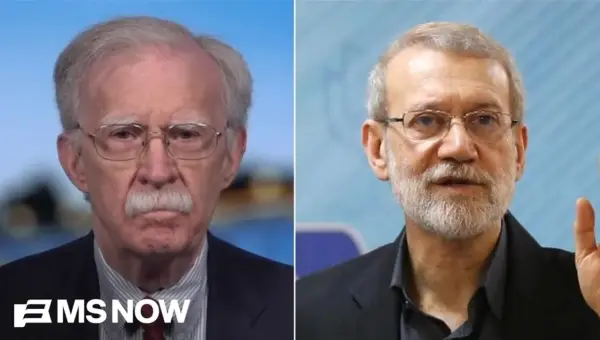
Bolton Slams Trump’s Iran Policy as ‘Snake-Like’
John Bolton, former National Security Advisor, has strongly criticized former President Trump's Iran policy as "snake-like" and lacking a clear strategy. Bolton stated that Trump's decisions were often impulsive, undermining U.S. credibility and creating instability in the Middle East. He called for a more consistent and strategically grounded approach to foreign policy.

Trump Claims Presidential Call; Four Denials Emerge
Former President Donald Trump claimed he spoke with a past president who regretted not taking a certain action, implying approval of his own policies. However, aides for George W. Bush, Bill Clinton, Barack Obama, and sources close to Joe Biden have all denied any such conversations occurred. Trump has remained evasive when asked to identify the individual.

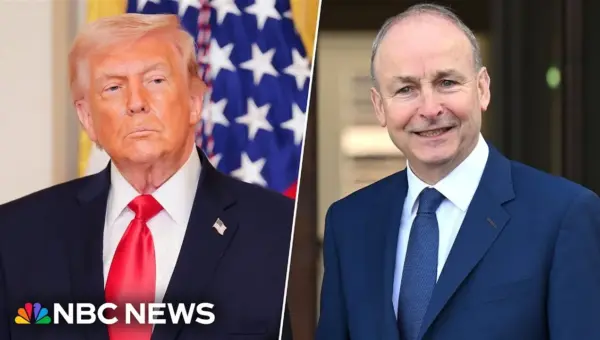
Trump Welcomes Irish Leader, Discusses Trade, Iran Tensions
President Trump welcomed Ireland's Taoiseach to the White House, discussing trade and the strong historical ties between the nations. The meeting also covered President Trump's views on Iran's military capabilities, his criticisms of NATO's support for U.S. initiatives, and upcoming foreign policy engagements.