Trump Questions Japan on Pearl Harbor Surprise Attack
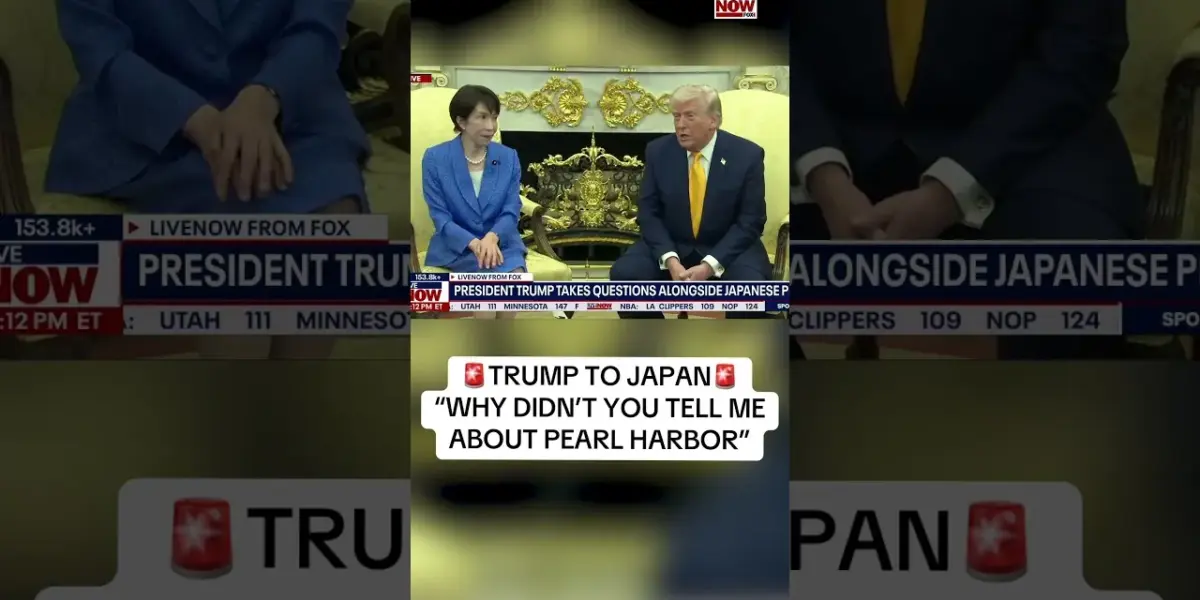
Former President Donald Trump reportedly asked Japanese officials why they didn't warn him about the Pearl Harbor attack during a private dinner. This surprising question, shared by former U.S. Ambassador to Japan Caroline Kennedy, highlighted Trump's unconventional approach to historical events and military strategy. The remark has sparked discussion about Trump's understanding of history and his methods of communication in diplomacy.

Trump Questions Japan on Pearl Harbor Surprise Attack
Former President Donald Trump reportedly asked Japanese officials why they didn’t warn him about the Pearl Harbor attack during a private meeting. This surprising question, shared by former U.S. Ambassador to Japan Caroline Kennedy, highlights Trump’s unique approach to foreign relations and historical events. The exchange occurred during a private dinner when Trump was President, and Kennedy was present as a guest.
Trump’s question, “Why didn’t you tell me about Pearl Harbor?” was met with confusion by the Japanese attendees. Kennedy explained that Trump was attempting to draw a parallel between historical military strategies and modern diplomatic communication. She clarified that Trump was exploring the concept of surprise in warfare and its implications.
The Context of Surprise in Warfare
Trump’s focus on surprise as a military tactic is a recurring theme. He often emphasized the importance of not signaling intentions too early in military operations.
Trump believed that keeping plans secret was key to achieving decisive results. He felt that surprise ensured a stronger impact when an action was finally taken.
During the conversation, Trump mentioned his own administration’s approach to certain military actions. He suggested that his team often acted with surprise, not informing many people beforehand. This, he believed, was a strategy to maximize effectiveness and achieve objectives quickly.
Historical Misunderstanding or Strategic Point?
The remark about Pearl Harbor, a devastating surprise attack by Japan on the U.S. Naval base in Hawaii on December 7, 1941, has drawn significant attention. Critics viewed the question as a display of historical ignorance. They questioned why a U.S. President would ask an ally about a historical event where Japan was the aggressor.
However, others suggest Trump was not genuinely asking for historical information. Instead, he might have been using the event to make a point about strategic surprise.
His supporters often point to his unconventional methods as a way to challenge traditional thinking. This approach, they argue, could lead to unexpected but effective outcomes.
Japanese Perspective on the Remark
Caroline Kennedy, who served as Ambassador to Japan from 2013 to 2017 under President Obama, shared the anecdote. She described the reaction of the Japanese citizens present.
They appeared confused by the question, as it seemed to imply a shared responsibility or a need for notification regarding a past event. The historical context of Pearl Harbor is deeply ingrained in both nations’ histories.
The Japanese citizens present likely understood the historical significance of Pearl Harbor. They may have found Trump’s framing of the question unusual.
It is important to remember that the attack on Pearl Harbor was a key moment that led to the United States entering World War II. Japan’s actions were a deliberate military strategy at the time.
Broader Implications for Diplomacy
Trump’s communication style has often been described as direct and unconventional. This incident with the Pearl Harbor question fits that pattern. It shows his tendency to connect current policy discussions to historical events, sometimes in unexpected ways.
Such remarks can create ripples in international relations. While intended to make a point about strategy, they can also be misinterpreted.
Allies may question the depth of historical understanding or the seriousness with which past events are treated. This can affect trust and the nuances of diplomatic exchanges.
Looking Ahead
The anecdote is a reminder of the unique nature of Trump’s presidency. His interactions with world leaders and his understanding of historical events continue to be subjects of discussion. Future accounts from his time in office may reveal more about his distinctive approach to foreign policy and historical interpretation.
Source: Trump to Japan: “Why didn’t tell me about Pearl Harbor?” #president (YouTube)

Related Articles
Trump, Japan PM Meet Amid Iran Tensions
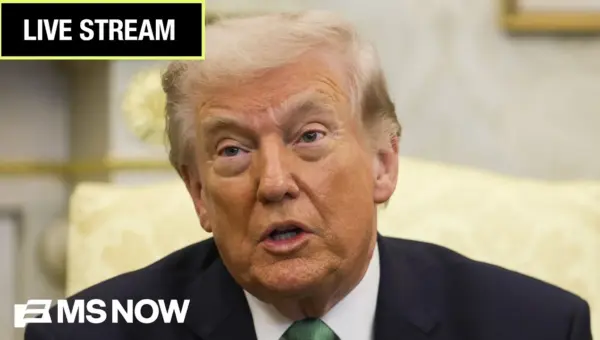
President Donald Trump and Japanese Prime Minister Shinzo Abe met at the White House on June 23, 2019, to discuss escalating tensions with Iran and bilateral trade. Both leaders emphasized diplomacy and de-escalation regarding Iran, while also expressing optimism about a new trade agreement. The meeting highlighted the critical role of U.S.-Japan cooperation in maintaining global security and economic stability.
Japan Pledges Support Amid Global Security Tensions
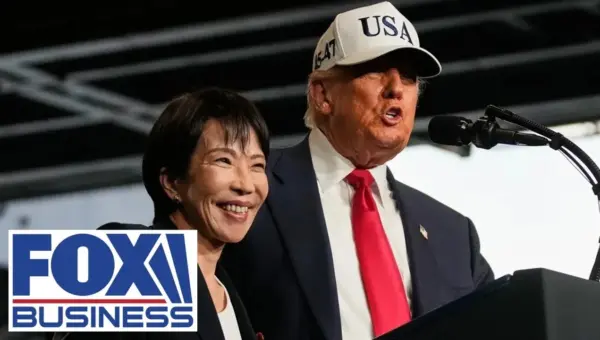
Japan's Prime Minister Sanae Takaichi met with former President Donald Trump to discuss global security and economic cooperation. Key topics included Iran's nuclear ambitions, stabilizing energy markets, and strengthening the Japan-US alliance. Both leaders emphasized shared concerns and a commitment to working together on international challenges.

Bolton Slams Trump’s Iran Policy as ‘Snake-Like’
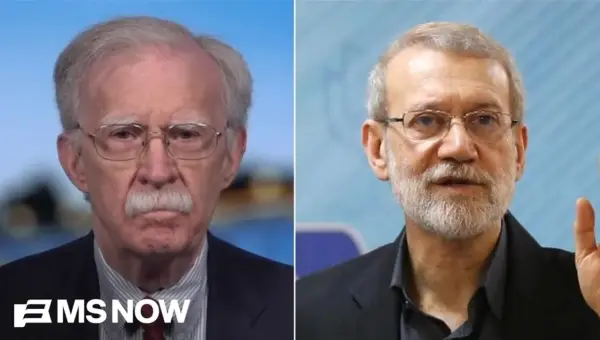
John Bolton, former National Security Advisor, has strongly criticized former President Trump's Iran policy as "snake-like" and lacking a clear strategy. Bolton stated that Trump's decisions were often impulsive, undermining U.S. credibility and creating instability in the Middle East. He called for a more consistent and strategically grounded approach to foreign policy.