Trump Delays China Trip Amid Mideast War, Trade Tensions
Former President Donald Trump has postponed a planned trip to China, citing the ongoing Middle East war as a key reason. The conflict is impacting the US economy more severely than China's, altering the global power dynamic. Trade disputes over tariffs and agricultural purchases remain the central issue between the two nations.

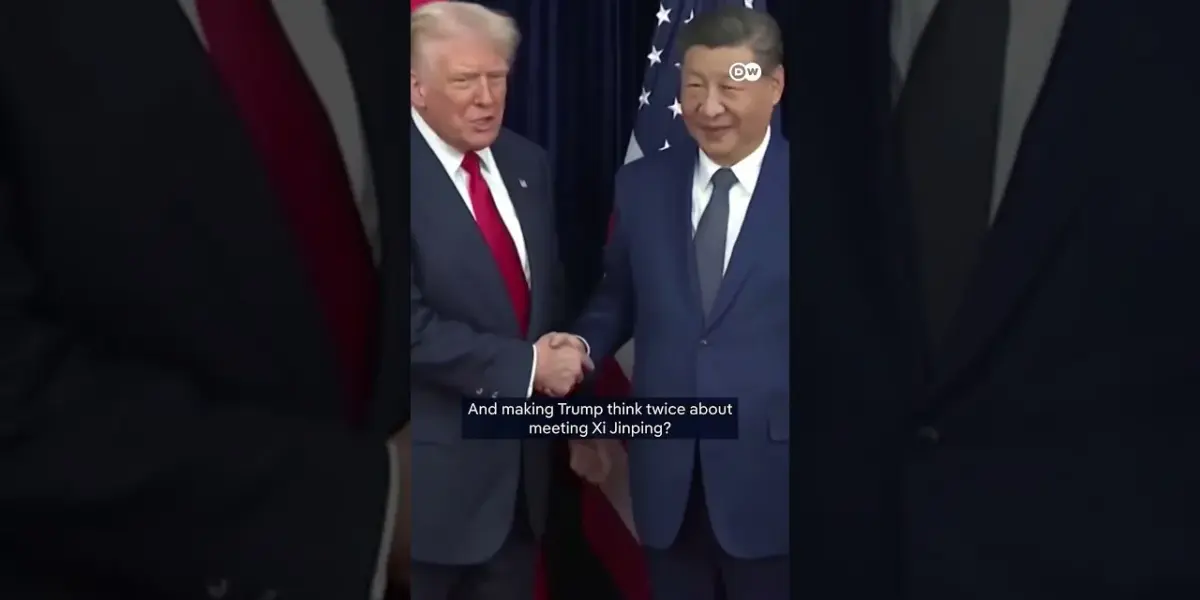
Trump Postpones Crucial China Visit Amid Global Turmoil
Former President Donald Trump has postponed a planned late March trip to Beijing, citing the ongoing war in the Middle East as the primary reason for the delay. The decision, announced recently, highlights the significant impact of regional conflicts on international diplomacy and economic relations between the United States and China.
Trump stated that the “war going on” made it important for him to remain in the United States, suggesting a need to focus on domestic and immediate international crises. This postponement comes as the US-led conflict with Iran has escalated, creating instability across the Middle East and disrupting vital global trade routes, particularly oil shipments from the Strait of Hormuz.
Mideast Conflict Fuels Economic Disparities Between US and China
The prolonged conflict in the Middle East has created a noticeable economic divide between the two global powers. For Americans, the disruption to oil supplies has led to higher prices at the gas pump, directly impacting household budgets and the broader economy. This situation contrasts sharply with China’s position.
Beijing has largely abstained from direct military involvement in the regional conflict, choosing instead to maintain its economic ties with Iran by continuing to purchase oil. With substantial oil reserves, China appears more insulated from the immediate economic fallout affecting the United States, giving it a strategic advantage in the ongoing power struggle.
Trade Disputes Remain the Core Issue in US-China Relations
While the Iran war has altered the geopolitical context, the fundamental disagreements between the US and China, particularly concerning trade, remain the central obstacle to improved relations. Previous diplomatic meetings, including one in Paris, failed to yield an agreement on the agenda for Trump’s visit, highlighting the depth of the trade dispute.
China’s primary objective in these negotiations is to secure relief from the tariffs imposed by the Trump administration, which have significantly impacted its export-driven economy. Conversely, Trump is focused on increasing Chinese purchases of American agricultural products, a move designed to garner support from farmers in key states ahead of midterm elections.
Shifting Global Dynamics Influence Diplomatic Strategy
The context surrounding Trump’s potential visit has evolved considerably since his last trip to Beijing during his presidency. The escalating economic pressures on the US due to the Iran war, coupled with China’s more stable economic standing, suggest a shift in the balance of power. This changing dynamic may be influencing Trump’s calculations regarding his engagement with Chinese President Xi Jinping.
The war’s impact on the US economy is becoming increasingly evident, while China’s relative confidence grows. This situation implies that the timing and terms of any future high-level discussions between the two nations will be heavily influenced by these evolving global economic and political conditions. The delay signals a period of strategic recalibration for both sides as they navigate a complex international environment.
Future Outlook and Next Steps
As the situation in the Middle East continues to unfold, its repercussions on global trade and energy markets will remain a critical factor. The US and China will likely reassess their diplomatic and economic strategies in light of these developments. Observers will be watching closely to see when and under what conditions a meeting between Trump and Xi Jinping might eventually take place, and how the ongoing trade disputes will be addressed in this altered global landscape.
Source: Is this the next twist in US–China power politics? | DW Shorts (YouTube)

Related Articles

Cuban Exiles Fear Trump’s ‘Take Control’ Threat
Cuban exiles are expressing deep concern over former President Donald Trump's recent remarks about potentially "taking control" of Cuba. The comments come as the island nation faces severe shortages of electricity and fuel, drastically impacting daily life for its citizens. Many fear renewed U.S. intervention could worsen the humanitarian crisis.


Russia Fears Western Surveillance of Putin
President Putin reportedly fears Western intelligence agencies exploiting Russia's vast surveillance network. This concern mirrors anxieties in China, highlighting a vulnerability for authoritarian states. The situation reflects a growing technological arms race in intelligence gathering.


EU Rejects Trump’s Iran War Demands, Cites Illegality
European leaders have firmly rejected calls to join the United States in a war against Iran, citing illegality and lack of justification. The EU's stance directly challenges President Trump, who has urged NATO allies to provide naval support. The conflict's economic fallout is being felt across Europe, with rising energy prices impacting member states.