Trump Attacks Critics When Polls Show Him Falling
Donald Trump's recent attacks on a Fox News host and the Pope highlight a pattern of deflecting criticism through personal insults. When faced with low approval ratings and policy critiques, Trump often shifts the focus to attacking his opponents rather than addressing substantive issues.

Trump Attacks Critics When Polls Show Him Falling
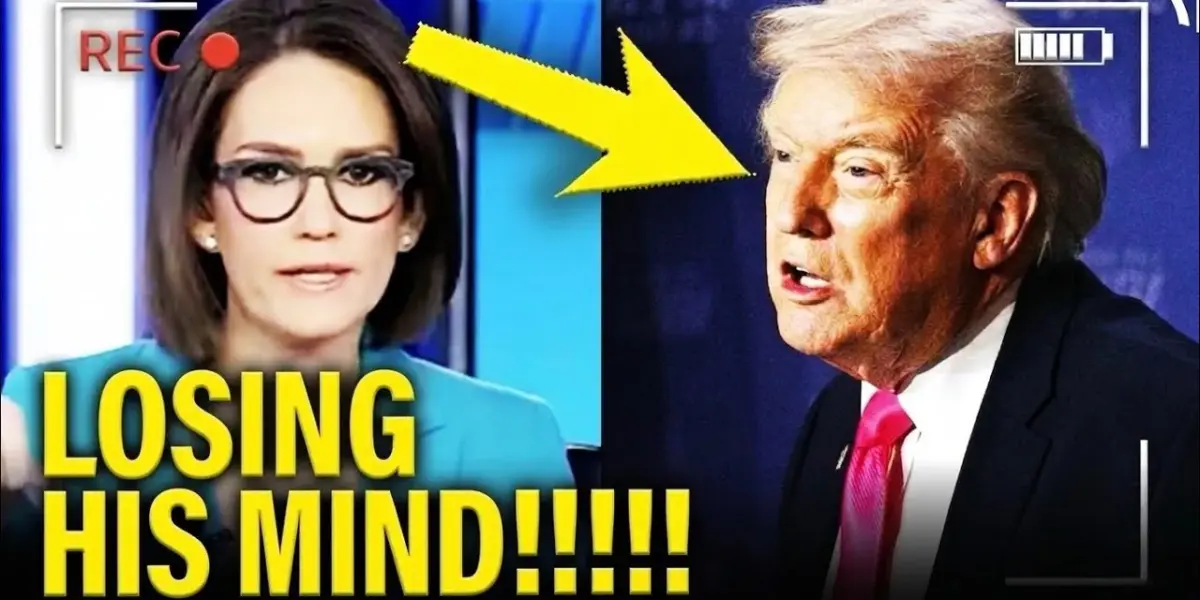
Donald Trump recently engaged in a public dispute with a Fox News host, Jessica Talov, after she highlighted his poor approval ratings. This wasn’t the first time Trump has targeted media figures or religious leaders. He also had words with the Pope, calling him weak on crime.
Talov pointed out that Trump’s approval rating was around 35% in many polls. She also noted that his policies were making economic conditions worse for 65% of Americans.
Instead of offering data to counter these points, Trump attacked Talov’s appearance and voice. He demanded she be removed from television, a move critics say is a common tactic when facing difficult questions.
Focus Shifts from Policy to Personal Attacks
The exchange shows a pattern of behavior where Trump deflects criticism by attacking the messenger. This strategy aims to change the subject from unfavorable policy outcomes or low approval numbers. When faced with questions about his economic plans or foreign policy, Trump often resorts to insults rather than detailed explanations.
This approach is not new. In the past, Trump has attacked other Fox News hosts, conservative figures, and even religious leaders like the Pope. These attacks often occur when his own actions or policies are under scrutiny, suggesting a deliberate effort to redirect public attention.
Historical Context of Trump’s Communication Style
Donald Trump’s communication style has long been characterized by its directness and confrontational nature. Throughout his business career and political campaigns, he has frequently used strong language to describe opponents or critics. This method has proven effective in galvanizing his base and capturing media attention.
However, this style also draws significant criticism. Opponents argue that it creates a divisive political climate and distracts from substantive policy debates. The attacks on figures like Jessica Talov and the Pope exemplify this contentious approach, raising questions about the nature of political discourse.
The Role of Polls in Political Strategy
Political polls are often seen as crucial indicators of public opinion and a candidate’s standing. For politicians, consistently low poll numbers can signal a need to adjust strategy or address underlying issues. The transcript highlights that Trump’s approval ratings are in the 30s, with particular weakness on economic issues.
These numbers suggest a challenge for Trump and the Republican party. While his base remains loyal, winning over undecided voters or appealing to broader demographics may require a different approach than simply attacking opponents. The data presented indicates a significant portion of the electorate is dissatisfied with current economic conditions under his influence.
Broader Implications for Political Discourse
The focus on personal attacks over policy discussions has broader implications for how politics is conducted. When politicians prioritize conflict and name-calling, it can discourage informed debate and alienate voters seeking practical solutions to their problems. This dynamic can create a cycle where emotional appeals overshadow rational policy analysis.
This trend is concerning for those who believe robust public policy discussions are essential for a healthy democracy. The constant shift to cultural or personal battles may leave important societal issues unaddressed. It also makes it harder for voters to make informed decisions based on a candidate’s qualifications and proposed policies.
Why This Matters
The way political figures communicate and respond to criticism shapes public perception and influences policy outcomes. When leaders resort to personal attacks, especially against women or religious figures, it sets a concerning precedent for respectful dialogue. It also suggests a potential weakness in addressing substantive challenges.
Understanding these tactics is important for voters. Recognizing when a politician is deflecting difficult questions allows for a more critical evaluation of their claims and actions. It encourages a focus on policy substance rather than sensationalized conflict.
Future Outlook
The ongoing use of aggressive rhetoric and personal attacks in politics suggests this trend may continue. As elections approach, candidates may rely even more on these strategies to energize supporters and undermine opponents. The effectiveness of such tactics, however, remains a subject of debate.
Ultimately, the long-term impact of this communication style on public trust and democratic engagement is still unfolding. The willingness of media outlets and the public to engage with substantive issues, despite the noise, will be key in shaping the future of political discourse.
As of the latest reports, Donald Trump continues to maintain an approval rating in the low 30s, indicating ongoing challenges in public perception.
Source: Trump THREATENS Fox host after being DRAGGED live on AIR (YouTube)

Related Articles
US Navy Seizes Iranian Ship After Refusal to Stop
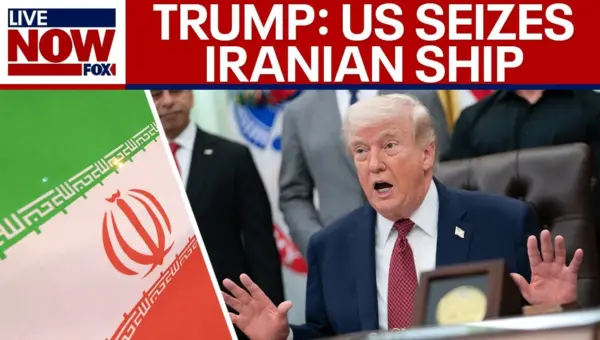
The U.S. Navy has seized an Iranian cargo ship in the Gulf of Oman after it refused to stop, according to President Trump. This action escalates tensions as a regional ceasefire deadline approaches. High-stakes negotiations are planned in Pakistan, though Iran has expressed rejection.

Harris: Trump Started Iran War Americans Don’t Want
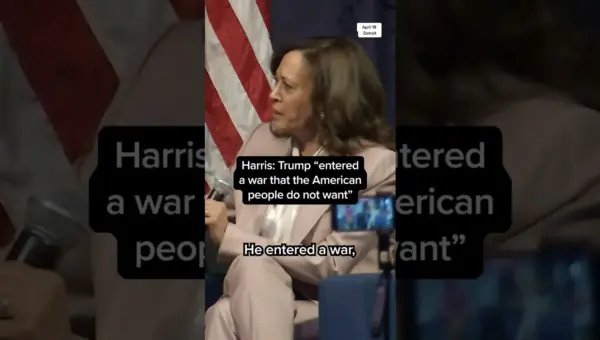
Vice President Kamala Harris criticized former President Donald Trump's approach to Iran, stating he "entered a war that the American people do not want." Speaking in Michigan, Harris alleged that Trump was influenced by Israeli Prime Minister Benjamin Netanyahu. She warned that this policy strained alliances and increased costs for Americans.
Iran’s Digital Barrage: How Social Media Targets Trump
Iranian social media accounts are using AI and rapid content creation to mock Donald Trump and his allies. They employ satire and direct accusations, turning Trump's own tactics against him. This digital campaign highlights the growing role of social media in international influence operations.