US Navy Seizes Iranian Ship After Refusal to Stop
The U.S. Navy has seized an Iranian cargo ship in the Gulf of Oman after it refused to stop, according to President Trump. This action escalates tensions as a regional ceasefire deadline approaches. High-stakes negotiations are planned in Pakistan, though Iran has expressed rejection.

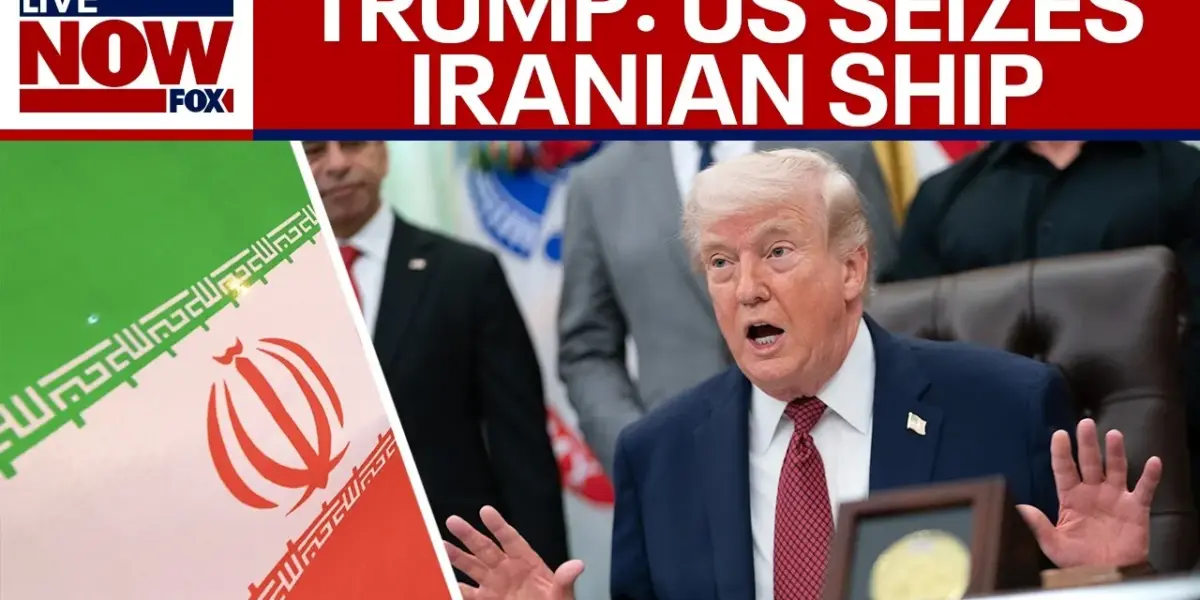
US Navy Seizes Iranian Ship After Refusal to Stop
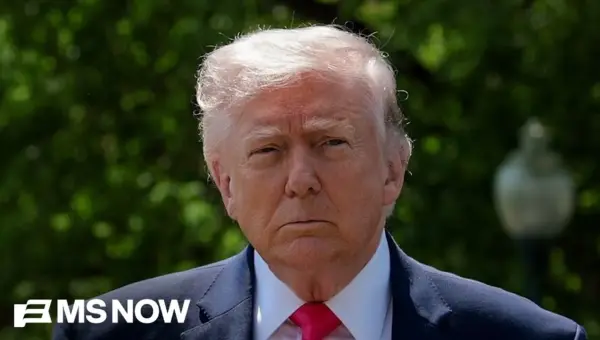
In a dramatic escalation in the Middle East, the U.S. Navy has seized an Iranian cargo ship after it reportedly refused to heed warnings and stop. President Trump announced the action on social media, stating the vessel was intercepted in the Gulf of Oman after attempting to breach a naval blockade.
The U.S. Marines now have custody of the ship, which is already under U.S. Treasury sanctions for illegal activities. This incident occurs amid heightened tensions and a looming deadline for a ceasefire in the region.
Escalation Amid Ceasefire Deadline
The confrontation marks a significant development just days before a critical ceasefire is set to expire. President Trump described the Iranian ship as nearly 900 feet long and weighing almost as much as an aircraft carrier.
According to his post, the U.S. Navy guided missile destroyer issued a warning, but the Iranian crew refused to comply. In response, the Navy disabled the ship by blowing a hole in its engine room, effectively stopping it in its tracks.
“A Navy ship stopped them right in their tracks, blowing a hole in the engine room. Right now, US Marines have custody of the vessel.” – President Trump via social media
The seizure of the ship is seen by observers as another sign of rising tensions. Will Weissert, an Associated Press White House reporter, described the situation as another escalation, especially with the approaching end of the ceasefire.
He noted that the Strait of Hormuz has been a point of contention, with back-and-forth claims about its openness. The limited number of ships that have actually passed through recently highlights the ongoing challenges.
High Stakes for Upcoming Negotiations
This event adds pressure to upcoming diplomatic efforts. A high-level U.S. delegation, including Senator JD Vance and Jared Kushner, is scheduled to travel to Pakistan for talks.
Iran has stated it rejects these talks, creating uncertainty about their productivity. However, Weissert believes that the seizure of the ship will likely increase pressure for some form of discussion, even if Iran officially denies engagement.
The U.S. aims to preserve the ceasefire before it expires on Wednesday. The broader implications for the global economy are also significant.
Increased instability in the Strait of Hormuz, even with a U.S.-led action, could lead to market uncertainty and affect oil prices. Conversely, a successful agreement to extend the ceasefire could have a positive economic impact.
Iran’s Stance and Negotiation Tactics
Weissert suggested that Iran’s public rejection of talks might be a strategic move. Iran may wish to avoid appearing to cooperate with the United States for propaganda reasons.
The country might feel it has leverage by causing economic disruption and may not feel pressured to negotiate immediately. Iran may be trying to exert pressure on Israel regarding its actions in Lebanon against groups like Hezbollah.
While Iran’s participation in the upcoming talks is uncertain, some form of discussion is still expected. The U.S. delegation, led by Vance, hopes for a significant breakthrough, though the likelihood remains unclear. The previous round of talks in Islamabad lasted 21 hours, indicating the complexity of the issues involved.
Nuclear Program and Frozen Assets
A key sticking point in potential negotiations involves Iran’s nuclear program. The U.S. wants Iran to remove enriched uranium to set back or halt its nuclear ambitions.
Iran, however, maintains its right to a civilian nuclear program for peaceful purposes and has stated that enriched uranium is not negotiable. President Trump has previously suggested that Iran would cooperate in removing enriched uranium, a claim Iran has not supported.
Another complex issue is the fate of billions of dollars in frozen Iranian assets held globally due to U.S. sanctions. While not publicly addressed by President Trump, releasing these funds could be a bargaining chip.
However, this move could be perceived as a payoff, potentially contradicting the Trump administration’s criticism of the previous deal that involved payments to Iran. Resolving these sensitive issues is seen as a prerequisite for any major agreement.
The Ceasefire and Future Threats
With the ceasefire set to expire, there is concern about potential broader attacks. President Trump has previously threatened to target Iran’s infrastructure if negotiations falter.
While the exact rhetoric might change, the U.S. is expected to use the threat of wider conflict as a negotiation tactic. The possibility of another last-minute ceasefire agreement, similar to the one that occurred two Tuesdays prior, remains.
The coming days are expected to be dominated by developments related to the ceasefire and the ongoing diplomatic efforts. President Trump, who has remained in Washington, may make public statements as the deadline approaches.
The situation remains fluid, with the potential for an extended ceasefire, an expiration, or an intermediate solution. Observers are watching closely for any signs of progress or further escalation.
Source: BREAKING: Trump says US Navy has seized Iranian cargo ship, 'refused to listen' (YouTube)

Related Articles


Harris: Trump Started Iran War Americans Don’t Want
Vice President Kamala Harris criticized former President Donald Trump's approach to Iran, stating he "entered a war that the American people do not want." Speaking in Michigan, Harris alleged that Trump was influenced by Israeli Prime Minister Benjamin Netanyahu. She warned that this policy strained alliances and increased costs for Americans.
Iran Skips Peace Talks, Citing US Demands and Blockade
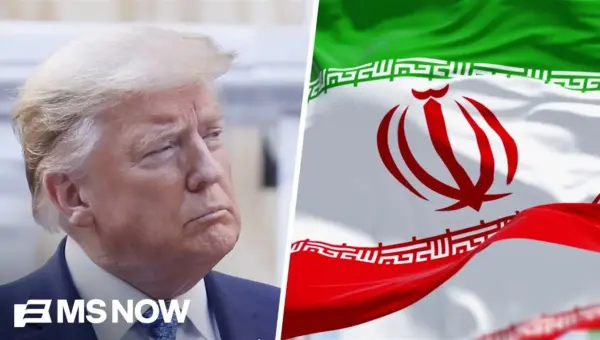
Iran has withdrawn from upcoming peace talks in Pakistan, citing unrealistic U.S. demands and an ongoing naval blockade in the Strait of Hormuz. The critical waterway remains closed, impacting global shipping. Tensions are high as the U.S. maintains a strong stance, raising concerns about potential attacks on civilian infrastructure.
Trump Renews Threats on Iran Amid Peace Talks Confusion
President Trump is renewing threats against Iran's energy infrastructure amidst confusion over upcoming peace talks. Conflicting reports about Vice President Pence's attendance and President Trump's varied public messages are creating uncertainty. Experts suggest Iran's struggling economy provides incentives for a deal, but significant military capabilities remain.