US, Iran Near Fragile Peace Talks Amid Tensions
The United States is sending a delegation to Islamabad for peace talks with Iran as a ceasefire nears expiration. While Iran demands trust and rejects U.S. negotiation tactics, experts remain skeptical about immediate progress. Key sticking points include Iran's enriched uranium stockpile and its missile capabilities, while both nations face significant economic pressures.

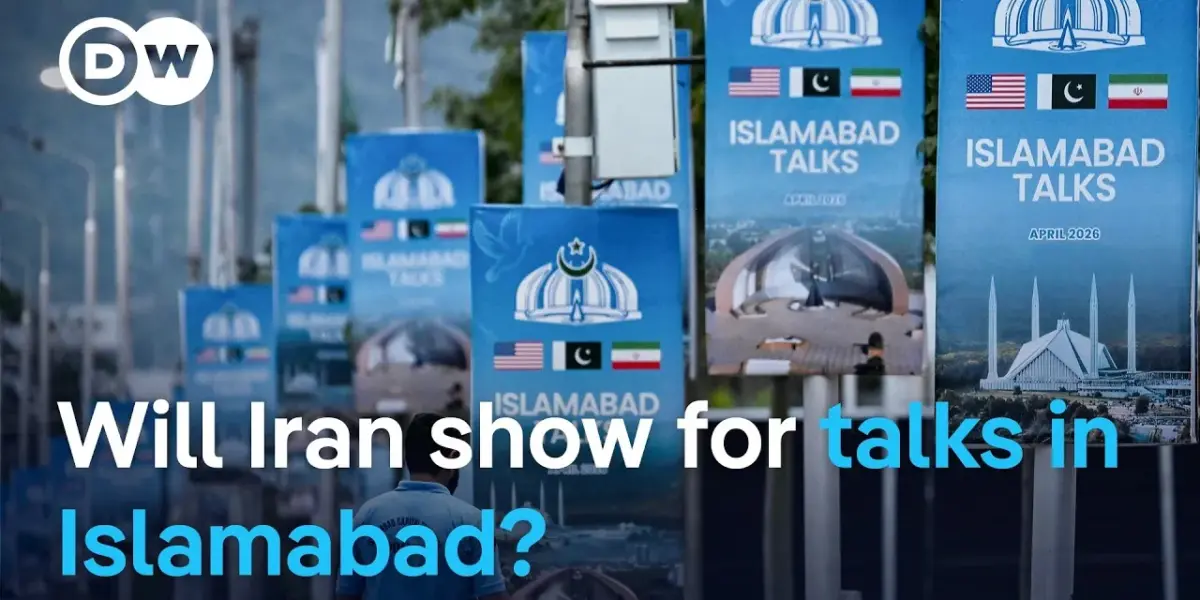
US Delegation Heads to Islamabad for Crucial Iran Talks
The United States is sending a delegation to Islamabad, Pakistan, for peace talks with Iran, as a fragile ceasefire nears its expiration. President Donald Trump announced the negotiations in a Truth Social post on Sunday, stating that his representatives would arrive Monday evening.
The announcement comes as mediators work to extend a truce set to end on Wednesday. However, significant gaps remain between the two nations, with Iran’s top negotiators confirming receipt of new proposals but emphasizing that a final deal is still distant.
Iran Demands Trust, Rejects US Negotiation Tactics
Iran’s negotiators stressed that for any progress to be made, the United States must earn the trust of the Iranian people. They believe this is the most critical step for the Americans to take.
If Washington truly intends to negotiate in good faith, Iran insists the U.S. must abandon its current approach. This approach, characterized by bias and an attempt to impose terms, has historically proven unsuccessful, according to Iranian officials.
Expert Weighs In: Are Both Sides Buying Time?
Merad Burajeri, an expert on Iranian politics and dean at Missouri University of Science and Technology, expressed skepticism about the immediate prospects for a settlement. He noted that the two sides remain far apart on their core demands. While a U.S. delegation is heading to Pakistan to restart talks, Burajeri is uncertain if a resolution can be reached.
A lasting peace, he explained, requires addressing disputes over Iran’s nuclear program and other complex issues. This will demand significant compromise and careful negotiation. Burajeri questioned whether both sides possess the necessary patience for such a lengthy process.
Enriched Uranium: A Key Sticking Point
A major obstacle in the negotiations is Iran’s enriched uranium stockpile. Iran has stated it will not hand over its enriched uranium, viewing the nuclear issue as a matter of national dignity. However, recent reports from The New York Times suggest Iran has indicated a willingness to dilute its stockpile.
Iran has proposed either keeping the diluted uranium on its own soil under international inspection or sending it to Russia for safekeeping. Crucially, Iran insists that any such action must be phased and linked to the release of its frozen funds and the lifting of American sanctions. This contrasts with President Trump’s earlier claims that Iran agreed to hand over its stockpile without immediate concessions.
Iran’s Missile Resilience and Strategic Strength
Despite weeks of strikes from the U.S. and Israel, U.S. intelligence reports indicate Iran retains a significant portion of its missile stockpiles and launchers. Burajeri highlighted that missiles and drones have become a vital domestic industry for Iran, especially since it lacks a strong air force. He believes Iran views its missile program as its primary defensive capability and is unlikely to agree to limitations.
Iran has demonstrated its ability to disrupt global shipping, particularly in the Persian Gulf. Actions like closing the Strait of Hormuz, a critical chokepoint for global energy supplies, can be triggered by specific U.S. actions. These include the entry of U.S. naval ships into the region or any attempt to physically occupy Iranian islands.
Strategically, Iran may emerge from the conflict stronger due to its enhanced capabilities and its control over the Strait of Hormuz. However, its economic position is significantly weakened. One Iranian official estimated the war’s damage at over $270 billion, a figure triple the government’s annual budget.
Economic Fallout and Trump’s Threats
While President Trump has discussed releasing $27 billion in frozen Iranian assets, this amount is only about 10% of the estimated damage. Economic experts predict Iran’s reconstruction could take at least 12 years, making economic recovery extremely difficult without addressing its damaged energy infrastructure.
President Trump’s rhetoric, including threats to destroy Iran’s power plants and bridges, has been poorly received in Tehran. This messaging is seen as a direct attack on Iranian pride and resilience. Such threats, which could be considered war crimes under international law, are likely counterproductive, alienating potential supporters within Iran.
Seeking an Off-Ramp: Diplomacy Over Conflict
Burajeri believes neither Iran nor the United States would benefit from a resumption of fighting. Public opposition to the war in the U.S. and the severe economic costs for Iran create incentives for a diplomatic solution. The key will be the diplomatic skill and willingness of both sides to engage in step-by-step reciprocal actions.
Negotiations, similar to the lengthy process of drafting the JCPOA nuclear deal, will likely be a lengthy undertaking. Addressing issues like the nuclear program, the Strait of Hormuz, frozen assets, and compensation will require patience. Moving away from harsh rhetoric and artificial deadlines is essential, given the significant stakes for the global economy, including potential jet fuel shortages in Europe and energy burdens for weaker Asian economies.
Looking Ahead: Patience and Diplomacy
The upcoming talks in Islamabad represent a critical opportunity for de-escalation. The focus will be on whether both nations can overcome deep-seated mistrust and complex challenges through patient diplomacy. The global economic implications highlight the urgency of finding a peaceful resolution.
Source: US delegation heads to peace talks in Islamabad | DW News (YouTube)

Related Articles

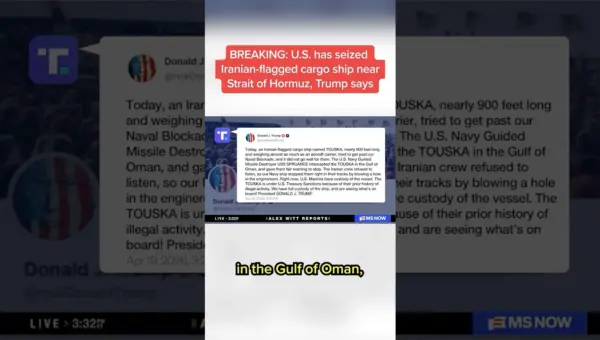
US Navy Seizes Iranian Ship Near Hormuz Strait
The U.S. Navy has seized an Iranian-flagged cargo ship near the critical Strait of Hormuz. Former President Donald Trump announced the interception on Truth Social, stating the vessel damaged its engine room while attempting to pass a blockade. The incident raises concerns about regional stability and global oil supply routes.
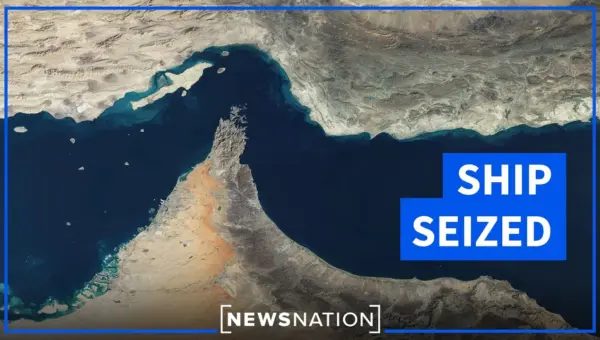
Navy Seizes Ship, Tightens Grip on Iran’s Economy
The U.S. Navy has seized an Iranian-flagged cargo ship in the Gulf of Oman, with President Trump highlighting the action as a consequence of Iran's refusal to heed warnings. This move is part of a broader strategy of economic pressure, using a naval blockade to gain leverage over Iran.
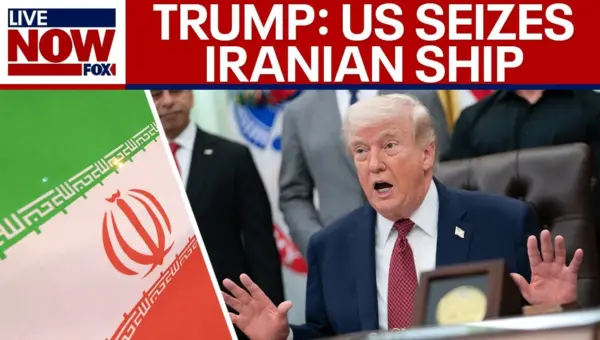
US Navy Seizes Iranian Ship After Refusal to Stop
The U.S. Navy has seized an Iranian cargo ship in the Gulf of Oman after it refused to stop, according to President Trump. This action escalates tensions as a regional ceasefire deadline approaches. High-stakes negotiations are planned in Pakistan, though Iran has expressed rejection.