Gen Z’s AI Enthusiasm Dips Sharply
New data shows Gen Z's excitement for AI has sharply declined, with anxiety and anger on the rise. This contrasts with AI experts' high optimism about the technology's impact on jobs. Bridging this perception gap is crucial for AI's future.

Gen Z’s AI Enthusiasm Dips Sharply
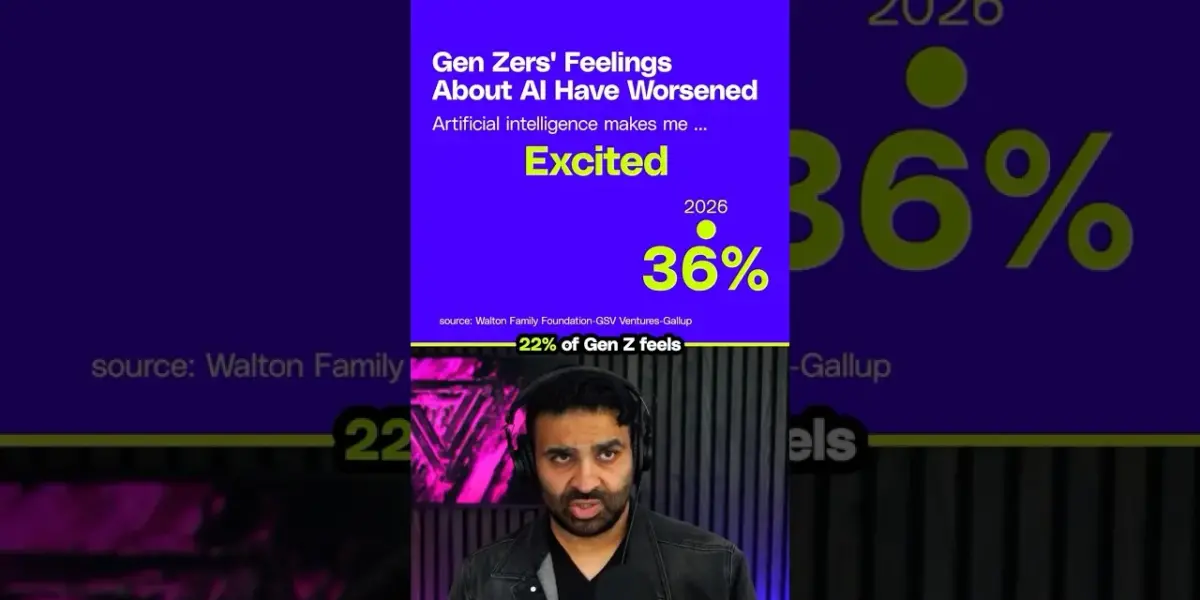
New data reveals a significant drop in excitement and hope among Gen Z regarding artificial intelligence. A recent Gallup poll found that only 22% of Gen Z feels excited about AI, a notable decline from the previous year. Even more concerning, just 18% reported feeling hopeful about AI’s future, also showing a decrease.
The poll also highlighted a surge in negative emotions, with 31% of Gen Z expressing anger towards AI. A substantial 42% reported feeling anxious about the technology’s rapid advancement. These figures paint a concerning picture for the future of AI adoption and public perception, especially among younger demographics.
Experts and the Public See AI Differently
This growing apprehension among Gen Z contrasts sharply with the optimism of AI professionals. A Stanford study indicates a massive disconnect between how experts view AI’s impact on jobs and how the general public perceives it. While 73% of AI experts anticipate a positive influence on their work, only 23% of the general public shares this optimistic outlook.
This wide gap in perception is striking and suggests a communication challenge. Tech companies and policymakers are aware of these concerning trends. The industry knows that public trust and understanding are crucial for widespread AI integration.
Why the Growing Unease?
Several factors likely contribute to Gen Z’s growing skepticism. Concerns about job displacement due to automation are a major worry. As AI tools become more sophisticated, the fear that they will replace human workers in various industries is becoming more pronounced.
Ethical considerations also play a significant role. Issues surrounding data privacy, algorithmic bias, and the potential misuse of AI technology raise valid questions for younger generations. They are growing up in a world where AI is increasingly present, and they are more attuned to its potential downsides.
The speed at which AI is developing adds to the anxiety. Unlike previous technological shifts that unfolded over years or decades, AI’s progress feels compressed. This rapid evolution can be overwhelming, making it difficult for individuals to fully grasp its implications.
The Expert Perspective: A Brighter Outlook?
AI experts, on the other hand, often see the potential for AI to augment human capabilities rather than simply replace them. They envision AI handling repetitive or data-intensive tasks, freeing up humans to focus on more creative, strategic, and interpersonal aspects of their jobs.
This perspective suggests that AI could lead to increased productivity and innovation. Experts believe AI can be a powerful tool for problem-solving, scientific discovery, and improving efficiency across sectors. They see AI as a collaborator, enhancing human potential.
Bridging the Perception Gap
Closing the divide between expert optimism and public apprehension is vital. Transparent communication about AI’s capabilities and limitations is essential. Tech companies need to proactively address public concerns and demonstrate how AI can be developed and used responsibly.
Educational initiatives could help demystify AI for the general public. By providing accessible information about how AI works and its potential benefits, we can foster a more informed and less fearful dialogue. Understanding the technology is the first step towards building trust.
Looking Ahead
The declining positive sentiment among Gen Z is a critical signal that the tech industry must address. Ignoring these concerns risks alienating a future generation of users and innovators. Proactive engagement and ethical development practices will be key to shaping a more positive future for AI.
Moving forward, continued monitoring of public sentiment and targeted efforts to build understanding will be crucial. The conversation about AI’s role in society needs to involve everyone, not just the experts.
Source: How Gen Z feels about AI #Vergecast (YouTube)

Related Articles

Robot Smashes Half Marathon Record, Outpacing Humans
A humanoid robot has dramatically broken the human record for completing a half marathon, finishing over six minutes faster than the previous best. This achievement underscores the rapid advancements in robotics, particularly in China, and signals a new era of human-robot capabilities.


Gen Z Shifts From Degrees to Trades, Boosting Skilled Labor
Generation Z is increasingly turning away from four-year college degrees towards skilled trades and entrepreneurship. Mike Rowe's $10 million scholarship fund highlights this shift, supporting vocational training. This trend offers a path to financial independence with less debt.


AI Race Shifts: Mindset Beats Skills, Says Expert
Experts now say that a positive mindset towards AI is more important than technical skills for future success. Those who see AI as a tool for growth and learning will thrive, while those who fear replacement may fall behind. This perspective emphasizes adaptability and continuous learning.